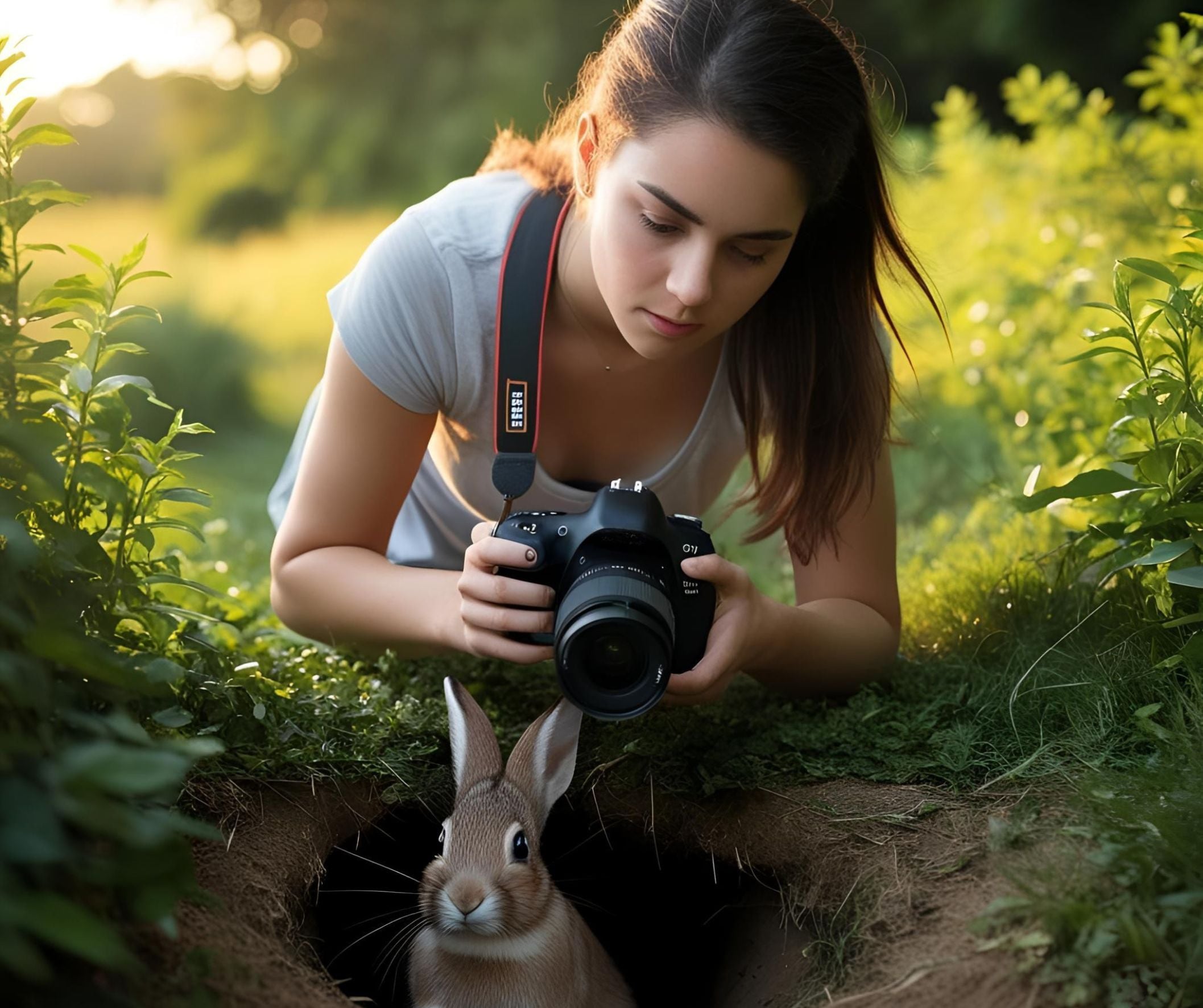
Falling down the filmmaking rabbit hole? Start your camera search with these 5 essential camera features (and 3 you can skip for now).
5 Must-Have Camera Features for New Filmmakers
(Plus 3 You Don’t Need Yet)
Your first film project awaits but rows of camera specifications and YouTube reviews only lead to creative confusion instead of inspiration. Don’t worry—you’re not alone.
Whether you’re a film student or a new content creator, the truth is this: High-quality films can be produced without purchasing the most expensive equipment. Your choice of camera must match your creative process and style. Let’s break down what actually matters.
The 5 Features That Matter Most
1. Manual Controls
Manual controls are essential for anyone who plans on mastering filmmaking. The manual controls for shutter speed, aperture and ISO settings enable complete artistic control over your image. Manual settings teach you filmmaking skills while auto mode does not. Mastering stick shift driving makes you a better driver even if you won’t use it all the time.
2. External Audio Input
Poor audio quality immediately spoils an otherwise great scene. The ability to connect external microphones with your camera enhances both sound quality and recording flexibility.
Bonus: Attaching either a lav or shotgun microphone will immediately elevate your production quality.
3. Interchangeable Lenses
This feature creates an entirely new landscape for creative exploration. The practice of testing various lenses such as wide angle and telephoto allows you to discover how diverse viewpoints influence your visual narrative. Starting with one lens doesn’t limit you because the ability to change lenses later proves to be valuable.
4. Good Low-Light Performance
Shooting indoors or at night? Your camera’s sensor needs to be able to handle low-light conditions. Choose cameras that offer strong ISO performance and minimal noise in dark areas. You gain independence from ideal lighting conditions when obtaining usable photographs.
5. Clean HDMI Out
Planning to livestream? Use of external monitors or recorders requires clean HDMI output from your camera. A camera with clean HDMI out transmits video without overlaying elements such as battery icons or menus. This basic feature enables future expansion into more complex setups.
3 Features You Can Ignore (For Now)
1. 6K or 8K Resolution
You should stick to 1080p or 4K unless you’re creating a professional cinema-grade feature film or intend to perform significant cropping during post-production. Numerous viral videos and entries submitted to film festivals used HD as their shooting standard. The essential elements that turn an image into a cinematic shot are composition and lighting.
2. Built-in Filters and Effects
While using in-camera filters or beauty modes appears entertaining it is generally better to deactivate these features. Shoot clean footage and save your stylistic choices for the editing phase where you have greater control.
3. Autofocus Hype
Autofocus proves beneficial for solo filmmakers but shouldn’t be the sole deciding factor in your camera purchase. Numerous professional filmmakers prefer manual focus because it delivers precise control and intentional results. Your camera becomes usable if it has good focus aids such as peaking.
Your Audience Cares About the Story, Not the Specs
Novices often become obsessed with comparing different gear when they begin their journey. What matters most isn’t your equipment but how you operate with it. Select a camera that allows you to learn its functions while shooting regularly and experimenting with different techniques.
Learn how your equipment functions and master the fundamentals while embracing your mistakes. To improve your skills you should keep recording without stopping.
You’ve got a story to tell. Now go tell it.
Wanna level up your filmmaking? Jump into our free live webinars—no gear stress, just good vibes and pro tips.