Camera movement is essential in filmmaking, adding dynamism and guiding the audience’s attention. This quick, short guide will introduce you to various camera movements, explaining their uses and providing practical tips for effective implementation.
Pan and Tilt
Pan: A horizontal movement of the camera from a fixed position. Think of it like turning your head left or right. Panning is perfect for following a moving subject, revealing a scene, or creating a sense of space. To achieve a smooth pan, use a tripod with a fluid head and practice the movement to ensure it’s steady and appropriately paced.
Tilt: A vertical movement from a fixed position, similar to nodding your head up or down. Tilting is useful for revealing vertical elements, like a tall building, or following a subject’s vertical movement. For smooth tilts, use a tripod and maintain a consistent speed to avoid jarring motions.
Dolly and Truck
Dolly: Involves moving the entire camera setup along a track, typically forward or backward. A dolly shot can draw the viewer closer to a subject, creating intimacy, or pull back to reveal more of the scene, adding depth. Use a dolly track or a stable surface to ensure smooth movement. Plan your shot to keep the focus on your subject and avoid obstacles.
Truck: A lateral movement of the camera, moving it from side to side. Trucking is great for following a subject moving horizontally or revealing different elements of a scene. Keep the movement smooth and at a constant speed, practicing your timing to maintain focus and framing.
Pedestal and Crane
Pedestal: Moving the camera vertically while keeping the horizontal angle fixed. This shot can change the viewer’s perspective, such as moving from ground level to eye level, or vice versa. Use a tripod with a pedestal for smooth vertical movement and ensure consistent framing and focus.
Crane (Jib): Using a crane or jib arm to move the camera smoothly through space, often starting high and moving low or vice versa. Crane shots can create sweeping, dramatic movements that reveal a scene or follow a subject through large spaces. These are excellent for establishing shots or adding grandeur. Operating a crane requires practice and planning to ensure fluidity and match the scene’s pacing.
Handheld
Handheld shots involve holding the camera and moving with it, resulting in more natural, often shaky footage. Handheld shots can add a sense of realism, urgency, or intimacy, often used in action scenes, documentaries, or subjective point-of-view shots. Control the amount of shake to avoid disorienting your audience. A stabilizer or gimbal can help achieve smoother handheld footage.
Practical Tips for Effective Camera Movement
- Plan Your Shots: Storyboarding your scenes helps decide which movements best tell your story. Consider each movement’s emotional impact and narrative function.
- Practice: Camera movements require skill and practice. Rehearse your movements to achieve smooth and precise shots.
- Use Movement to Enhance Emotion: Different movements evoke different emotions. A slow dolly in can create intimacy, while a fast pan can add excitement.
- Motivation: Ensure your camera movements are motivated by the story. Avoid unnecessary movements that don’t contribute to the narrative.
- Combine Movements: Combining different movements can create more complex and engaging shots. For example, a dolly shot combined with a tilt can reveal new elements in a scene.
By practicing these camera movements, you can add depth and dynamism to your filmmaking, making your stories more engaging and visually compelling. Experiment with these techniques and see how they can transform your work. Happy filming!
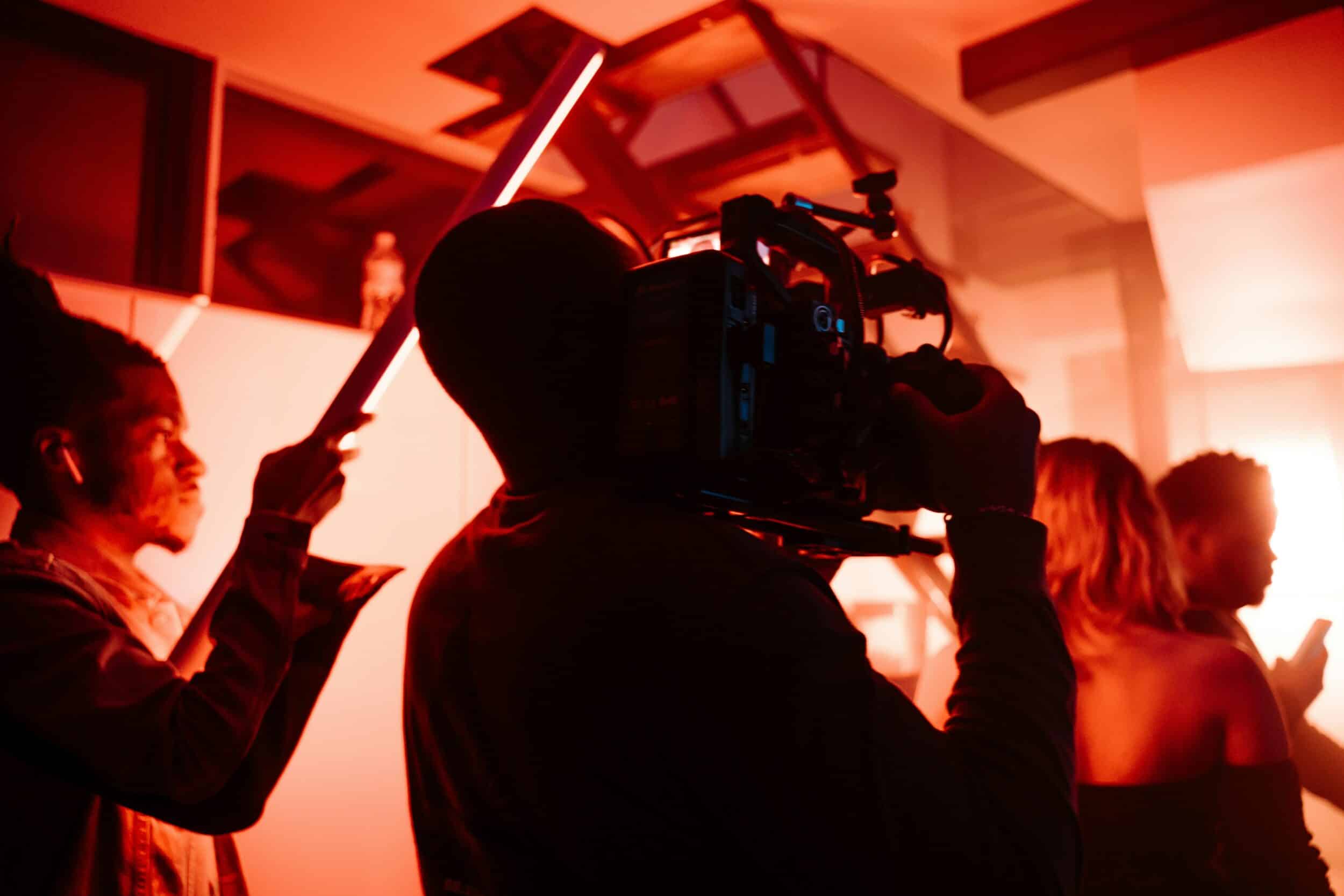
(Above photo by Osarugue Igbinoba.)