
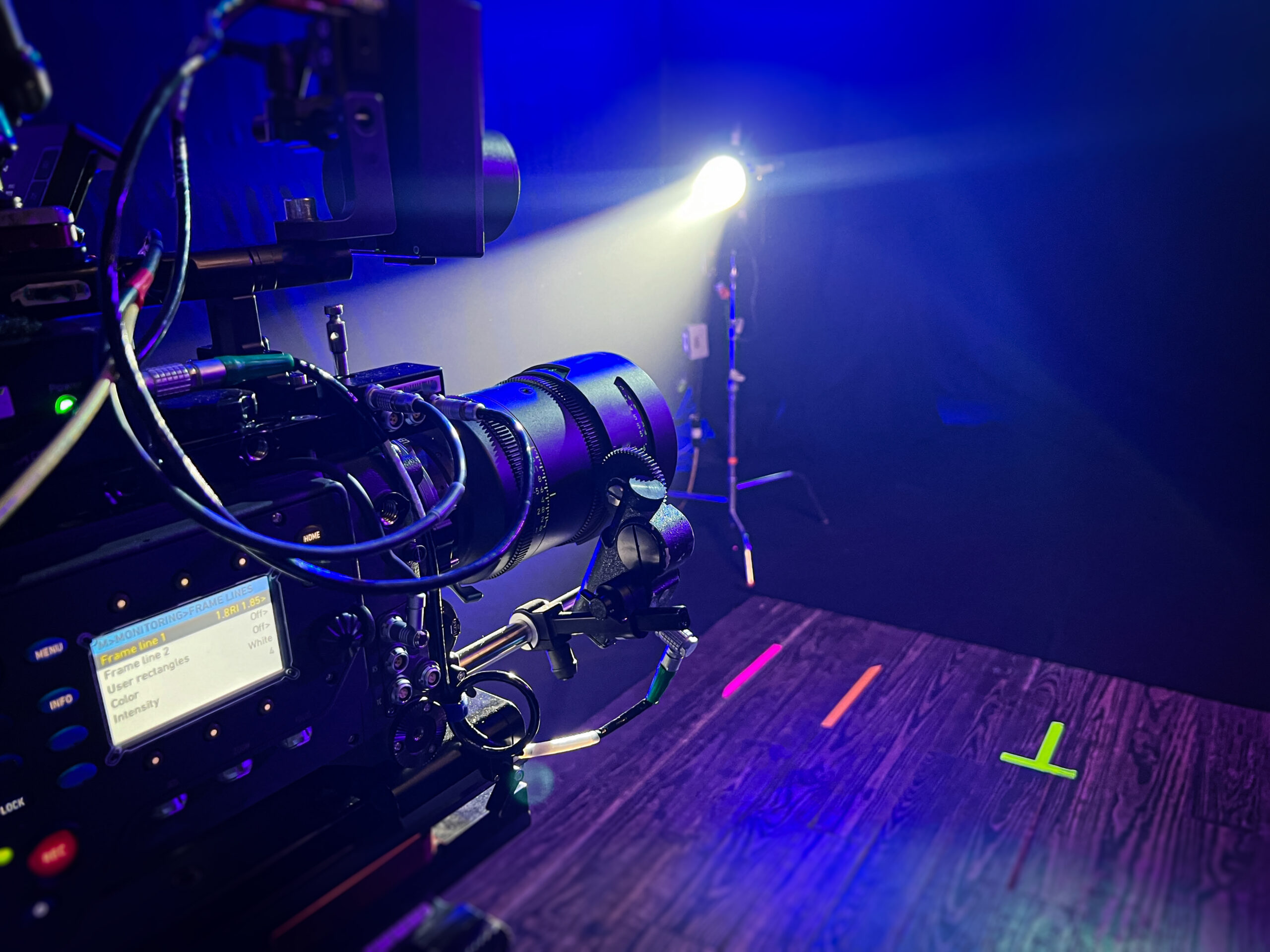
Unveiling the Future: The Latest Trends in Film Production Technology
Forget everything you know about film production technology. The tools and techniques shaping today’s sets move faster than ever, leaving many filmmakers scrambling to catch up. If you want your projects to stand out, you need to know the latest trends driving filmmaking advancements and cinematography innovations right now. Let’s break down what’s changing and how you can put these film industry updates to work for your next shoot. For more insights, visit this link.
Cutting-Edge Camera Tech
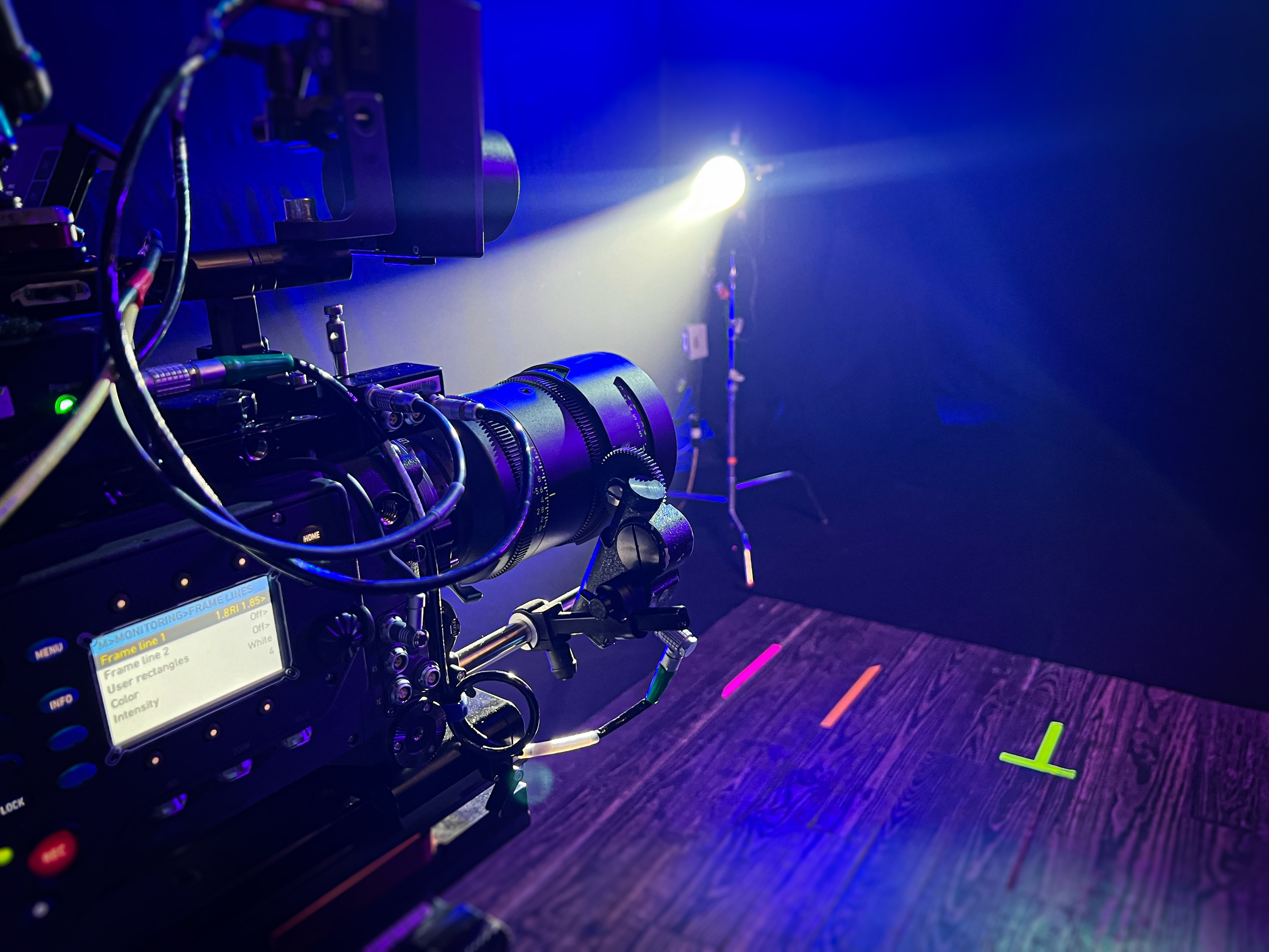
The camera world is buzzing with new possibilities. Filmmakers are eager to learn about the latest tools that can elevate their storytelling. Here’s what you need to know.
High-Resolution Sensors
Imagine capturing every detail with crystal clarity. That’s what high-resolution sensors bring to the table. These sensors allow you to shoot in breathtaking detail, making your visuals pop like never before. With resolutions reaching 8K and beyond, you can crop, zoom, and reframe without losing quality. This means more flexibility in post-production and a stunning final product.
Consider this: a filmmaker recently used an 8K camera to capture a sweeping landscape. The result? Viewers could see each leaf on a tree, turning a simple scene into a visual masterpiece. 8K resolution is no longer a luxury; it’s becoming a standard in the industry. By investing in these sensors, you ensure your films look fresh and professional.
Advanced Stabilization Systems
Shaky footage can distract viewers, pulling them out of the story. Advanced stabilization systems solve this problem. These tools keep your shots smooth and steady, even in the most dynamic scenes.
Picture a running chase scene. With traditional rigs, you’d expect some wobble. But with modern stabilizers, the camera glides effortlessly, creating an immersive experience. Gimbals and drones equipped with stabilization tech are game-changers. They allow you to capture fluid motion without compromise.
Why does this matter? Because viewers demand quality. They want to be transported into the story, and smooth visuals make that possible. So, if you want your projects to shine, consider upgrading to these advanced systems.
Digital Tools and Software
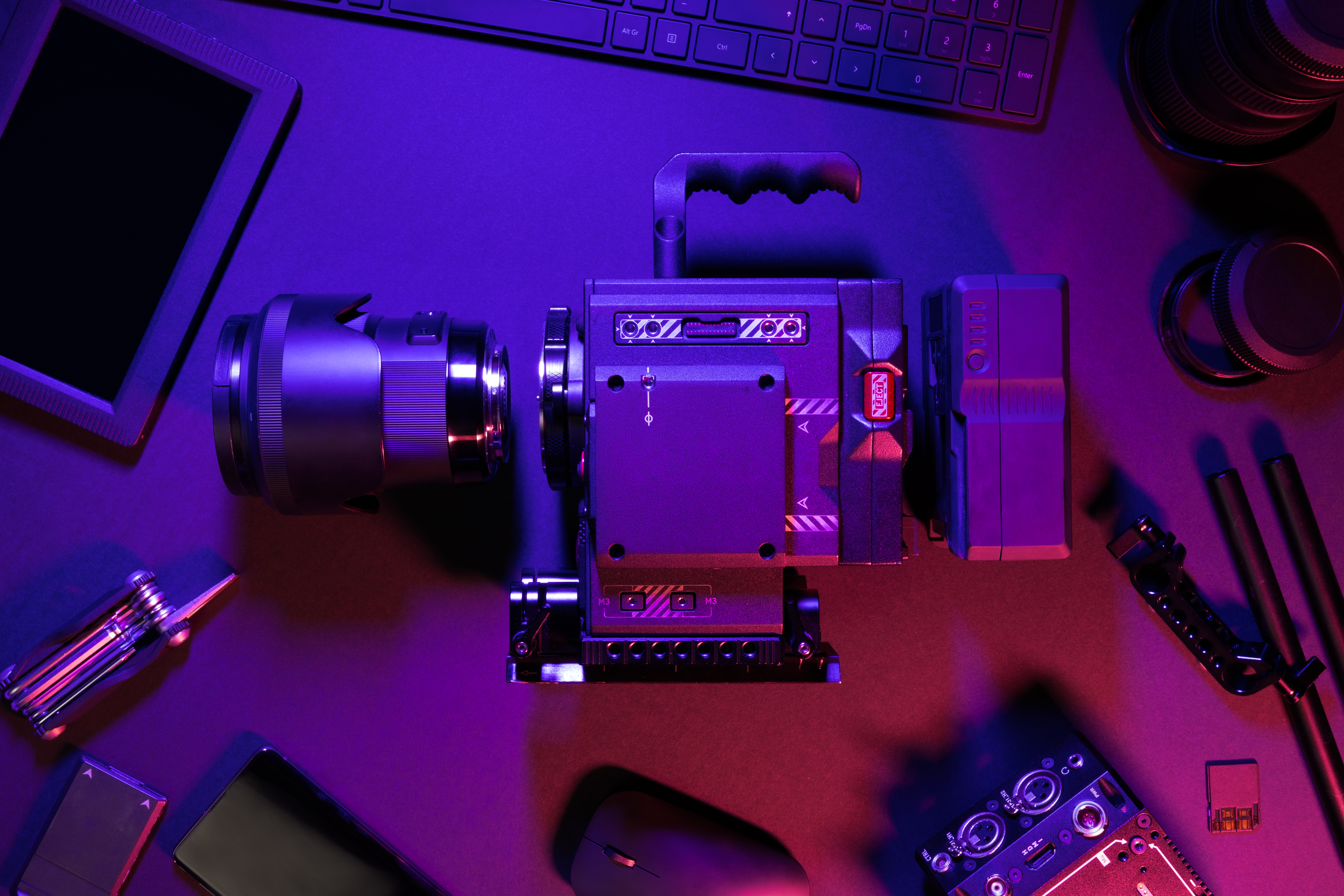
After mastering camera tech, it’s time to focus on digital tools that transform your footage. These innovations are reshaping the way filmmakers work today.
Virtual Production Techniques
Virtual production is reshaping how films are made. Imagine creating entire worlds without leaving your studio. With this technique, you can design digital sets and characters, blending them seamlessly with live-action footage. This approach reduces costs and enhances creativity.
A recent blockbuster used virtual production to bring a fantastical world to life. The filmmakers crafted intricate digital landscapes, allowing actors to interact with environments in real-time. This method not only saved time but also led to more authentic performances. By embracing virtual production, you open up a realm of possibilities, making even the wildest ideas achievable.
Want to dive deeper into this trend? Check out this article for more insights.
AI in Post-Production
AI is revolutionizing post-production. Imagine having a tool that analyzes your footage, suggesting edits and enhancements. That’s the power of AI in film. It speeds up editing, ensuring your projects stay on schedule.
Recently, a filmmaker used AI to streamline color correction. The software identified inconsistencies and made automatic adjustments, saving hours of manual work. With AI, you can focus on creative decisions, letting technology handle the tedious tasks.
Most people think editing is a laborious process, but AI is changing that narrative. By incorporating AI tools, you enhance efficiency and creativity, ensuring your films look their best.
Sustainable Filmmaking Practices
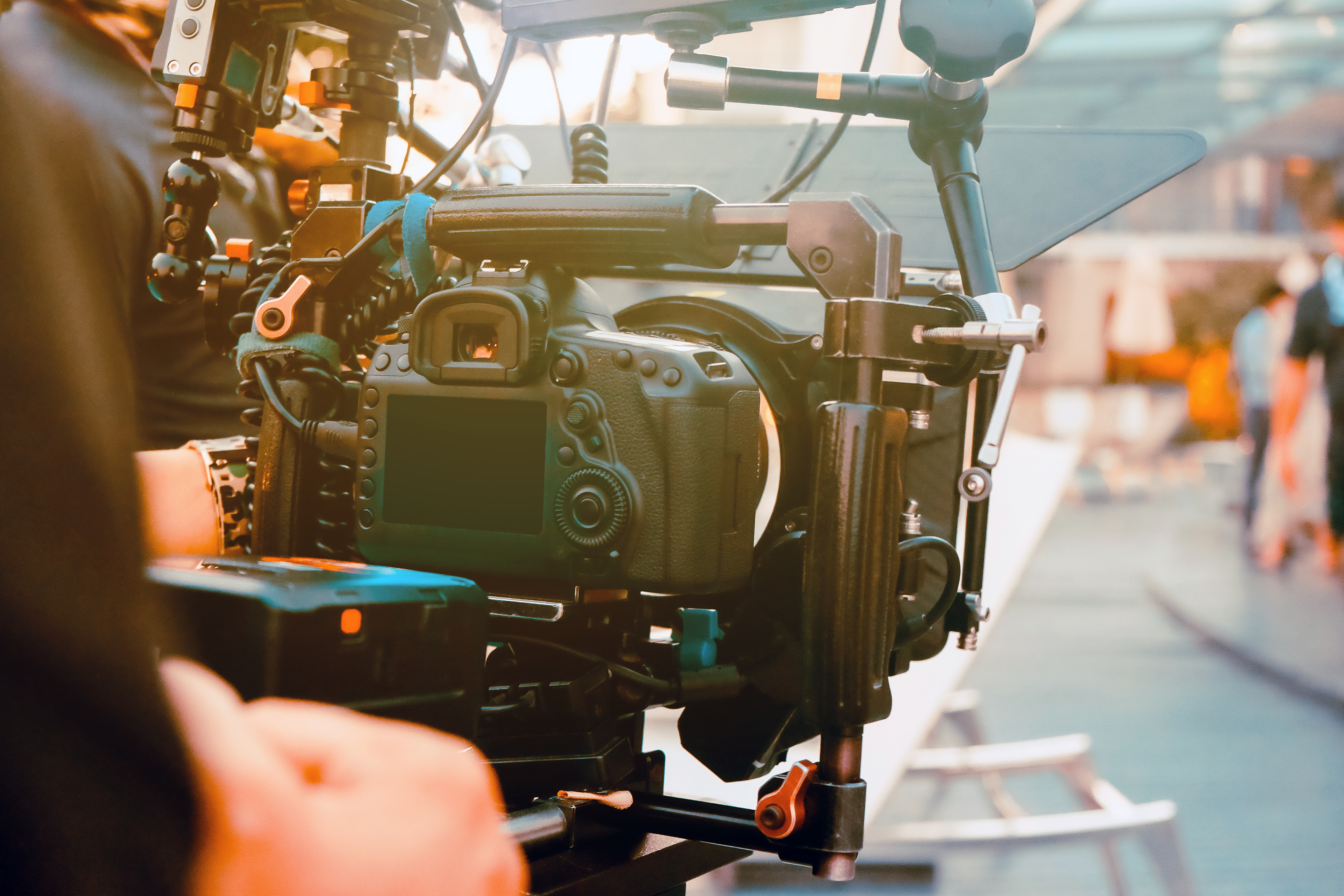
Innovation in filmmaking isn’t just about tech; it’s about responsibility. Sustainable practices are gaining traction, helping filmmakers protect the planet.
Eco-Friendly Equipment
More filmmakers are turning to eco-friendly gear. These tools reduce environmental impact without compromising quality. Solar-powered cameras and LED lights are just the beginning.
A director recently swapped traditional lights for LED panels. The result? A significant reduction in energy use and costs. Plus, the LED lights offered precise color control, enhancing the visual quality of the film. By choosing sustainable equipment, you contribute to a greener industry and inspire others to follow suit.
For more on sustainable practices, explore this resource.
Energy-Efficient Studios 🎥
Studios are also going green. Energy-efficient buildings are designed to reduce waste and conserve resources. From solar panels to eco-friendly materials, these studios set a new standard for production spaces.
Consider a studio that recently installed solar panels. They cut electricity costs by 40% while maintaining a comfortable work environment. This shift not only benefits the planet but also reduces overheads, making productions more affordable.
The longer you wait to adopt these practices, the more you’ll miss out on savings and environmental benefits. Sustainable filmmaking is the future, and by embracing it, you lead the charge toward a better industry.
Incorporating these trends into your filmmaking process will set you apart as a forward-thinking creator. As technology and sustainability evolve, staying informed is key to maintaining your edge in this vibrant industry.