If you’re just starting out in filmmaking, one of the most important investments you’ll make is in your camera equipment. But with so many different types of cameras and accessories available, it can be overwhelming to know where to start. Here’s a beginner’s guide to camera equipment to help you get started:
1. Camera Types: There are two main types of cameras used in filmmaking: DSLRs and Cinema cameras. DSLRs are typically more affordable and versatile, while Cinema cameras are more specialized and offer higher image quality. Both types have their pros and cons, so it’s important to research and consider which type is best for your needs.
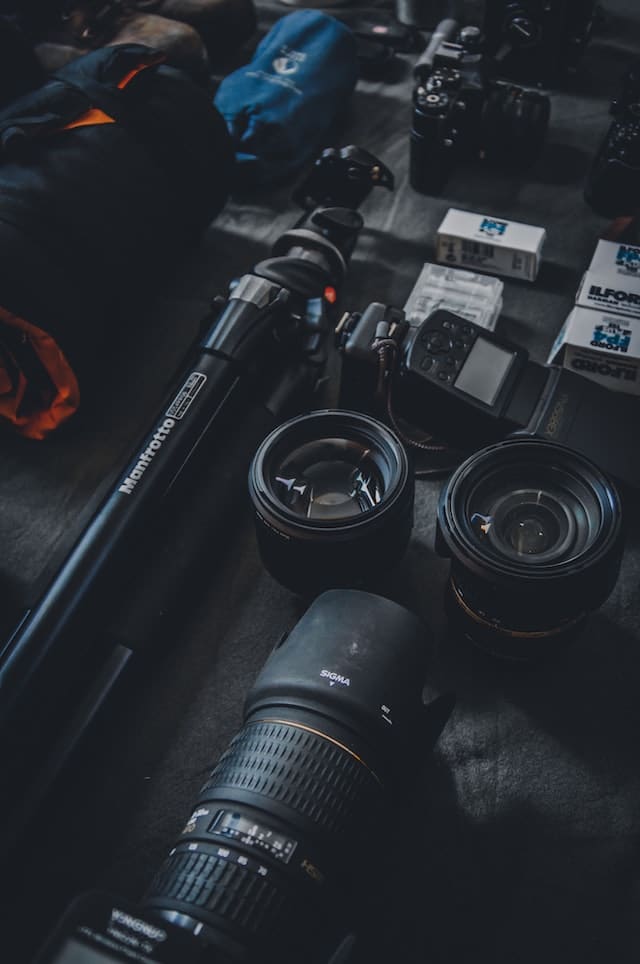
2. Lenses: Lenses are crucial for creating different visual styles and effects in your films. There are a variety of lenses available, from wide-angle to telephoto, each with its own strengths and weaknesses. Start with a versatile zoom lens and gradually build your collection as your skills and budget allow.
3. Tripod: A sturdy tripod is essential for stabilizing your camera and capturing smooth, steady shots. Look for one with adjustable legs and a head that can rotate and tilt.
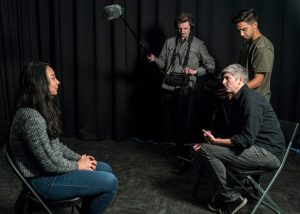
4. Microphone: Good sound is just as important as good visuals in filmmaking, so it’s important to invest in a quality microphone. A shotgun microphone is a versatile option that can be used for a variety of purposes, such as capturing dialogue and ambient sound.
5. Lights: Lighting is crucial for creating mood and highlighting important elements in your scene. Start with a basic three-point lighting setup, which includes a key light, a fill light, and a backlight.
6. External Monitor: An external monitor can help you see your footage more clearly and make adjustments to your framing and focus. Look for one with a high resolution and a color-accurate display.
7. SD Card: You’ll need an SD card to store your footage, so make sure you have one with a high enough capacity and fast enough write speed to handle the resolution and frame rate you plan to shoot in.
8. Camera Bag: Finally, invest in a good camera bag to keep your equipment organized and protected. Look for one with padded compartments and comfortable straps.
By starting with these essential pieces of equipment, you’ll be well on your way to creating high-quality films that showcase your vision and creativity. As you gain more experience and budget, you can gradually add to your equipment arsenal and explore new techniques and styles. Happy shooting!