
Crafting a Realistic Budget for Your Student Film: Quick Tips and Pointers
Starting a film project as a student filmmaker, whether it’s a short film, a documentary, or a feature-length movie, requires careful planning, especially when it comes to budgeting. Creating a realistic budget is essential to ensure that you have enough resources to bring your vision to life without overspending. Here are some tips and pointers to help you craft a budget that aligns with your creative vision and financial constraints.
1. Define Your Project Scope
Start by defining the scope of your student film project. Consider the genre, length, and complexity of your script. A simple drama set in a single location will have vastly different budgetary requirements compared to a sci-fi epic with elaborate special effects and multiple shooting locations.
2. Break Down Your Script
Break down your script into individual elements such as locations, props, costumes, and special effects. Create a detailed list of everything you will need to bring your script to life. This breakdown will serve as the foundation for your budget.
3. Research Costs
Research the costs associated with each element of your film. Reach out to vendors, rental houses, and service providers to get accurate quotes. Consider factors such as location fees, equipment rental, crew salaries, and post-production expenses.
4. Allocate Funds Wisely
Allocate your budget based on your priorities. Determine which elements of your film are non-negotiable and which areas can be scaled back if necessary. Allocate a contingency fund to cover unexpected expenses that may arise during production.
5. Consider Crew and Cast
Factor in the costs of hiring a crew and cast. Determine the number of crew members you will need based on the complexity of your project. Consider offering deferred payments or profit participation to attract talented individuals who are willing to work for a reduced rate upfront.
6. Location Costs
Location fees can vary widely depending on the type of location and its popularity. Factor in costs such as permits, insurance, and any additional fees required to secure your desired locations.
7. Equipment Rental
Renting equipment can be a significant expense. Research rental companies in your area and compare prices. Consider renting equipment packages to save money. Don’t forget to budget for insurance and any additional accessories or supplies you may need.
8. Post-Production
Post-production costs can include editing, sound design, visual effects, and color grading. Factor in the cost of software licenses, studio rental, and any additional services required to complete your film.
9. Marketing and Distribution
Don’t forget to budget for marketing and distribution expenses. Consider the cost of creating promotional materials, entering film festivals, and securing distribution deals. Factor in costs such as travel and accommodation for film festival attendance.
10. Contingency Fund
It’s essential to have a contingency fund to cover unexpected expenses that may arise during production. Aim to allocate around 10-15% of your total budget for contingencies.
Creating a realistic budget for your student film requires careful planning and attention to detail. By defining your project scope, researching costs, and allocating funds wisely, you can ensure that you have enough resources to bring your creative vision to life. Remember to be flexible and willing to make adjustments as needed to stay within your budget constraints. With careful planning and execution, you can create a film that is both creatively fulfilling and financially sustainable.
Good luck! Break the Matrix!
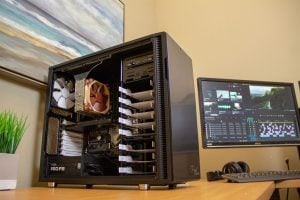
Above photo by Brad Neathery @bradneathery