By Bryant Falk
We all assume more microphones on a project can only mean better sound. Well, that is true and not true at the same time. Let’s take a two-person interview to be used for, well, a movie, TV show, or Youtube channel. We place a lav mic on each of the talents and because our shoot is an indoor fixed location – they are sitting in two chairs Dick Cavett style, (Ouch, I just really dated myself), we can setup another two shotgun mics to cover them as well. Once recorded, we play back the track to only find there is a weird whooshing sound or, “Thinning” effect. I mean, we put four mics on the shoot so the audio should be like totally full and amazing, right? Welcome to comb filtering! I love the name of this phenomenon, don’t know why, but it always reminds me of the opening animation in that now old movie, “Grease”, where the cartoon dude combs his hair in the mirror.
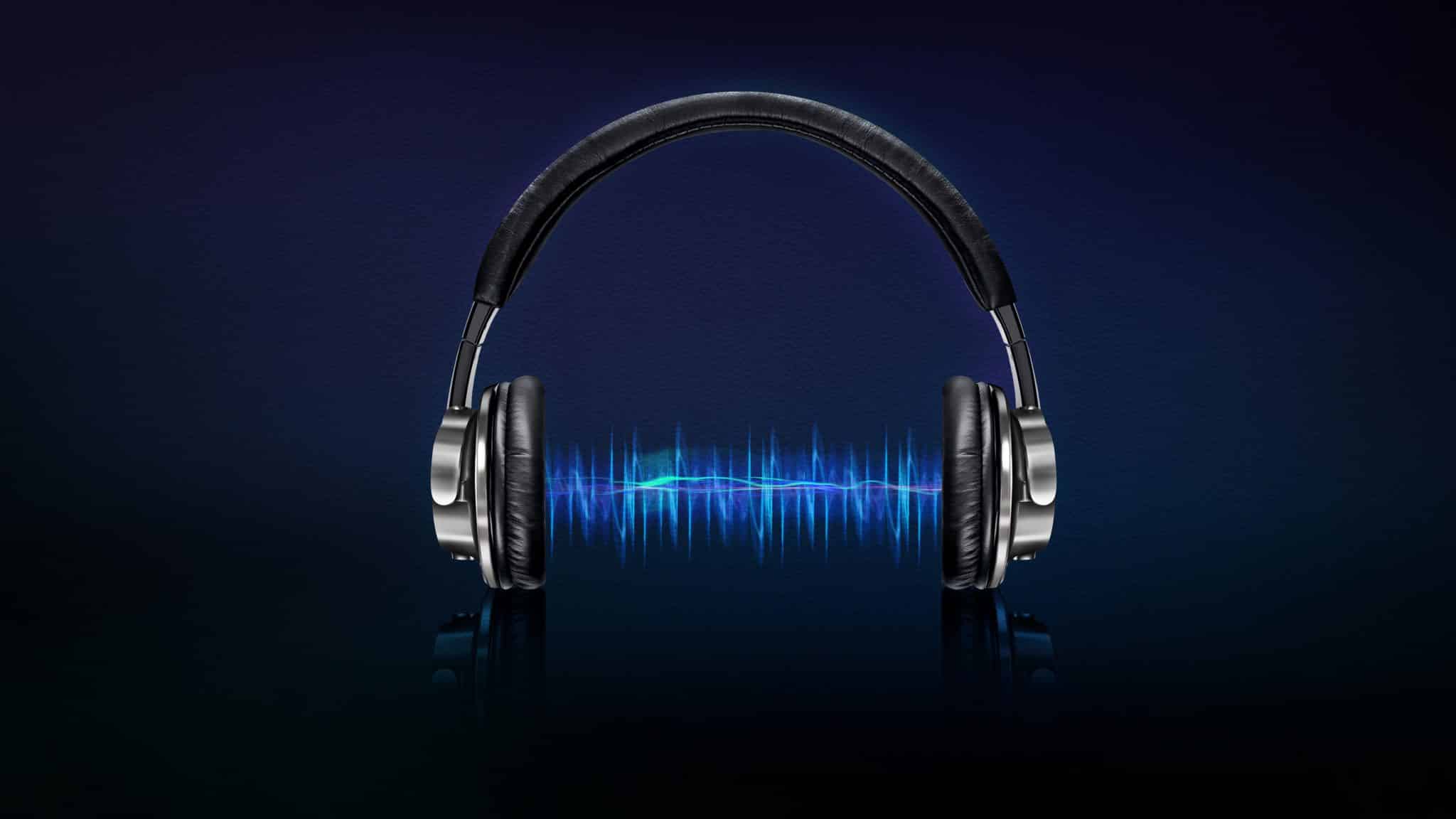
What is comb filtering, you say? In a nutshell, and let’s not get techie: think of comb filtering like waves on an ocean. Every mic, when each records audio, is creating its own wave of that audio. These waves are recording onto their respective tracks at slightly different times. So back to our ocean waves. If we have four waves moving together in perfect sync towards the shore, they will support and add to each other making a much bigger wave. The opposite is also true. If they are not in sync, imagine the low part of the wave hitting the high part of another wave. It will take power away from it. Audio is very similar. Our microphones are all different distances from each other and the two sources of audio. When we pull all these tracks into our NLE, (Non-Linear Editor like Reaper, Pro-Tools and million others), you will see the audio waves are not quite all happening at the same time. This brings us to Tip #1! Line up those waves! Okay, nothing crazy, we are talking milliseconds here, but this will be enough to reduce that Comb Filtering issue. Each NLE will have a way to slide the audio. Pick one as the master, like the person being interviewed, and line up the other audio to that one. Okay, there are like a million other things I want to talk about to help improve this, but that could be for another magazine issue.
But, hey, you said there were two tips at the top of this article, what is the second one? Okay, so while you are in your NLE, you should play with trying to mute certain mics and see how it effects your mix. Want a really personal moment? Drop everything but the person who is talking. Looking to be more inclusive of the space… you got it, start sliding in the shotgun mics! You actually have some creative choices now to affect the mood of a moment by doing this.
So, all of us here at Abacus Entertainment want to say,
Keep on shooting and keep on creating!