The murmuring in the theater stopped. Then the audience exploded in applause.
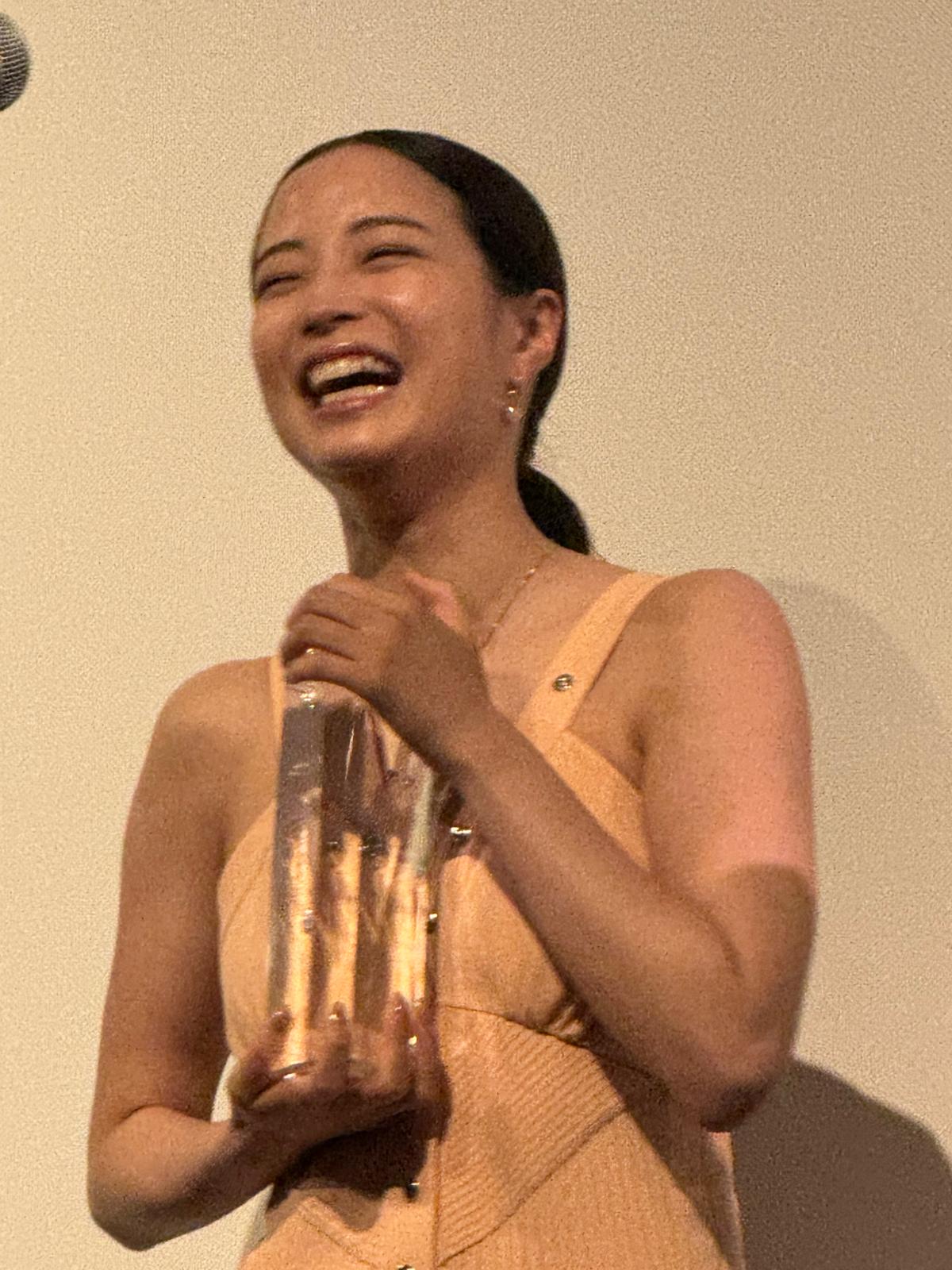
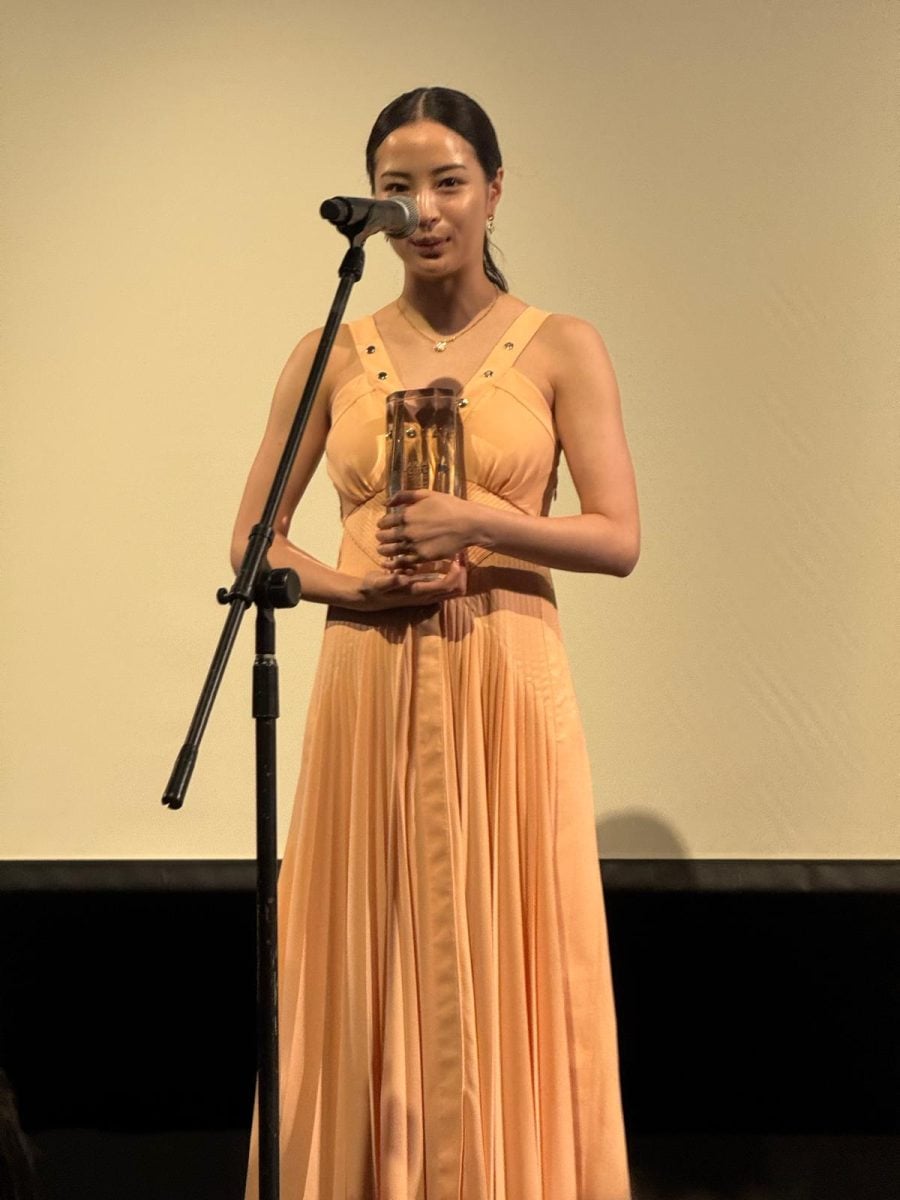
We had just watched 広瀬すず Suzu Hirose deliver an awe-inspiring performance in A Pale View of Hills at this year’s JAPAN CUTS Festival of New Japanese Film. As she stood on stage at Japan Society to receive the CUT ABOVE Award, she didn’t open with a polished speech. Instead, she made everyone laugh with a disarmingly honest comment about the surprisingly powerful toilets in New York City. The room burst into laughter. After answering very cerebral questions articulately about the film, with real warmth, she said she hoped to make it back to New York City again someday.
That mix of world-class talent and completely human charm is exactly why the moment felt so special — and why it holds real lessons for anyone serious about making films.
A Pale View of Hills (directed by Kei Ishikawa) is the Centerpiece of JAPAN CUTS 2026 and the New York Premiere of this delicate Japanese-British-Polish adaptation of Kazuo Ishiguro’s debut novel. Hirose plays the younger version of Etsuko across a story that moves between postwar Nagasaki and later life in England. (Yoh Yoshida portrays the same woman decades later.) The performance is quiet, precise, and emotionally devastating in the best way. It doesn’t explain everything. It trusts the audience to feel the weight of memory, trauma, and the stories we tell ourselves to survive.

For student filmmakers and emerging directors, nights like this are gold. Here’s what you can take away:
Restraint is powerful. Hirose doesn’t overplay emotion. She lets small shifts in posture, a glance, or silence do the heavy lifting. In a world full of big acting, this kind of control is a masterclass in serving the story.
Dual timelines and dual actors can feel seamless. Watching two performers embody the same character at different ages requires incredible collaboration between actors, director, and editor. Study how the film makes it feel like one continuous inner life.
Literary ambiguity translates beautifully to screen. Ishiguro’s novel is famous for its unreliable narrator and blurred lines between memory and invention. The film respects that complexity instead of flattening it. That’s a brave choice — and one that paid off with a deeply moved audience.
Live screenings still matter. The electricity in the room after the credits rolled proved something important: when the work is honest, people feel it together. Festivals aren’t just about premieres and photos — they’re about that shared gasp, that collective laughter, and that standing ovation.
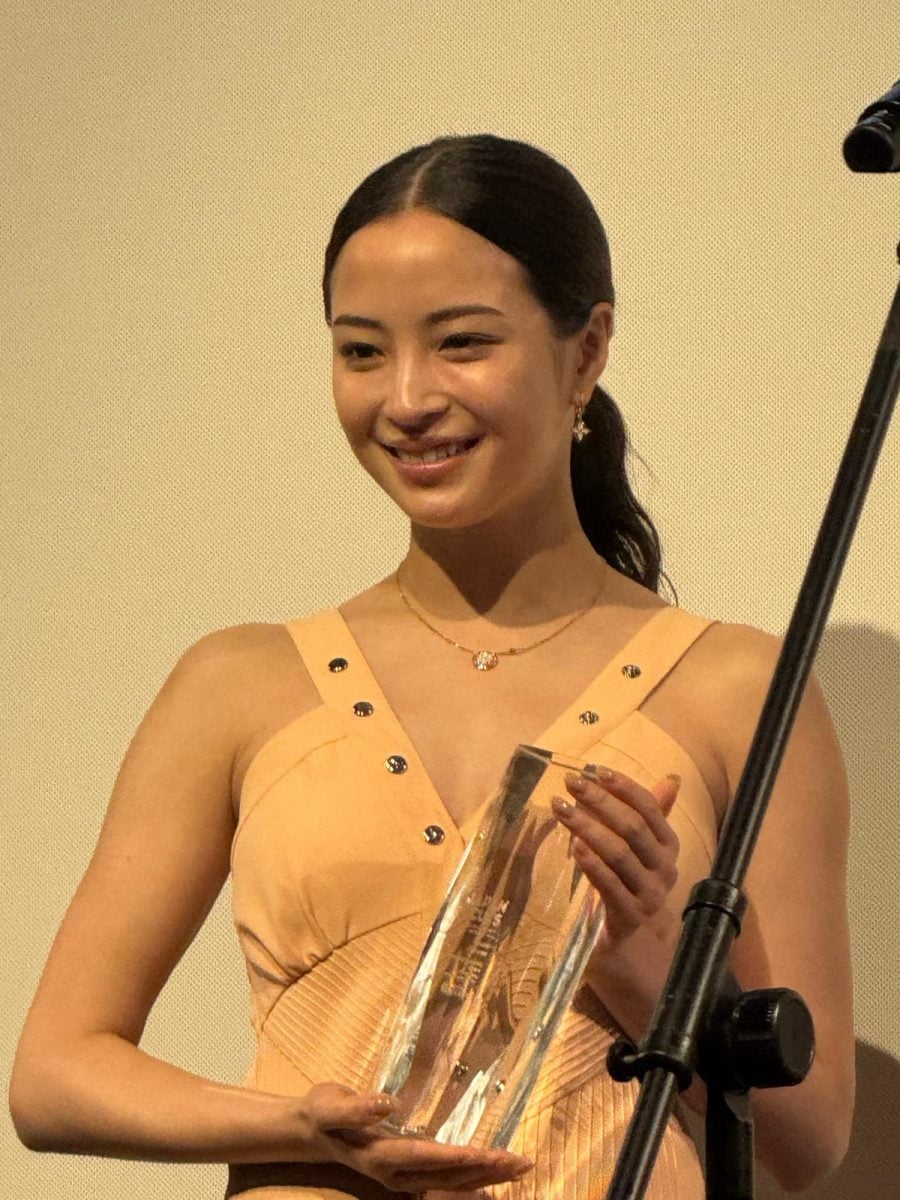
Hirose’s rise has been remarkable. She broke out in Hirokazu Kore-eda’s Our Little Sister and has continued choosing roles that demand depth over flash. But what made this particular night memorable wasn’t just the award or the performance. It was the way she stood there — celebrated, applauded, and still completely herself — cracking a joke about New York plumbing before saying she hoped to come back.
That’s the kind of artist worth studying.
Whether you’re cutting your first short film, directing your thesis project, or just trying to tell more honest stories, moments like this one at JAPAN CUTS remind us why we do it. Great craft moves people. Authenticity makes them care. And community keeps us going.
If you love films that make you think and feel, if you’re building your own projects and want real feedback, or if you simply want to stay inspired by what’s happening in world cinema right now — come join us.
Head over to studentfilmmakers.com and become part of the community today. Share your work, watch and discuss films like this one, connect with other filmmakers, and keep growing together. We’re all learning, one screening, one cut, and one standing ovation at a time.
(Photos by Kim Welch: 広瀬すず Suzu Hirose on stage at Japan Society during the JAPAN CUTS 2026 Centerpiece screening and CUT ABOVE Award presentation — July 13, 2026. The kind of night that stays with you.)