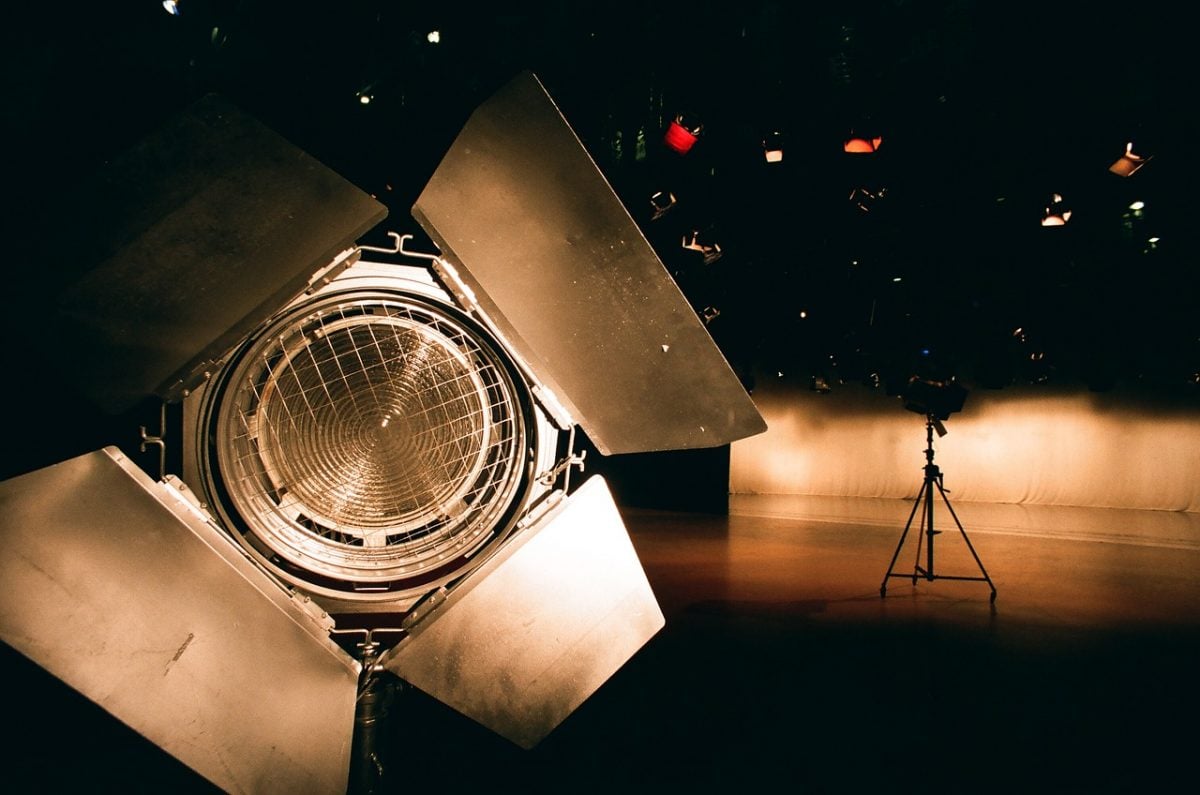
What Does a Production Designer Do for Film Production? | A complex job description revealed.

by Tushar Unadkat   It’s easy to identify the job of a cinematographer or a fashion designer, as the titles are obvious. A cinematographer may be a man with the camera and the fashion designer would take care of the fashion commonly in the clothing industry. However, the title of a Production Designer has often … Continue reading “What Does a Production Designer Do for Film Production? | A complex job description revealed.”

Traveling with Your Video Gear: Knowing When to Take It, Leave It… or Carry It on the Plane

by Carl Filoreto   Video production and air travel have had an uneasy coexistence for a long time. Excess baggage charges, varying weight restrictions, and the most penal indignity – delayed or even lost baggage – create high anxiety for any video crew. Many times I’ve anxiously waited at the baggage carousel wondering if those … Continue reading “Traveling with Your Video Gear: Knowing When to Take It, Leave It… or Carry It on the Plane”

On the Set, In the Studio Film Biz Lingo: A Short Guide to Some of the Most Frequently Questioned Terms

by Chris Cavallari   Some of the first episodes of my former podcast, The Martini Shot: Moviemaking for Beginners, dealt with the terminology you are more than likely to encounter on a movie set. This four episode series was also the most downloaded set of episodes in the yearlong run of my show (if you … Continue reading “On the Set, In the Studio Film Biz Lingo: A Short Guide to Some of the Most Frequently Questioned Terms”

7 Guidelines for Getting the Best Performances Possible

by Vanessa Daniels   The relationship between an actor and director is important to the success of a film. Both roles carry the same objective; to get the best performances possible. How to most effectively and efficiently achieve it will greatly depend upon the director’s ability to coach the actor. (1) Speak the Actor’s Language. … Continue reading “7 Guidelines for Getting the Best Performances Possible”
What Are 3 Ways Networks Acquire Programming? | Here’s a Fast Look

by Stacey Parks   (1.) They acquire a finished program. This is usually the least expensive option for a network, and where you, the producer stand to receive the lowest acquisition price (the exception being if you’re a Sundance Film Festival winner or something like that). Networks acquire their programs at both film festivals and … Continue reading “What Are 3 Ways Networks Acquire Programming? | Here’s a Fast Look”

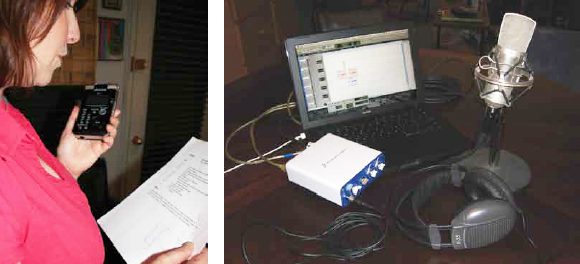
Capture the Great Dialogue Moments: Keeping Quiet on the Set

By Bryant Falk In almost every movie you watch there is a club, party, or large group scene. Getting the audio you need from such a shoot can be a daunting task. Let’s take a look at a few techniques that can help you capture that great dialogue moment and other audio that will be … Continue reading “Capture the Great Dialogue Moments: Keeping Quiet on the Set”
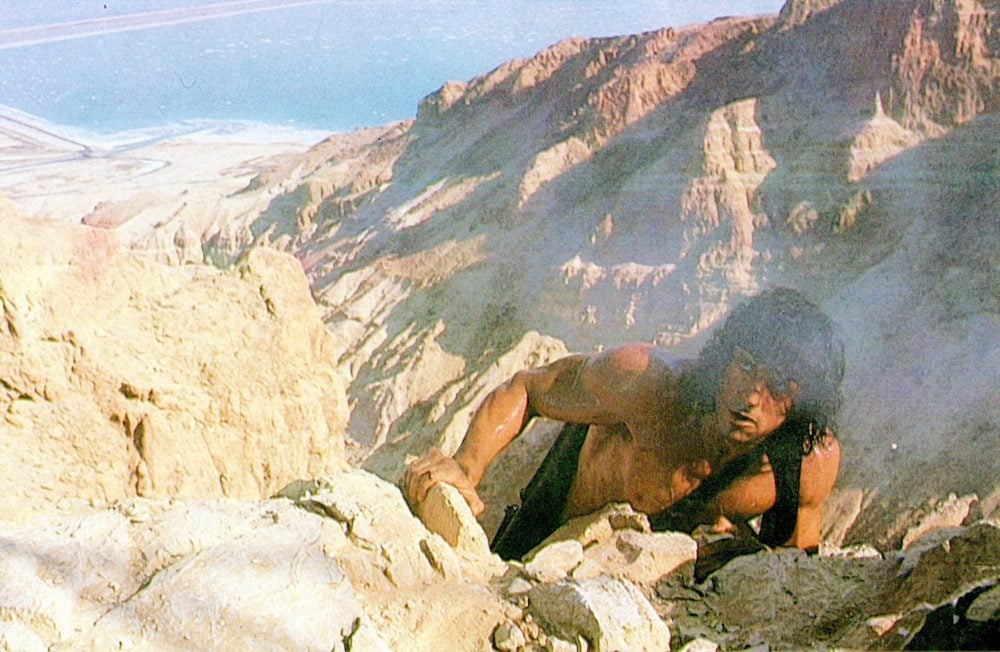
Dressing the Hordes in a Moment’s Notice: Working On the Set of “A Man Called Horse II” and “Rambo III”

by Richard La Motte I used to work with a friend and fellow costumer named Robert Labansat. Bob taught me a lot of things. His first approach to anything was: The solution to any question has to exist – the only real question is – do you have the experience and imagination to uncover the … Continue reading “Dressing the Hordes in a Moment’s Notice: Working On the Set of “A Man Called Horse II” and “Rambo III””
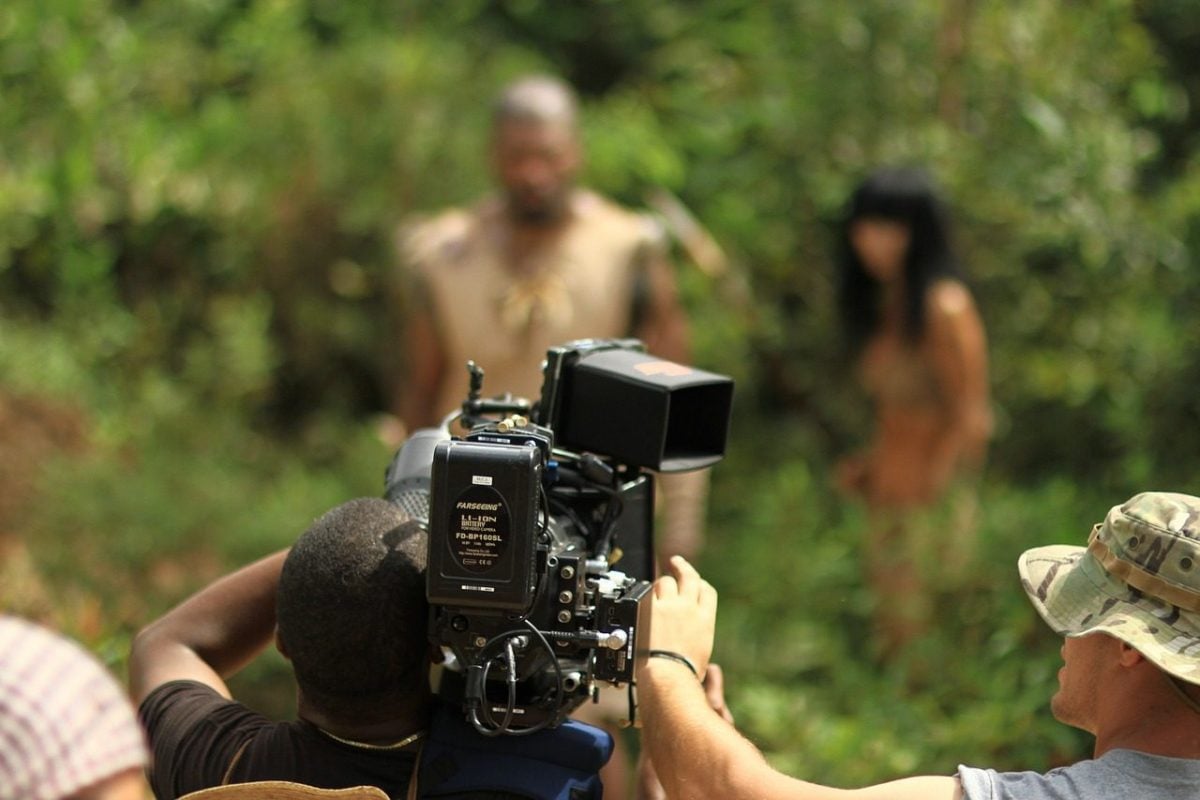
Get that Peak Performance while the Camera is Actually Rolling

by Steve Carlson New filmmakers spend untold hours learning about cameras, lenses, lighting and rehearsing slow, steady, pans and zooms. In some cases, very little time or attention is given to one of the main contributors of a good film, namely, the actors. At first glance, it could be seen as a no-problem area. The … Continue reading “Get that Peak Performance while the Camera is Actually Rolling”
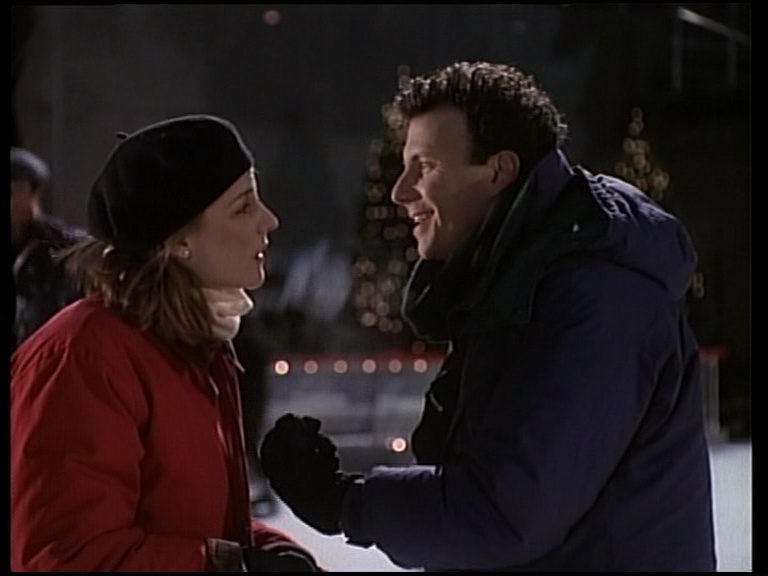
Technique and Precautions for Laying Dolly Track

Filming a Dolly Shot for a Scene of  the Television Series, “Mad About You”   by Jack Anderson Laying track is a skill, and I recommend that you find a professional grip and have him show you. If that’s not possible, the idea is to have the track all at one level, left to right… …

Membership Required

You must be a member to access this content.

View Membership Levels

Already a member? Log in here

7 Mistakes You Can Avoid While Working On Staff: A Television Writer’s Tale of ‘The Staff from Hell’

by Pamela Douglas Recently, a student on the verge of graduating asked me what was the single most important lesson I’d learned in writing for television. Her question started me thinking. Of course, I’d acquired writing skills, some insights into what works on screen, and a few experiences negotiating the system. But that’s not what … Continue reading “7 Mistakes You Can Avoid While Working On Staff: A Television Writer’s Tale of ‘The Staff from Hell’”

Create More Balance and Clarity in Your Audio Mix: The QS on EQ

by Bryant Falk As I journey through this digital age of video and film production, I am finding trends that are leaving people with less than ideal audio for their projects. Either through budget constraints or timing limitations, a full dedicated audio mix is just not possible. As an editor, you’ve been hesitant to open … Continue reading “Create More Balance and Clarity in Your Audio Mix: The QS on EQ”

Documentary Research: In Search of the Truth

by David Kaminski   Never Take Something As Simple As a Person’s Name for Granted. Recently, I discovered that my documentary subject was not only named after an uncle, but that he also carried the middle name of his grandfather. Surprise? Even his living relatives did not know it was true. A passport and some … Continue reading “Documentary Research: In Search of the Truth”