I. Introduction
Every iconic movie you’ve ever watched started as a mere idea in someone’s mind. If you’re reading this, chances are, you too have a vision you’re itching to bring to the big screen. But where do you begin? Let this guide illuminate your path, every step of the way.
II. Understanding Your Motivation
Your film’s heartbeat is its core motivation.
- Personal Expression
Think of your favorite movies. What makes them memorable? Often, it’s the personal touch of the filmmaker. Your unique experiences, perspectives, and emotions can shape a narrative that’s both genuine and captivating. - Telling a Story
Movies are visual tales. Whether it’s a whirlwind romance, a thrilling adventure, or a profound drama, your narrative’s strength determines its impact. Your story should evoke emotions, prompt thought, and linger in minds long after the credits roll. - Making an Impact
Films have sparked revolutions, changed mindsets, and even influenced policies. Consider the change you wish to bring about. Whether it’s social, political, or personal, your movie could be the catalyst for impactful discussions.
III. Conceptualizing Your Idea
Your initial spark is gold; now let’s mold it.
- Brainstorming Sessions
Lock yourself in a room, surround yourself with post-it notes, and let your imagination run wild. Remember, there’s no such thing as a ‘bad’ idea during brainstorming. The weirdest thoughts can often lead to the most compelling narratives. - Developing the Story Arc
Every story has a beginning, middle, and end. But it’s the twists, turns, and climactic moments that make it unforgettable. Flesh out your characters, craft conflicts, and determine the resolution that will leave audiences satisfied. - Refining the Concept
Once you have a plethora of ideas, it’s time to sift through them. Discuss with trusted peers, seek feedback, and refine your concept until it’s sharp and compelling.
IV. Pre-production Essentials
The magic starts long before the director shouts ‘Action!’.
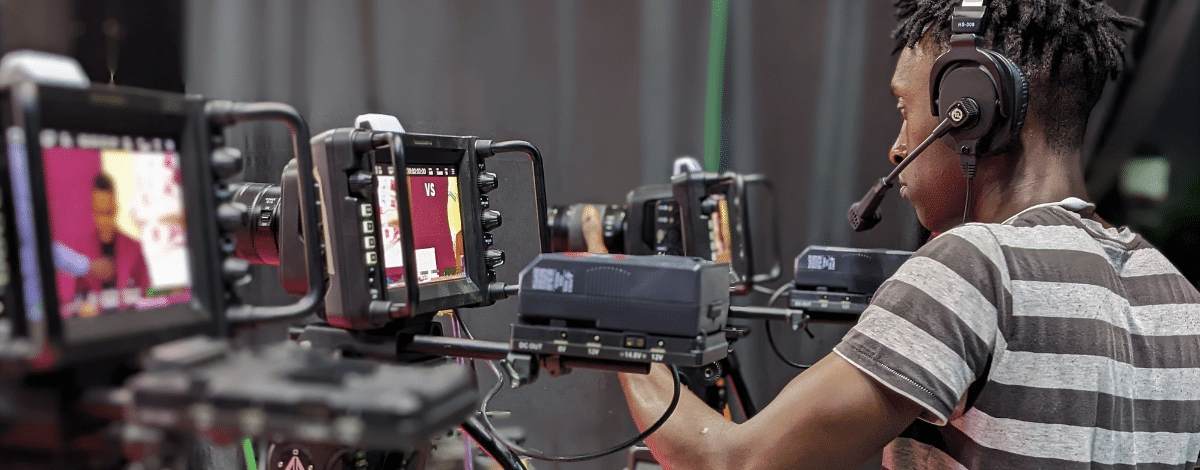
Creating On-the-Fly Solutions On Location: But There is No Substitution for Pre-Production
- Scriptwriting
A well-written script is a filmmaker’s blueprint. Dialogue should flow naturally, scenes should progress logically, and characters must evolve. Consider collaborating with a seasoned scriptwriter or attending workshops to hone your skills. - Storyboarding and Shot Lists
Visualizing your script through storyboarding helps in pre-visualizing the film and determining the flow of scenes. This becomes especially beneficial for complex sequences. Meanwhile, shot lists ensure that every necessary angle, shot, and movement is planned out, making the filming process smoother and more organized. - Assembling Your Crew
Each crew member, from the cinematographer to the set designer, brings a unique skill set. Seek individuals who not only have expertise but also share your passion. A harmonious, dedicated crew often translates to a smoother filmmaking process. - Budgeting and Financing Be realistic about costs. Itemize every expenditure, from equipment rentals to location permits. Consider crowdfunding, grants, or private investments as funding sources. Being financially prepared prevents unwanted production halts.
V. Filming Fundamentals
Here, your vision starts materializing.
- Choosing the Right Equipment
From high-end cameras to drones, the market is flooded with options. Your choices should align with your narrative needs and budget constraints. And remember, sometimes creativity trumps costly equipment. - Understanding Basic Cinematography
Cinematography isn’t just about shooting scenes. It’s about creating moods, establishing settings, and emphasizing emotions. Study iconic movie scenes, attend workshops, and practice framing shots to develop your eye. - Working with Actors Hold auditions, trust your instincts, and choose actors who can do justice to your characters. Maintain open communication, and provide them with the guidance and freedom they need to shine.
VI. Post-production Process
This phase can redefine your movie.
- Editing
It’s said that movies are made in the editing room. Choose an editor whose style aligns with your vision. Together, cut, splice, and arrange the footage to narrate your tale seamlessly. - Sound and Music
Ambient noises, dialogues, background scores – they’re pivotal. Collaborate with sound designers and music composers to create an auditory experience that complements your visual narrative. - Special Effects and Graphics
Digital magic can transform a scene. Whether it’s adding a rainstorm or creating a fantasy creature, the right effects can make your film visually stunning.
VII. Distribution and Marketing
Your movie deserves an audience.
- Film Festivals
From Cannes to Sundance, film festivals are gateways to the industry. Not only can they provide exposure, but they also offer networking opportunities with industry stalwarts. - Online Platforms
Platforms like Netflix, Amazon Prime, and Hulu have changed the distribution game. Getting your film featured can lead to global recognition. Alternatively, consider hosting it on YouTube or Vimeo for direct access to audiences. - Promotion and Publicity
Use social media, host premieres, send out press releases, and engage in interviews. The more buzz you create, the wider your audience reach.
VIII. Wrapping Up: Your Journey Ahead
Your first movie is a monumental milestone, but it’s just the beginning. With every project, you’ll learn, evolve, and refine your craft. Remember, every setback is a setup for a greater comeback. Stay passionate, remain curious, and continue telling stories that matter.
IX. Frequently Asked Questions (FAQ)
- How much does it typically cost to make an independent film?
While budgets vary, many indie films operate within a certain range. However, resourcefulness can drive down costs. - Do I need formal education to become a filmmaker?
While film schools offer valuable insights, many industry giants are self-taught. Passion is the ultimate driving force. - How can I find actors for my film?
Apart from acting schools and theaters, platforms like Backstage can connect you with budding actors. - What if my film isn’t well-received?
Criticism is a filmmaker’s rite of passage. Use it constructively, understand audience feedback, and grow from the experience.
Screenwriting Tips for Students and FAQ for Aspiring Filmmakers
Pre-Production: “The More Organized You Are, the More Creative You Can Be”
Think Crew: Team Collaboration and Problem Solving in Real Time