By M. David Mullen, ASC
Learning how to light scenes is a never-ending experience for a cinematographer; you are constantly picking up new techniques yet also refining or changing your basic aesthetic notions of how movies should be lit.
Lighting Realistically
Most scenes in contemporary cinema are generally lit in what has been called romantic realism – source-motivated lighting that recreates natural light at either its most attractive moments or when it creates the proper mood for the story. Sometimes it veers into what in literature is called a pathetic fallacy, when the exterior mood symbolically represents the internal emotions of the characters. The most common example is when it is overcast and raining when a character is sad.
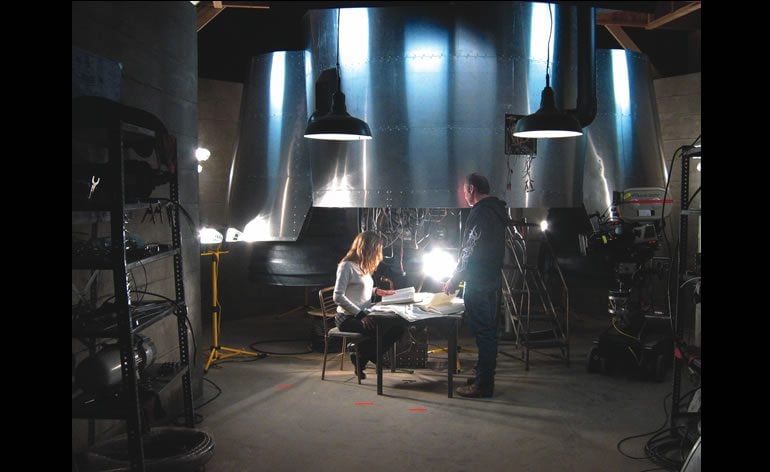
My last three projects as cinematographer have been the features The Astronaut Farmer (recently released by Warner Bros.), Solstice (a supernatural thriller shot in New Orleans), and the second season of the HBO series Big Love. You find as you work more and more often that some recent lighting lessons transfer readily over the next job, while other times, you light in an entirely new manner to handle a radically different situation or to create a new look. One tool that you thought you could never live without becomes quickly discarded on the next show for another tool. Sometimes these changes in lighting are brought about by the influence of the particular Gaffer and Key Grip hired for that show, or they are the result of budgetary restrictions that force to come up with new solutions.
Free for members
Sign up free to keep reading
It’s free and takes less than 30 seconds. You’ll also get our Interstellar issue free, and a community of filmmakers sharing their work.
No credit card. Continue with Google or your email.