

Finding Balance as Filmmakers
By Shane Stanley It’s that time of year to brush the sand off your feet, let your suntans fade and
The Cinematography category on StudentFilmmakers.com examines the theory and practice of visual storytelling through motion-picture photography. Drawing on essays, technical analyses, and interviews with award-winning cinematographers, including members of the American Society of Cinematographers (ASC), British Society of Cinematographers (BSC), and Canadian Society of Cinematographers (CSC), the category emphasizes how aesthetic decisions emerge from narrative, logistical, and technological constraints.
By Shane Stanley It’s that time of year to brush the sand off your feet, let your suntans fade and

Simplicity and Magic in Filmmaking By Michael Goi, ASC, ISC I’ve always been fascinated with magic. From the time I

By Neal Bell In traditional horror movies, there’s a fairly simple formula: ‘normality’ is threated by the monstrous (from bug-eyed
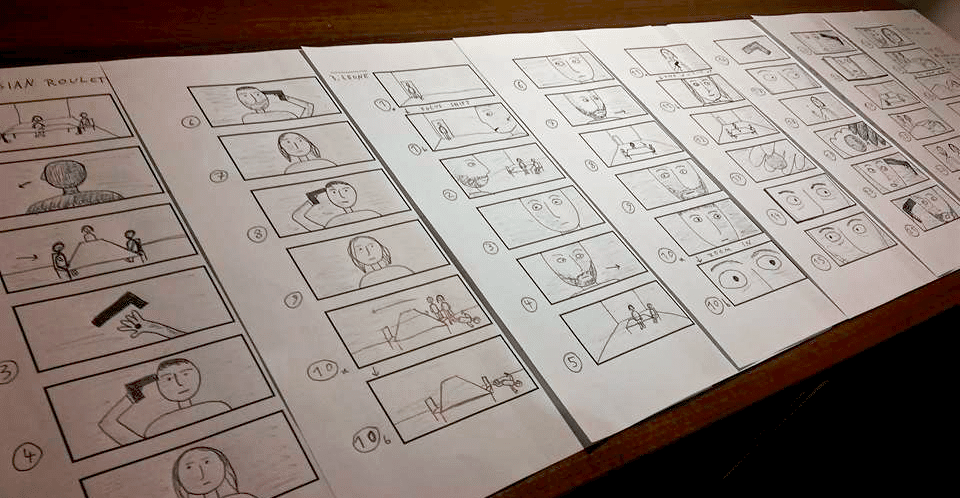
By Marco Schleicher, MA I really like the process of storyboarding. It gives me a clear vision of what I

In this Community Spotlight, Maura Nicolăiță is joined by Roy H. Wagner ASC, a 40-year veteran, two-time Emmy-winning cinematographer, and
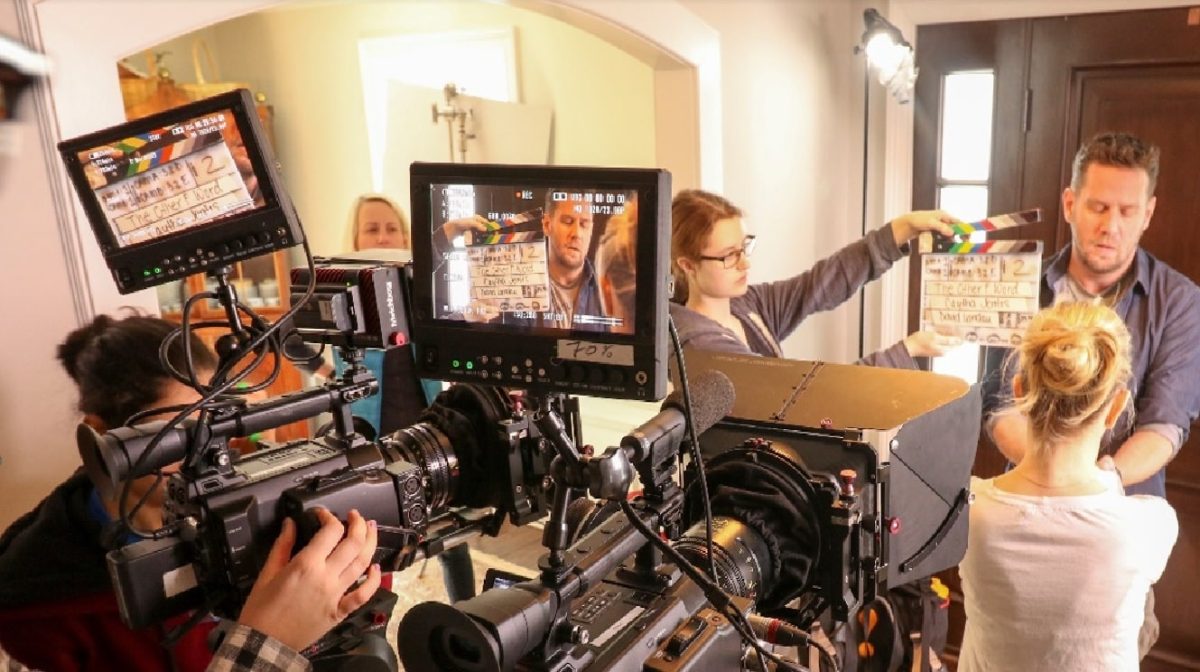
By David Landau The biggest challenge for any production is usually time. Can the crew get all the shots needed
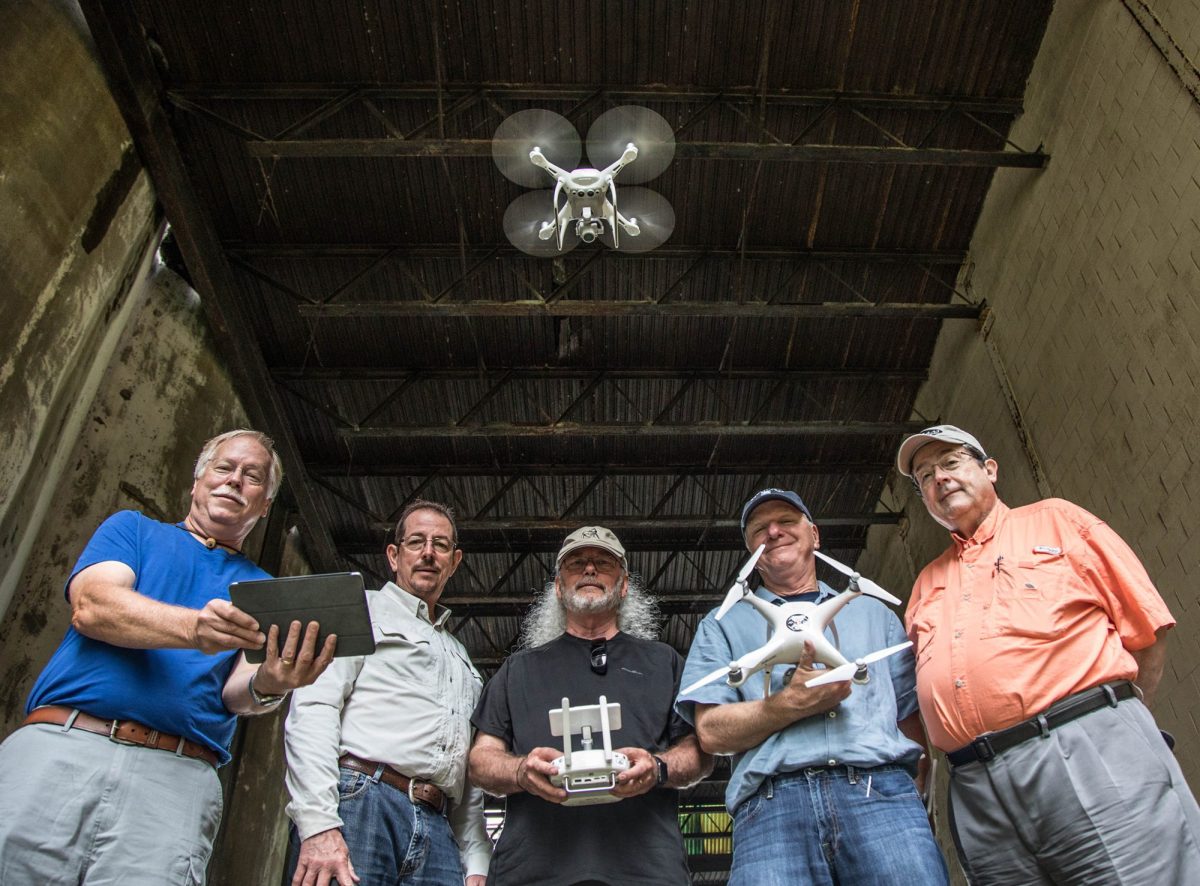
Written by Eddie Tapp Take composition for instance, the one thing that will make a scene easy to look at

Written by William Donaruma What do you do when you write an original musical production, cast it, rehearse it,
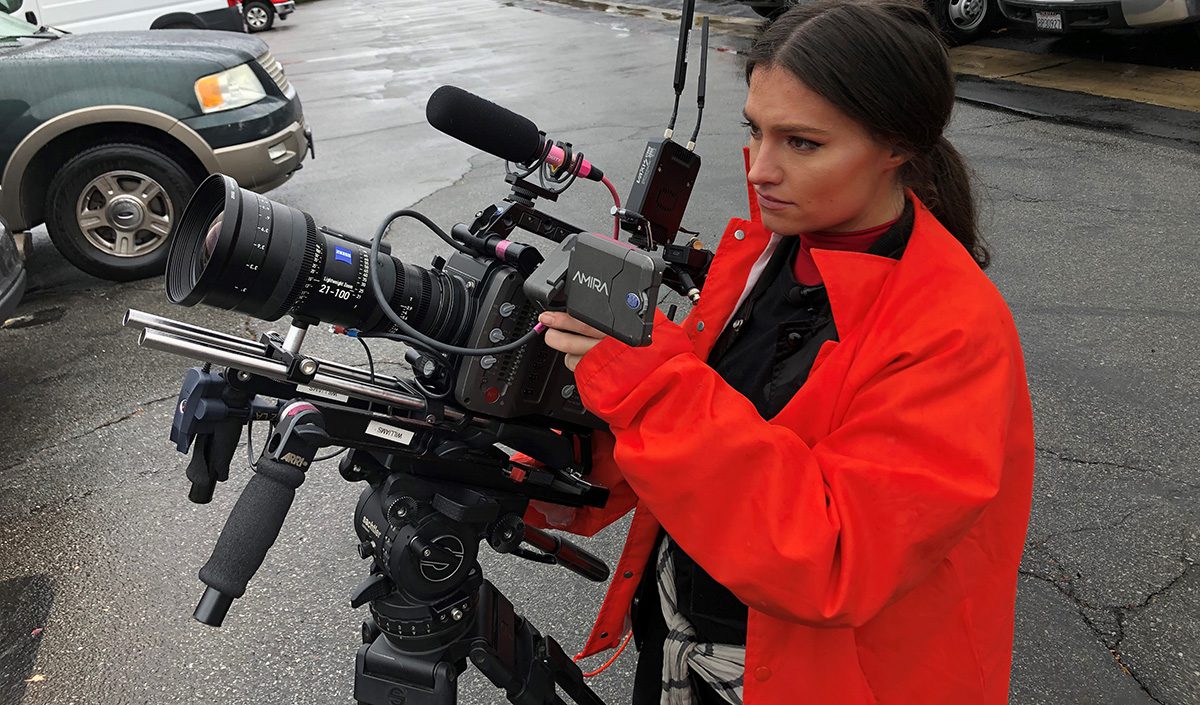
Written by Snehal Patel Zoom lenses are an important tool for filmmaking in general, but even more important for multicamera
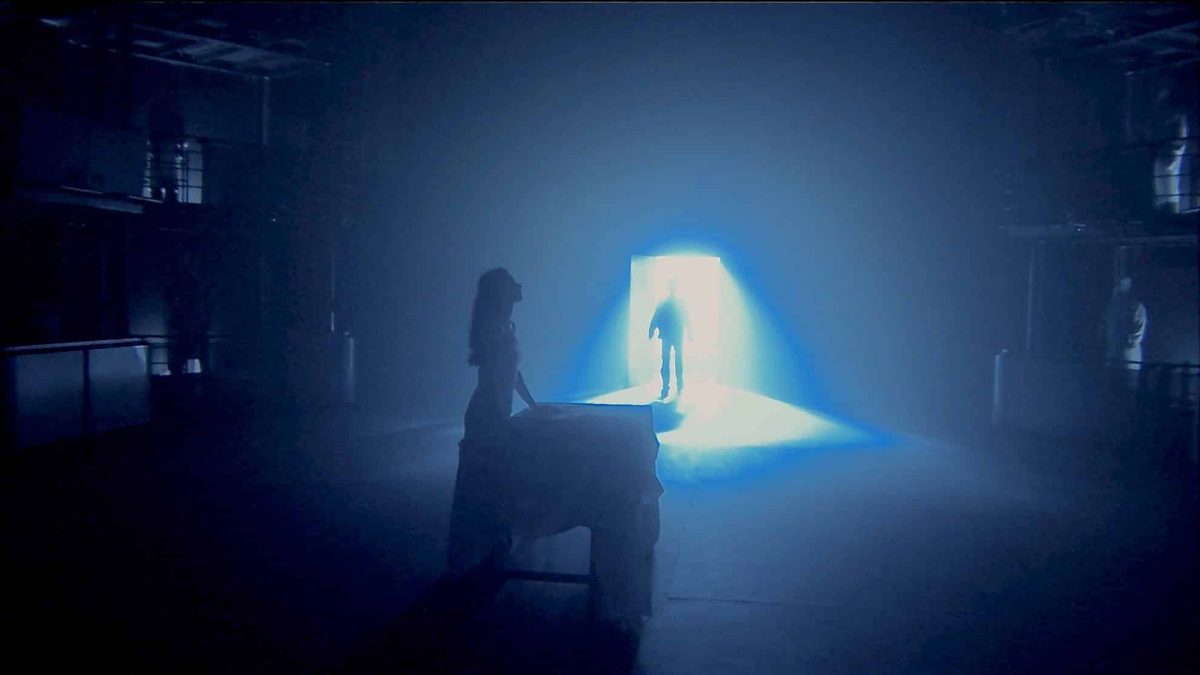
Written by Tony Westman csc, dga, dgc The director turned to me after blocking with actors and stunt performers and
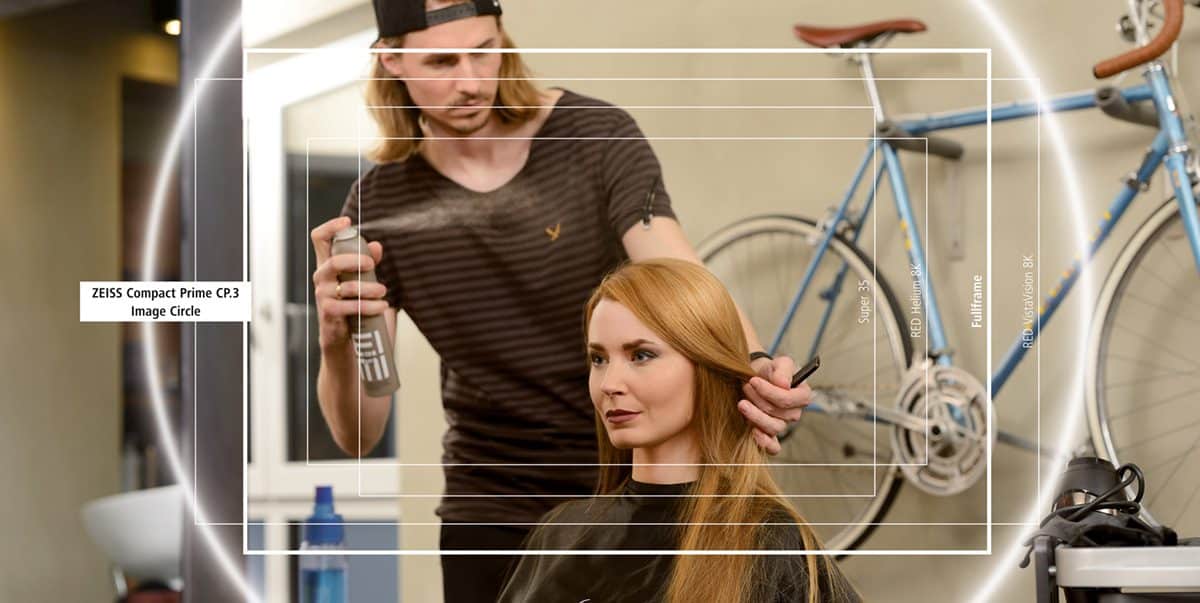
Written by Snehal Patel As a filmmaker, there is a lot to learn. It takes a lifetime of experience and
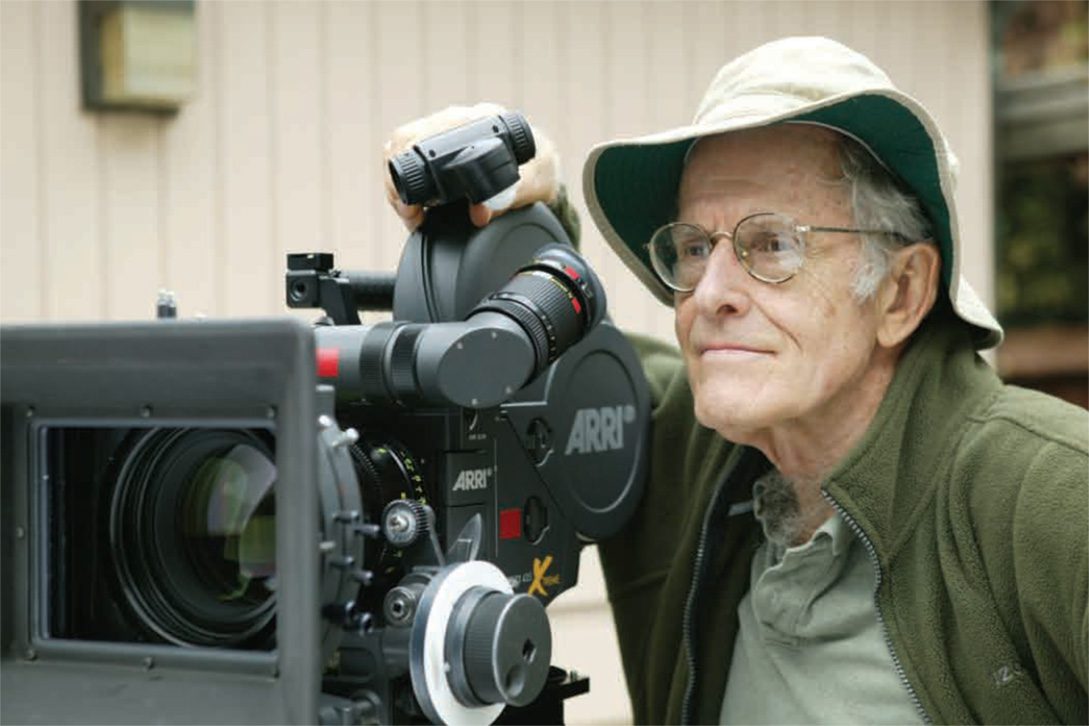
StudentFilmmakers Magazine conducts an exclusive interview with master cinematographer Ron Dexter, ASC. Mr. Dexter shares his experience building camera equipment