Day-for-Night: Here’s How It Works DFN Filter FX by Ira Tiffen
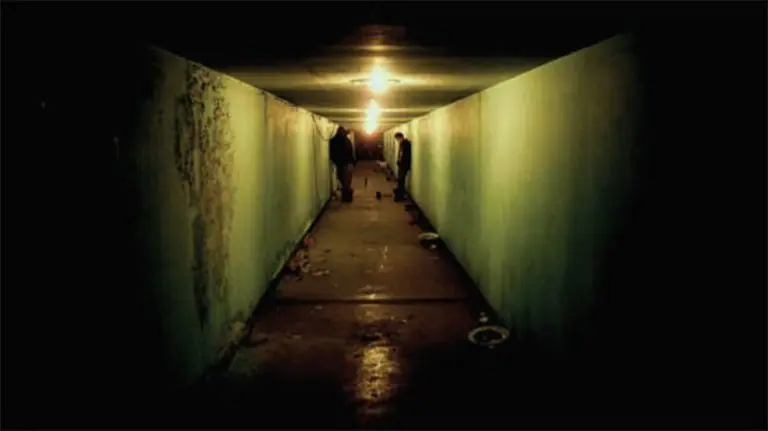
It happens that we sometimes need to capture action that occurs at night.ampl. Long ago (in cinematic years) a technique called Day-for-Night (DFN) was conceived to assist in these situations.
How Day-for-Night Works
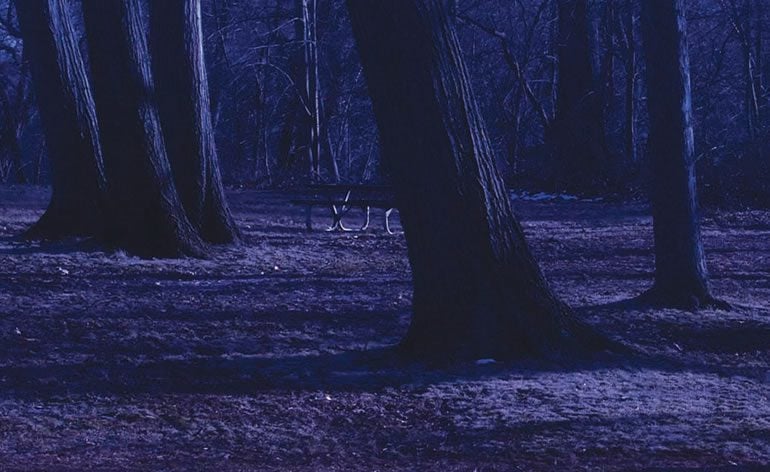
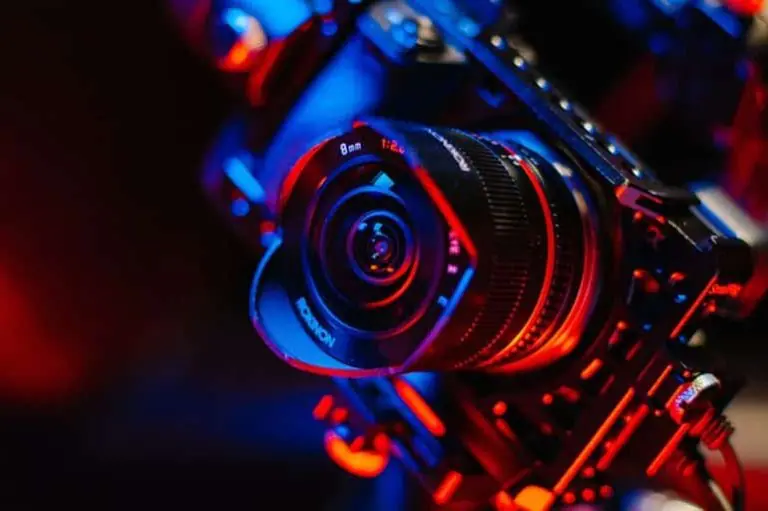
The idea for DFN centers on the fact that it is dark at night and that this can be visually approximated by underexposing about two stops. From there, different paths emerge. Today, we will address one that has seen use in many productions. It involves using a DFN filter with a blue hue to it.
Here’s how it works. The underexposure reduces the luminance level to simulate night. Now, we are psychologically inclined to consider nighttime, after the warm sun goes down, as having a relatively cooler temperature than daytime. In addition, we are also so inclined to consider ‘blue’ suggestive of a cooler temperature than any other hue.
Free for members
Sign up free to keep reading
It’s free and takes less than 30 seconds. You’ll also get our Interstellar issue free, and a community of filmmakers sharing their work.
StudentFilmmakers.com is where creatives grow. Learn filmmaking, connect with industry pros, and access tools, contests, and inspiring educational resources.
Event Videographer. Colorado, United States. #FlashbackFriday #FBF Do you remember our Community Spotlight with Todd E. Geer? For events and small scale promotional videos, videographer ...
Quick answerWhat is practical lighting in film?Practical lighting uses light sources that appear in the scene itself, such as lamps, ceiling fixtures, candles, televisions, fire ...
Discover exclusive access to free webinars, hands-on workshops, and cutting-edge insights into emerging technologies and workflows. Sign up with the form above to stay ahead in the fast-evolving world of filmmaking.