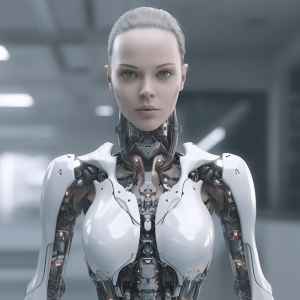
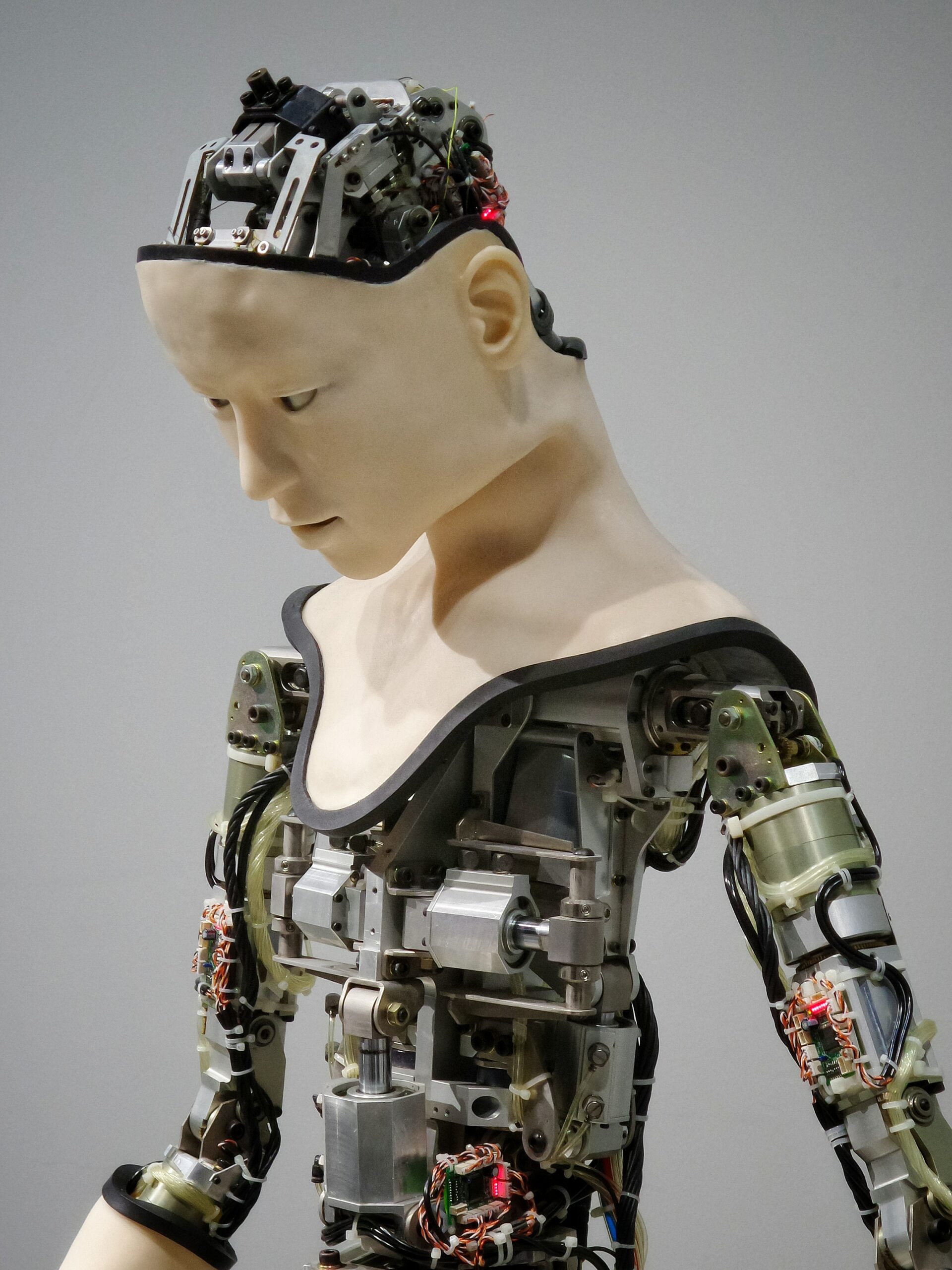
Artificial Intelligence (AI) is changing the way filmmakers work. With the help of AI, filmmakers can automate mundane and time-consuming tasks, generate new ideas, and enhance the overall quality of their films. In this article, we will introduce the basics of AI for filmmakers and explore how AI is transforming the film industry.
It is worth noting that the use of AI in filmmaking is not without controversy. Some critics argue that AI may lead to a loss of creativity and originality in the film industry, while others express concerns about the potential ethical implications of using AI to manipulate audience emotions or perpetuate harmful stereotypes. As with any emerging technology, it is important for filmmakers to consider the potential benefits and drawbacks of AI and use it responsibly and ethically.
What is AI?
AI refers to the ability of machines to perform tasks that would typically require human intelligence, such as learning, reasoning, and problem-solving. AI can be classified into three categories: narrow or weak AI, general or strong AI, and super AI. Narrow AI is designed to perform a specific task, such as image recognition or speech recognition. General AI is capable of performing any intellectual task that a human can do. Super AI, on the other hand, refers to AI that is more intelligent than humans.
How is AI used in Filmmaking?
AI is being used in various aspects of filmmaking, from pre-production to post-production. Here are some examples:
- Scriptwriting: AI can analyze existing movie scripts and generate new ones based on various parameters, such as the genre, the target audience, and the storyline.
- Casting: AI can analyze an actor’s previous performances and help filmmakers find the right actor for a particular role.
- Location scouting: AI can analyze various locations and recommend the best ones based on factors such as lighting, weather, and accessibility.
- Editing: AI can assist in the editing process by suggesting the best shots and the most appropriate music and sound effects.
- Special effects: AI can help create realistic special effects that would be challenging or impossible to create manually.
- Distribution: AI can analyze audience data and recommend the best distribution channels for a film.
What are the benefits of AI for Filmmakers?
The use of AI in filmmaking offers several benefits, including:
- Time-saving: AI can automate time-consuming tasks, such as script analysis and location scouting, allowing filmmakers to focus on more creative tasks.
- Cost-saving: AI can reduce the cost of filmmaking by automating tasks that would typically require human labor, such as editing and special effects.
- Quality improvement: AI can enhance the overall quality of a film by suggesting the best shots, sound effects, and music.
- Innovation: AI can help filmmakers generate new ideas and explore new creative possibilities.
- Audience targeting: AI can analyze audience data and help filmmakers tailor their films to the preferences of their target audience.
What are the challenges of AI for Filmmakers?
Despite the benefits of AI, there are also some challenges that filmmakers may face when using AI. These include:
- Cost: Implementing AI technology can be expensive, particularly for independent filmmakers who may not have access to large budgets.
- Creativity: AI can automate some aspects of the creative process, but it cannot replace human creativity entirely.
- Ethics: The use of AI in filmmaking raises ethical concerns, such as the potential for AI to perpetuate stereotypes or manipulate audience emotions.
- Privacy: The use of AI in audience analysis raises privacy concerns, as audience data can be sensitive and personal.
Conclusion
AI is transforming the film industry, and filmmakers can benefit from using AI to automate tasks, generate new ideas, and enhance the overall quality of their films. However, there are also challenges to using AI, such as cost, ethics, and privacy. Filmmakers should weigh the benefits and challenges of AI and carefully consider how AI can best serve their creative goals. As AI technology continues to evolve, we can expect to see even more significant changes in the film industry in the years to come.