Master the Art of Sound: Innovative Tips for Student Filmmakers
Most student filmmakers overlook one simple truth: sound can make or break a story. Many focus on visuals but miss out on powerful sound design tips that create deeper emotion and immersion. In this post, you’ll learn innovative sound techniques that elevate your film sound and audio production, making your projects stand out. Ready to sharpen your craft? Let’s get started. Check out this link for more insights on sound design.
Essential Sound Design Tips
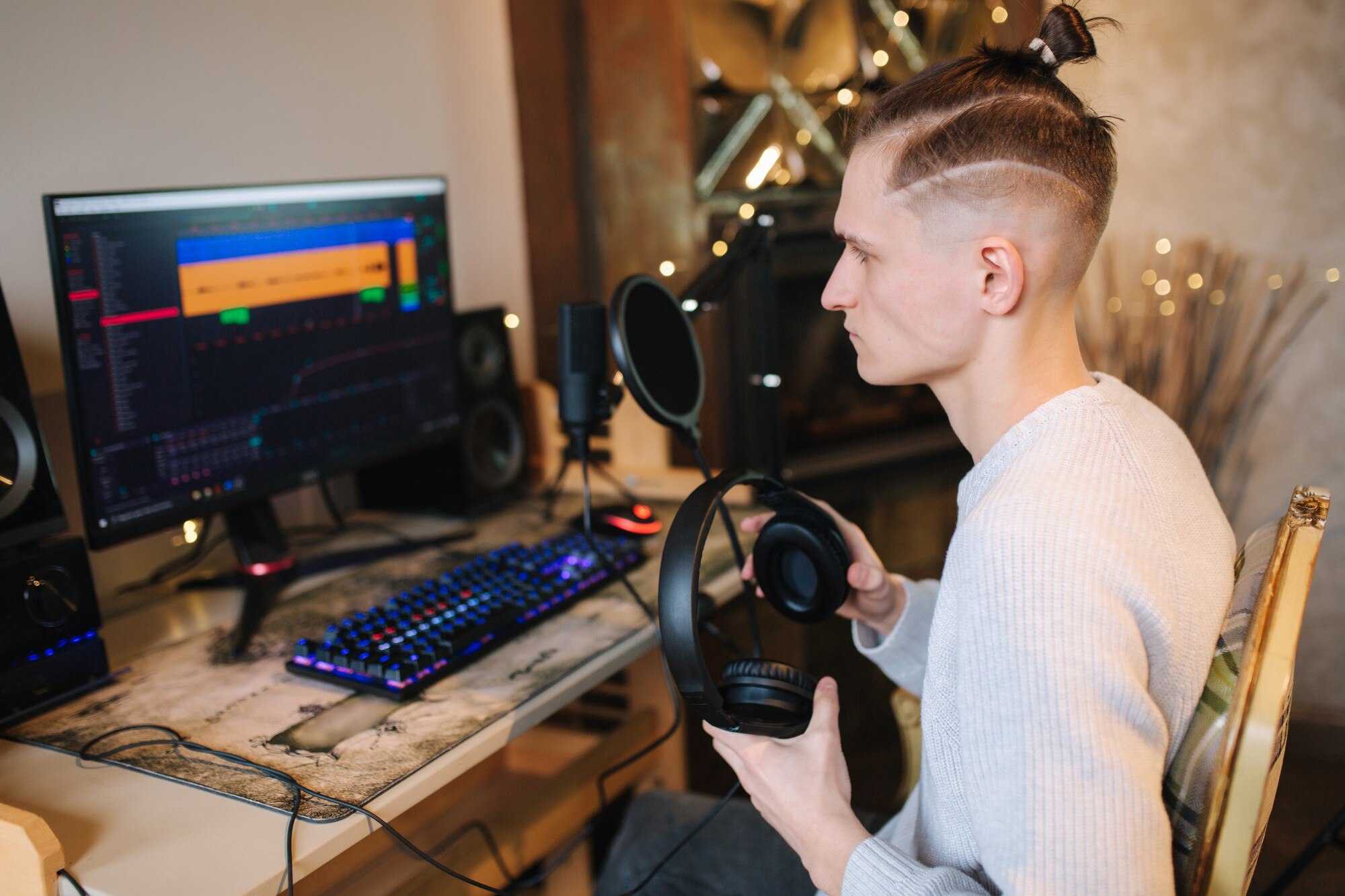
Before diving into advanced techniques, let’s master the basics. Sound can shape the viewer’s experience and enhance the storytelling in your film.
Building a Sonic Identity
Every film has its own sound personality. To create yours, start with a theme. Think about the mood you wish to convey. Is it suspenseful, joyous, or something else entirely?
Crafting a unique sound identity involves choosing instruments, voices, and effects that match your narrative. For instance, a mystical fantasy might use ethereal chimes and deep, resonant tones. This helps viewers connect emotionally with your story, making it more memorable. Remember, consistency is key. Use similar sounds throughout your film to build familiarity and depth.
Utilizing Natural Sounds
Nature provides an abundance of sounds that can add authenticity to your scenes. Think of rustling leaves or distant thunder. These sounds can subtly enhance the atmosphere without overwhelming the main action.
Recording natural sounds yourself is ideal. It ensures you get exactly what you need. But if that’s not possible, many online libraries offer high-quality options. Incorporate these sounds to ground your film in a believable world and connect with your audience on a primal level.
Creating Atmosphere with Audio
Atmosphere sounds aren’t just background noise—they’re characters in your story. They should be used to evoke emotions and set the scene.
Consider a bustling city or a serene forest. Each has a distinct sound palette. Layering different audio elements can create a rich, immersive experience. Keep listener focus in mind; audio should enhance the mood without distracting from dialogue or key actions. By thoughtfully adding these layers, you transport viewers directly into the world you’ve created.
Innovative Sound Techniques
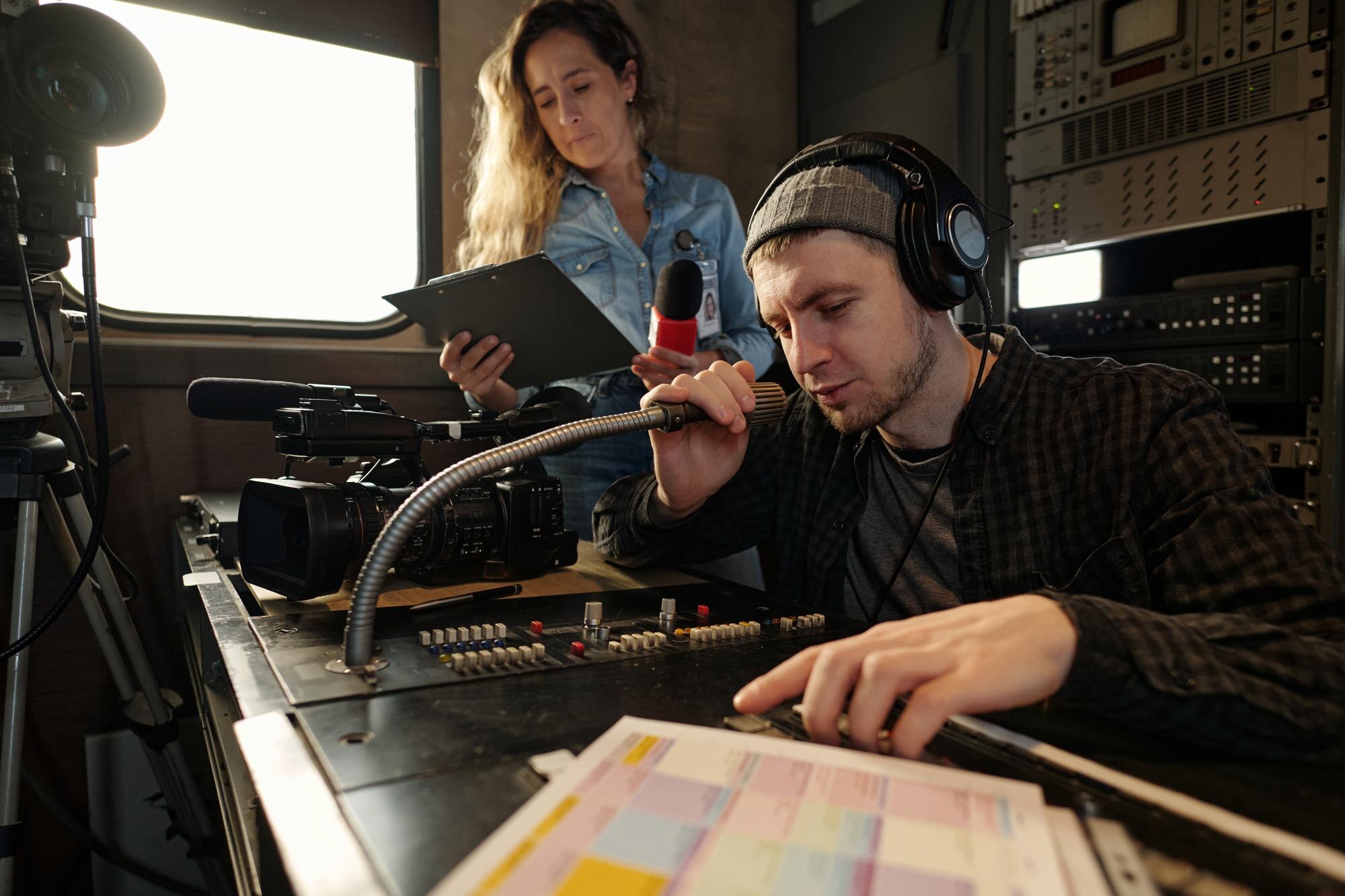
Now, let’s explore groundbreaking methods to elevate your audio game. These advanced techniques will push your projects beyond the ordinary.
Layering and Texturing Audio
Layering is about combining multiple sound elements to create complexity. Think of it as building a musical chord, where each note adds richness.
Start with a base sound, like a soft hum, and add layers like whispers or ambient noise. This creates depth and texture. Texturing involves adjusting volume and panning to give each layer space in the mix. This technique ensures each sound complements the others, resulting in a polished, professional feel.
Experimenting with Foley Art
Foley art is the secret weapon for creating realistic sound effects. It’s about using everyday objects to mimic real-world sounds.
For example, coconuts can replicate the sound of horse hooves, as famously shown in Monty Python’s “Holy Grail”. Experiment with different materials to find surprising effects that fit your scene. This hands-on approach not only saves on budget but also adds a unique touch to your soundscape.
Incorporating Diegetic and Non-Diegetic Sound
Understanding the difference between diegetic and non-diegetic sound is crucial for effective storytelling. Diegetic sound comes from the film’s world, like dialogue or footsteps. Non-diegetic sound, such as background scores, is heard by the audience but not the characters.
Balancing these elements can enhance narrative depth. Sometimes, blending both types creates a compelling effect, like a character hearing a song that only exists in their mind. Use this technique to add layers of meaning and engage viewers on a deeper level.
Enhancing Film Sound on a Budget
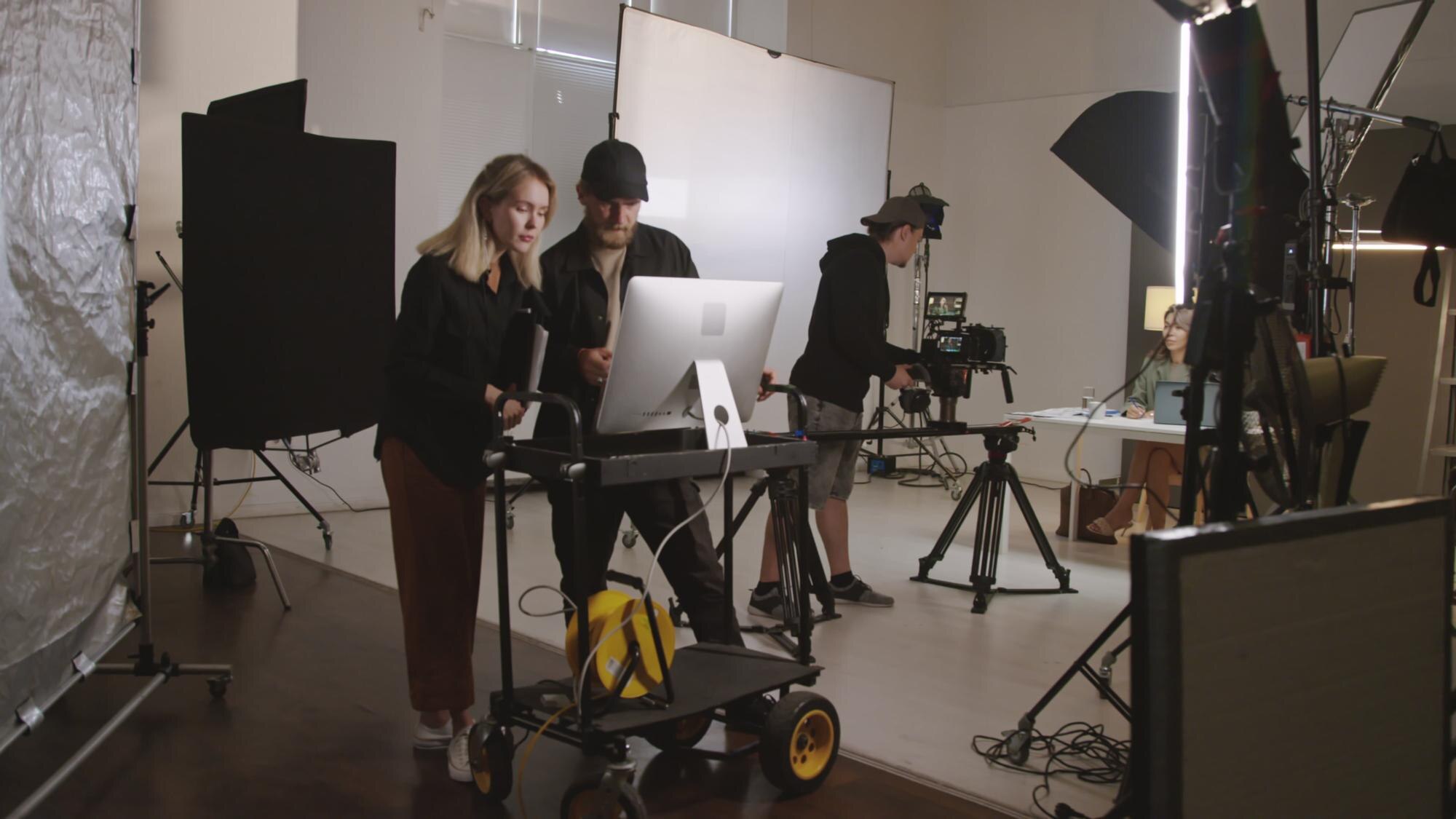
You don’t need a huge budget to achieve great sound. Let’s uncover ways to maximize your resources and still produce top-notch audio.
Affordable Audio Equipment Options
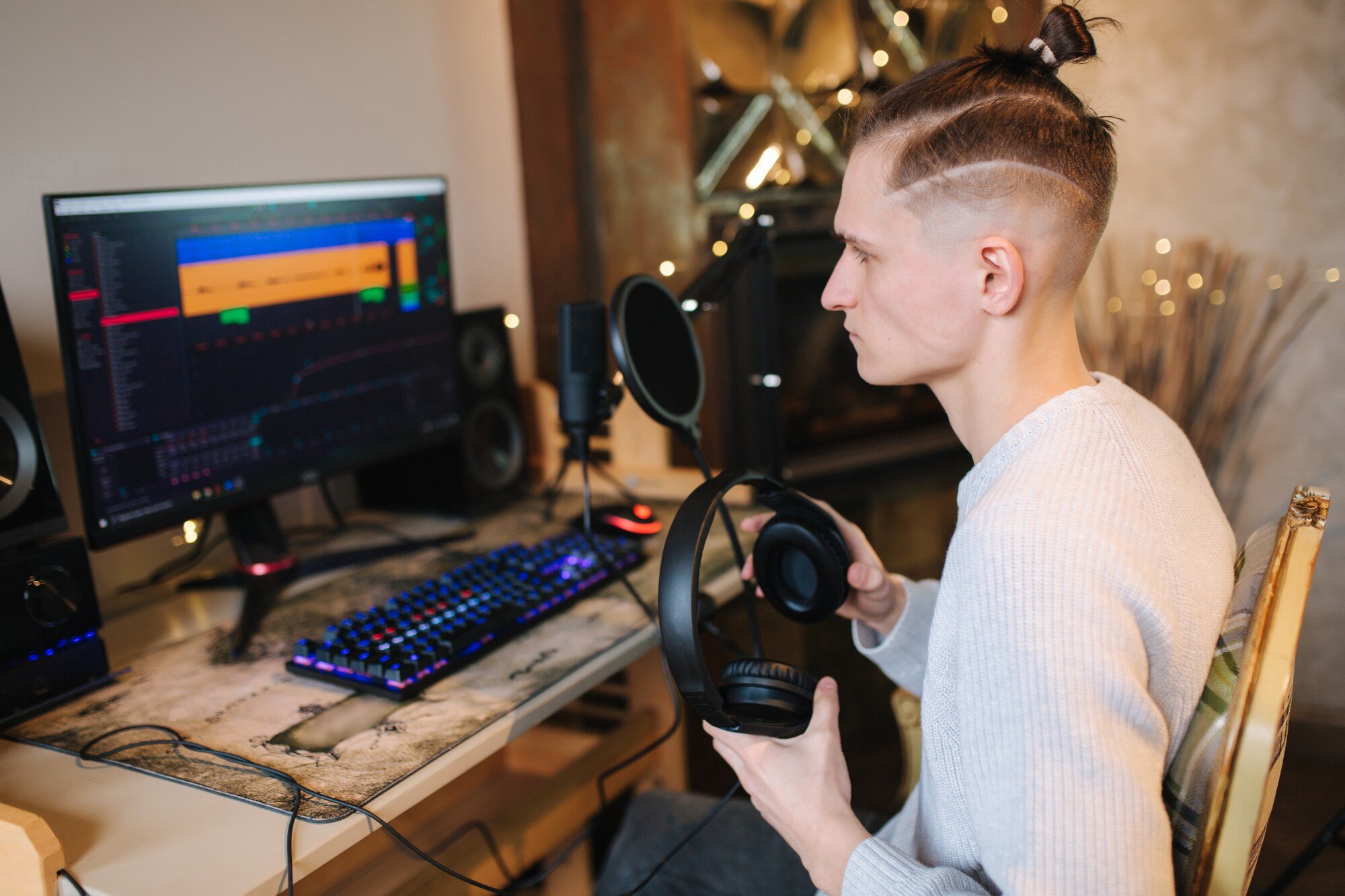
High-quality audio gear can be expensive, but there are budget-friendly alternatives that deliver excellent results. Consider brands that offer starter kits with microphones and headphones. Portable recorders are also a worthwhile investment for capturing crisp sound on the go.
Remember, the goal is clarity. Even affordable equipment can meet professional standards if used correctly. Always research and read reviews to find gear that suits your needs and budget.
DIY Soundproofing Solutions
Soundproofing your recording space is crucial for clear audio. You don’t need costly materials to achieve this.
Use thick blankets or foam panels to dampen sound reflections. Even heavy curtains can reduce echo. Arrange furniture strategically to absorb sound, and seal gaps in windows or doors to prevent noise intrusion. These simple adjustments can dramatically improve recording quality without breaking the bank.
Leveraging Free Sound Libraries 🎬
The internet is a treasure trove of free sound resources. Websites offer vast libraries of sound effects and music tracks for creative use.
Explore platforms like Unison Audio for film-related sound design. These resources enable you to explore different audio styles and find the perfect match for your project. Be sure to check usage rights and give credit where needed. By utilizing these libraries, you can expand your sound palette without spending a dime.
With these tips and techniques, you’re well on your way to mastering the art of sound design. The longer you wait to apply these insights, the more opportunities you miss to captivate your audience. Whether using natural sounds or experimenting with Foley, each step enhances your storytelling. So dive in, explore these innovative approaches, and watch your films come alive with sound.