Smartphone Filmmaking: 3 Fun Projects for First-Time Creators
Got a Smartphone? These three beginner-friendly “exercises” will help you practice filmmaking and show you what aspects require your primary attention.
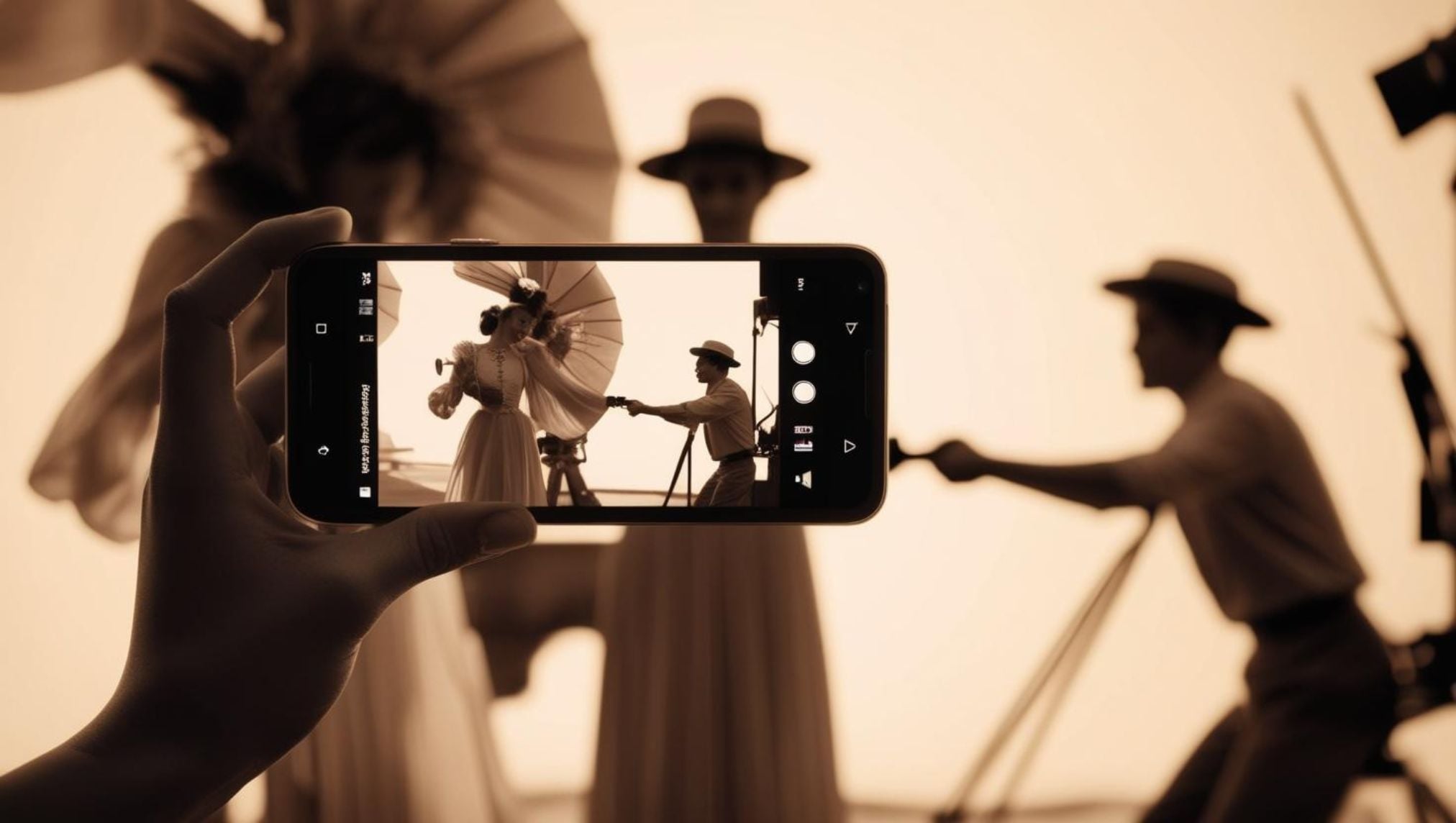
Creating cinematic stories requires no cinema camera. Your smartphone serves as a potent filmmaking device which you already possess in your pocket.
If you aim to understand filmmaking basics or polish your visual approach practicing through your phone remains one of the most effective and easy methods to advance your skills. Mastering basic principles constitutes the true path to filmmaking success rather than focusing on equipment.
You can film these three projects using your smartphone today that will help you develop specific filmmaking skills.
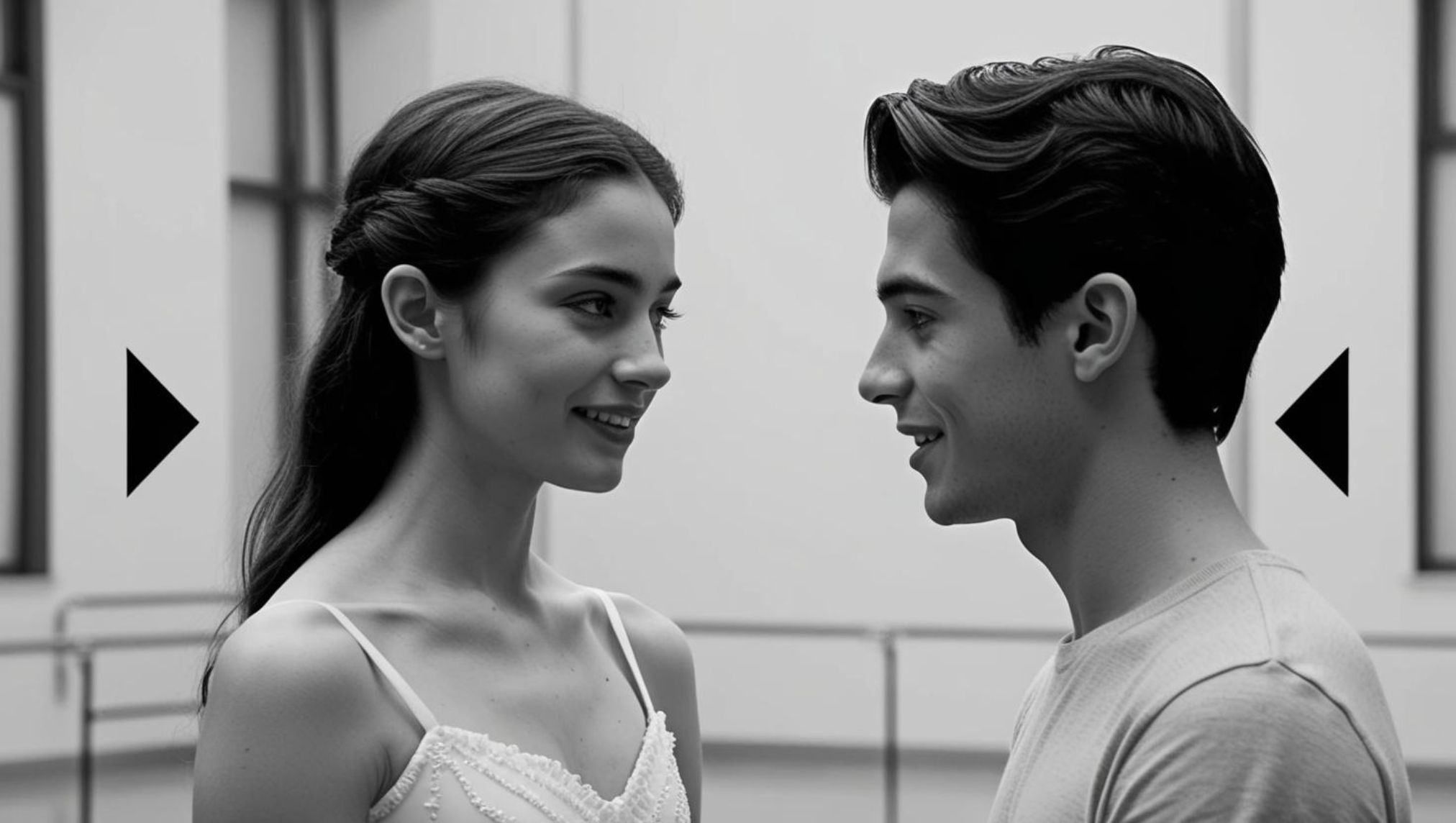
1. Silent Short Scene
Concept: Film a one-minute story without any dialogue.
Why it works: This forces you to think visually. What techniques allow filmmakers to show both emotion and action solely through camera framing and the movement of actors and their facial expressions?
What to pay attention to most:
Composition: Apply the rule of thirds when framing your subject purposefully.
Shot variety: Utilize a combination of wide, medium, and close-up shots to create visual rhythm in your film.
Continuity: Maintain consistent body positions and eyeline matches across shots.
Pro tip: Explore silent films or contemporary scenes with minimal dialogue to learn storytelling through visuals alone.

2. Everyday Life Montage
Concept: Develop a visual sequence lasting between 30 and 60 seconds that portrays your daily morning routine or captures activities like taking a walk or meal preparation.
Why it works: Through this project you will enhance your editing skills while learning to appreciate the beauty hidden in daily experiences.
What to pay attention to most:
Lighting: Capture images near windows or under soft natural lighting to enhance photographic quality.
Focus and exposure: Lock both focus and exposure by tapping on your screen.
Pacing: Practice editing video footage by syncing your cuts to musical beats.
Pro tip: If your smartphone supports slow motion features you should try incorporating several shots into your projects.
3. Phone Interview or Micro-Doc
Concept: Capture a brief interview with a family member or friend to discuss a topic that interests them.
Why it works: Interview-based storytelling exercises help you refine your camera skills while developing your narrative structure.
What to pay attention to most:
Sound: Clean audio recordings require the use of earbuds with integrated microphones or an external microphone setup.
Background: Choose an uncluttered space with soft lighting.
B-roll: Gather supporting visual content to reinforce your subject’s statements because it will create an engaging edit sequence.
Pro tip: Create space for your subject to express themselves by asking open-ended questions. Make sure your footage portrays both their emotions and personal characteristics instead of only recording factual information.
What Really Counts: Vision, Practice, and Passion
The most exceptional filmmakers excel as storytellers who solve problems instead of accumulating equipment. The skills you learn shooting with your smartphone apply directly to any camera you decide to operate later on.
Keep your focus on what matters: The key elements of filmmaking include lighting, sound, framing, editing and especially storytelling. Your filmmaking skills improve directly through practice and shooting more frequently.
You’ve got the tools. Now go tell a story.
And if you’re ready to explore the fundamentals a bit further, there are on-demand webinars and free live webinars that break down the basics of filmmaking. They’re a helpful way to deepen your understanding at your own pace, whenever you’re ready.