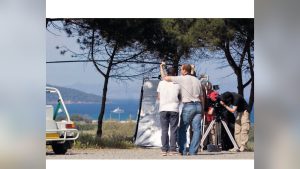
Exclusive interview conducted Nash Choudhury
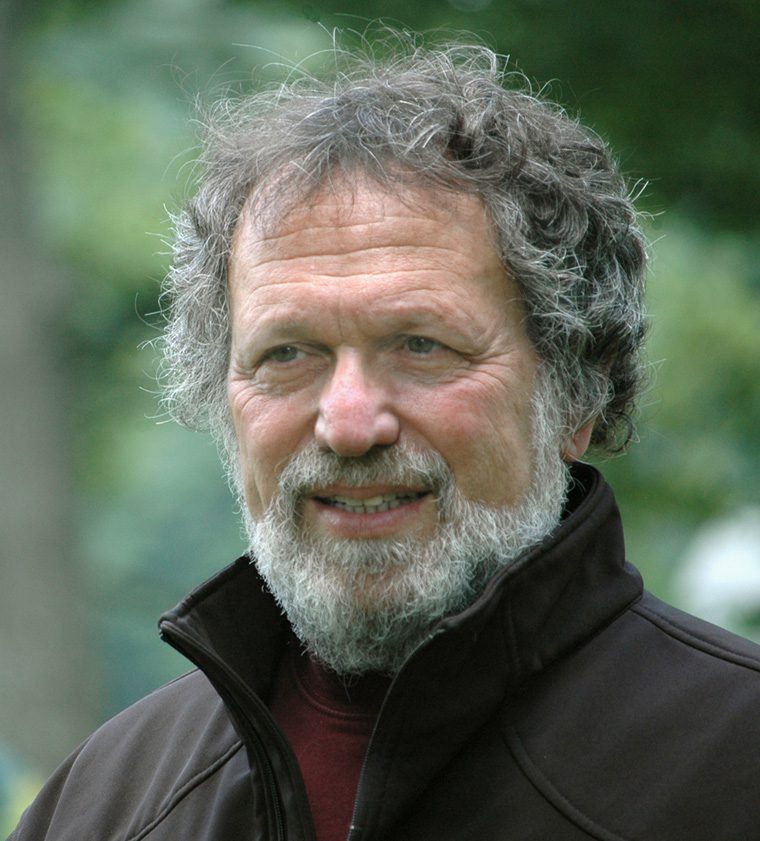
Peter Stein, ASC has been shooting films in one way or another for over thirty years working on a wide variety of films from horror classics to children’s comedies to incisive documentaries. Beginning his career in cinematography with one of the highest grossing films of 1981, Friday the 13th Part 2, Mr. Stein has worked his way through some of the seminal horror movie classics of the eighties including Pet Sematary and C.H.U.D. But what really draws Mr. Stein’s passion is his documentary work including the one he is currently working on – documenting the life of his father Fred Stein, a renowned still photographer. We talk with Mr. Stein about how he got into the business, the changes he has seen, and his current work.
How did you get into cinematography?
STUDENTFILMMAKERS: How did you get into cinematography?
Peter Stein, ASC: Well, my father was a great still photographer. His work is in a lot of museums and galleries around the world. His name is Fred Stein, and you can see his work at FredStein.com. So I grew up with still photography, and I used to take a lot of still photos all through high school. In fact, I won a Kodak National High School Photo Contest when I was in high school. So, I was always interested in still photography and sort of learned composition but not really lighting and still photography.
STUDENTFILMMAKERS: At what point did you transition over to film?
Peter Stein, ASC: Actually, it was quite late in life. It could be an inspiration for some of your readers but I didn’t get into the film business until I was twenty-seven years old, and I kind of worked my way up from there. There weren’t a whole lot of film schools back in those days, and I worked my way up. I started as a messenger with a film company that made documentary films. Then I talked my way into becoming an apprentice editor and then an assistant editor and I got a job working in films. I started working as an AC in documentaries and then worked my way up.
Free for members
Sign up free to keep reading
It’s free and takes less than 30 seconds. You’ll also get our Interstellar issue free, and a community of filmmakers sharing their work.
No credit card. Continue with Google or your email.