Sound design in film is the craft of creating, recording, editing and mixing everything the audience hears: dialogue, sound effects, Foley, ambience, music and silence. Audiences forgive a soft focus or a shaky shot, but they turn off a film with thin, muddy or distracting sound. This guide explains what sound design is, why it matters so much, and how you can design better sound on your next film, even on a student budget.
What is sound design in film?
Sound design is the creative and technical work of shaping a film’s soundtrack so it supports the story. A sound designer decides what the audience should hear in every moment, what they should not hear, and how loud, close or strange each sound should feel.
The term grew out of the work of editor and sound designer Walter Murch, who received a “sound designer” credit on Apocalypse Now (1979). Today it covers everyone from the production sound mixer on set to the re-recording mixer who balances the final track.
Why is sound design important?
It builds a believable world
Room tone, traffic, wind and footsteps tell the audience where they are before a single line is spoken. Remove them and even a well-shot scene feels like actors on a set.
It shapes emotion
A low drone builds dread. A sudden drop to silence makes a moment hit harder. Music and effects guide how the audience feels, often without them noticing.
It directs attention
Sound tells the viewer where to look and what matters. A creak off-screen makes them search the frame; a single amplified heartbeat pulls them into a character’s head.
It keeps the story clear
If dialogue is hard to understand, nothing else works. Good sound design protects intelligibility first, then adds texture around it.
The elements of a film soundtrack
Dialogue
Recorded on set with boom and lavalier microphones, then cleaned and sometimes replaced in post with ADR (automated dialogue replacement). See our guide to boom mics vs. lavaliers.
Sound effects
Hard effects (doors, cars, gunshots) and designed effects that don’t exist in real life. Ben Burtt famously built the Star Wars lightsaber from the hum of an idle film projector motor and the buzz of a television set.
Foley
Everyday sounds performed in sync with the picture: footsteps, cloth movement, props being handled. Foley makes characters feel physically present.
Ambience and room tone
The constant background of a space. Always record 30 to 60 seconds of room tone on every location; editors need it to smooth cuts.
Music
Score and source music. Music the characters can hear is called diegetic; learn how to plan it in Diegetic Music: When Music Is Visible.
Silence
Silence is a sound design choice. No Country for Old Men uses almost no score, and A Quiet Place builds an entire story around it.
How sound design works: the process
- Script and pre-production: mark scenes where sound carries the story and plan locations that are quiet enough to record clean dialogue.
- Production sound: capture clean dialogue, wild lines and room tone. Protect your microphones from wind; here’s why microphones have fuzzy covers.
- Spotting session: the director, editor and sound team watch the cut and decide where effects, music and silence go.
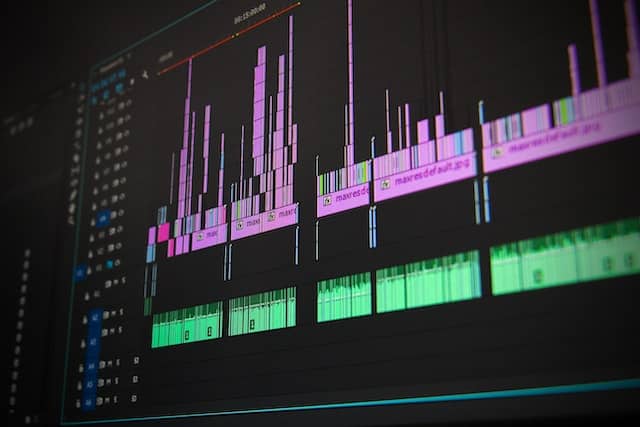
- Sound editing: clean dialogue, cut effects and Foley, and build ambiences, track by track.
- Mixing: balance every element so dialogue stays clear and the emotion lands, then deliver mixes for theaters, streaming and festivals.
Sound design tips for student and indie films
- Record clean dialogue first. No plugin fully fixes a noisy location.
- Get the mic close. Distance is the biggest enemy of clear sound.
- Always record room tone and a few wild takes of key lines.
- Build ambience in layers: a base tone, a mid-layer of activity and a few specific details.
- Use silence on purpose before your biggest moments.
- Check your mix on headphones, laptop speakers and a phone before you export.
- Pick the right microphone for the job; compare stereo vs. mono video microphones.
Want to go deeper on how sound shapes emotion? Read The Importance of Sound in Film, and see how sound and picture rhythm work together in our guide to pacing in video editing.
Frequently asked questions
What does a sound designer do?
A sound designer creates and shapes the sounds in a film, from realistic effects to invented sounds, and works with the editor, composer and mixer to make the soundtrack support the story.
Why is sound design important in film?
Sound design makes a film believable, guides the audience’s emotions and attention, and keeps dialogue clear. Poor sound is one of the fastest ways to lose an audience.
What is the difference between sound design and sound mixing?
Sound design creates and edits the sounds. Mixing balances all of them, including dialogue, effects and music, into the final soundtrack.
What are the main elements of film sound?
Dialogue, sound effects, Foley, ambience, music and silence.
Learn sound and filmmaking from working pros
StudentFilmmakers hosts free live webinars with working cinematographers, directors and sound professionals. Join free, or stream master classes on demand.