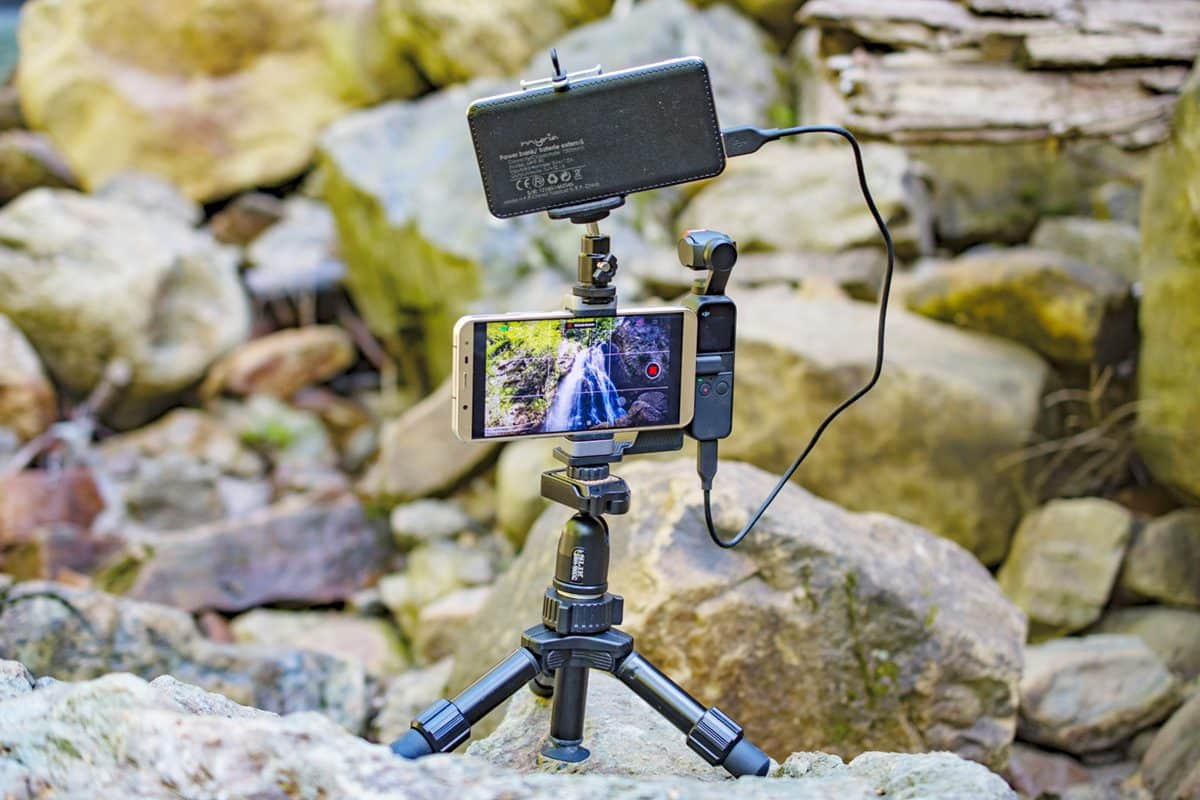
Photo by Razvan Cristea @ focusproduction.ro
Written by David Kaminski
On many occasions I have seen very good – and sometimes extraordinary work – created by young, first-time filmmakers that has never been submitted to a festival, nor recognized with an award. At the same time, I have been aware of contests and festivals with very few entries. Clearly, these were missed opportunities.
If you have been thinking lately about entering your students’ works – or your own works, if you are a student – in a student film festival, then there is no better time to start than now. Or maybe you haven’t started yet, and need a few pointers. Here are five important things to consider.
1. Learn about Festivals
- Go to a student film festival, and see what others are doing.
- Explore student festivals that show the kind of film you want to make.
- Meet like-minded people you might be able to use for crew or cast.
- Make additional friends and contacts along the way so you can always turn to them later for help.
- Gather materials, and study the elements of a good postcard, flyer, poster, or press release.
- Find out how others have managed funding for production, post-production, film festival fees, distribution, and travel expenses.
- See how others have gone about receiving sponsorship or help.
- Learn to be persistent but patient throughout the process.
2. The Creative Process and Flexibility
- Consider making one or more shorts rather than a feature.
- Think about working in more than one genre to extend your artistic range, and to reach a new audience.
- Work with a number of different people on other projects to fill out your resume, gain experience, and meet others.
- Do not be afraid to try a number of projects until one is a good fit.
- Consider canceling projects that are going nowhere, especially if you have new and better ideas, or the cost of time and energy of the current project is a drain on you.
3. Making a Film that Judges Will Like, and People Will Want to Watch
- Work with a well-conceived story or idea, since you will be working months or years to complete it.
- Make sure to maintain the highest quality production level you can manage, and don’t forget the basics (focus, shot composition, audio, lighting, etc.).
- Try to ensure the acting, sets, and locations are the best you can get, or that you use them wisely.
- Create original work with fresh insights and ideas.
- Use original music, or work that is copyright cleared or has a Creative Commons License.
- Attempt your own foley and sound effects when possible (you’ll learn a lot about audio), and avoid using those from the internet or your favorite movie.
- Start your film with a strong scene, or make sure it will come in the first 15 to 45 seconds. No judge will suffer through bad material that opens your work.
- Avoid long opening title sequences. Keep them minimal, and in the style of the piece.
4. Talk to Your Editor Before You Start
Talk to your editor and the person who will be creating your master copy (DVD or tape) for the festival before your project is in production. Communicating early will help you avoid costly mistakes or problems that cannot be “fixed in post.” Here are some things your editor might scold you about if you share some scenes early in the shoot:
- Poor audio: buzzing, background noise, or low dialogue that cannot be understood will be virtually unusable, except for evidence by the FBI.
- Bad focus will always be bad focus.
- Poor lighting requires a lot of effort to fix, and even then, it may not change much.
- Bad composition, framing, high gain, or burning the date and time onto the tape creates an impossible situation.
5. Organize,Organize,Organize:
Prepare to Send out Your Film ‘Before’ You Finish
your students create portfolios and printed resumes.
- Be in contact with other schools and universities your students might attend.
- Attend as many festivals as you can.
- Send notes to festivals thanking them for supporting student work.
about your film. Someone has to push the project over the finish line, and into festivals, and that person may or may not be you.
Being Stubborn as a Strategy
- Don’t assume that your friends, relatives, or local critics can make a final judgment about your work. (Your work might be loved by critics in a national film festival, or by an international audience that thinks the way you do. I am not joking – I have seen it happen.)
- Share your work with others, and get feedback. Hold a screening and ask for written comments.
- Prepare to send out your film for 12 to 24 months until you have reached all the festivals that you can.
- Realize that you will make more films, and that you are cultivating relationships by making contacts with festival coordinators, judges, and programmers. These contacts will be helpful and useful later.
- Start another film, or have a few ideas or scripts written out. People will always ask you what you are working on next.
- Make sure you cover all releases, clearances, and negotiations before you start to work.
- Shoot high quality photos of actors, crew, and the process of making the film.
- Consider shooting a “making-of-the-film” documentary or behind the scenes footage while you are working on your primary project.
- Have a friend begin making a poster with images from the film.
- Think about creating a website, blog, weekly emails, or other highlights for friends and supporters.
- Try to get some publicity about making the film while you are in production.
- Think about how long the film will take to finish, and try to time which festivals you’d like to send it to. Check any restrictions they have.
- Make a spreadsheet or calendar of all the festivals that you think will be suitable for your film.
- Create a filing system to keep information on actors, crew, editors, publicists, businesses, and others you encounter.
- Early in the process, generate all the materials you can (short and long bios, short and long synopses, production stills, film stills, list of cast and crew, labels or design for DVD label and DVD case and liner, postcards, posters, flyers, t-shirts, etc.).
- Register your film with a number of online festival services and sites early in the process. You can save the data, and add to it later.
- Don’t panic about your deadline if you are not done
- as long as it is not costing you money to go slowly.
Work until you want to cry, and until you know that it is the best film you can make.
Don’t Forget to Archive
- Keep your original data files or tapes in a safe location, and label them properly.
- Back up your data and projects on more than one hard drive or computer.
- Create a system for archiving different versions of your film or project files.
Set Aside Time and Money for Entry Fees and Travel Expenses
You will want to plan in advance which festivals have free submissions, and which will cost you dearly. Plan accordingly. The process of entering your film is greatly streamlined with the internet, and it is much easier to find appropriate venues for your work. Keep in mind, though, even with the modern convenience of email, it may take months for you to hear back from festivals. And expect that you will want to travel to the location if your film is chosen, though depending on the festival, that may not be necessary or feasible.
After You Have Completed Your Film Find Someone More Organized Than You Are
Find someone willing to do your paperwork and to keep it organized. Do not expect any “creative types,” including yourself, to be able to work on the business side of the film. Such work is often too boring for creative people, and even you may not have the energy to sign your name or answer an email. Leave the majority of the job to someone with more focus who can tolerate rejection notices and who can send out the film for six months without anyone even responding to your email. Besides, if you decide that you don’t like the film after you are done, or if other emotions have been stirred up, you may be unable to find the energy or time to even care All of the advice that can be given to individual filmmakers can be applied to classes of students – whether planning for a film, getting a student to help with paperwork, or preparing for festivals. Focusing on and refining the whole process can help a filmmaking program truly successful.
Here are some additional issues that apply to filmmaking classes in an educational setting.
- Avoid time-consuming projects or tasks that will distract you and your students from your films.
- Procrastination is a waste of time. Even a bad film – though regrettable – is an example you and your students can learn from.
- Beware of subjects (as well as language, violence, and weapons) that will limit your ability to show the film to the public later or that will cause problems either in production or afterwards. Safety and decency are important. Not all films are for public consumption, nor should all films be made in your classes.
- Don’t assume in all cases that filmmaking
students will be responsible for equipment, locations, scripts, or casts. Check the details, and if you can’t supervise, try to find adults who can.
Make yourself available by cell phone for emergencies if you will not be on location. Alert police and other authorities in advance so they will not be surprised.
- Learn from other award-winning films.
- Find out about contests and awards.
- Show winning entries to students.
- Decide what kinds of films appeal to you, or are appropriate for your students.
- Consider
taking on subjects that challenge the status quo or examine social issues. Such films often appeal to festivals.
- Group students for success.
- Encourage participation: every student can contribute, and even the most unlikely candidate will have a skill that can be utilized at some point in a production.
- Prepare to reorganize or redefine groups every week, if required, until the project is done.
- Get behind student work and be enthusiastic.
- Explore a number of genres, if possible.
- Give
honest appraisals and advice.
- Understand that your “voice of reason and experience” may be at odds with what others enjoy or like.
- Budget for entry fees.
- Budget for awards.
- Designate a wall or showcase for student work and awards.
- Create a website to publicize student efforts and successes.
- Create
online resumes for students.

David Kaminski works with community film groups, professional organizations, students, and adults to make films and to create media for entertainment and social change. He lives in the New York metro area. David’s students have earned two Cine Golden Eagles, eight Telly Awards, and over 50 national awards for their work. They also have screened their films more than 200 times in festivals across the country and internationally.