How DPs Shape the Story – and How You Can Become One
“Renowned cinematographer Conrad Hall once said,
‘Cinematography is infinite in its possibilities… much more so than music or language.'”
Echoing him, Vittorio Storaro urges filmmakers to “keep our minds open to the possibilities that always surround us.”
That’s the work of a cinematographer: turning infinite visual possibilities into precise images that move an audience.
If you’re wondering what a cinematographer actually does, how to become one, and where to learn from working pros, this guide will walk you through it — with resources, interviews, webinars, and courses from StudentFilmmakers.com along the way.
What is a Cinematographer?
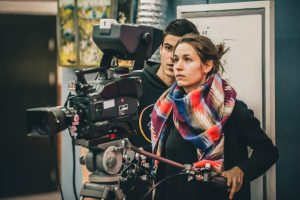
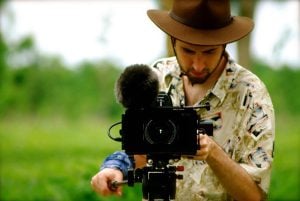
A cinematographer (also called a director of photography, or DP/DoP) is the visual author of a film, series, or video project. They translate the director’s ideas into images using:
-
Camera placement and movement
-
Lens choice and focus
-
Shot size and composition
-
Exposure and color
-
Lighting design and control
If you want a deeper dive into the big-picture journey from beginner to working DP, check out the article “How to Become a Cinematographer” on StudentFilmmakers.com (membership required for full access):
https://studentfilmmakers.com/how-to-be-a-cinematographer/
Cinematographer, DOP, DP, Videographer, or Director of Photography?
You’ll see a lot of terms thrown around:
-
Cinematographer – Often used in narrative, feature, and higher-end work.
-
Director of Photography (DP / DoP) – The formal title on most film and TV sets.
-
Videographer – More commonly used in events, corporate, and one-person-crew environments.
On larger productions, DP and cinematographer are usually interchangeable. On smaller shoots, the same person might:
-
Light the scene
-
Operate the camera
-
Pull their own focus
-
Manage data and exposure
The core difference isn’t just gear – it’s scope and responsibility. A DP is responsible for a whole visual strategy, not just pointing a camera.
Why is a Cinematographer Needed?
You can shoot video with a phone. So why do we still need DPs?
Because cinematography is not about recording reality; it’s about designing how we experience it.
A cinematographer:
-
Shapes mood with light and color
-
Guides emotion with shot size and framing
-
Directs attention with depth of field and movement
-
Supports theme with visual motifs and consistency
Stories don’t just live in dialogue. They live in:
-
A character framed alone at the edge of the screen
-
A handheld shot during panic
-
A slow dolly forward into a crucial reveal
-
Warm light in memories and cooler tones in the present
Without a cinematographer, those choices are random. With a cinematographer, they become intentional storytelling tools.
What Does the Cinematographer Do on Set?
1. Pre-Production: Designing the Visual Plan
Before the camera ever rolls, a DP:
-
Breaks down the script for visual needs
-
Discusses tone, references, and style with the director
-
Helps develop a shot list and storyboards
-
Tests cameras, lenses, and formats
-
Plans lighting, rigs, and special setups
If you want to see how professionals pre-visualize, explore StudentFilmmakers resources and courses that walk through real-world prep and planning:
https://studentfilmmakers.com/courses/
2. Production: Executing the Vision
On set, the cinematographer:
-
Decides where to put the camera and how it moves
-
Chooses lenses and exposure settings
-
Collaborates with the gaffer and key grip to shape light
-
Works with camera team on framing, focus, and operating
-
Adapts the plan to real-world constraints (time, weather, location)
This is where craft and instinct meet — where all those hours studying light, lenses, and blocking become split-second decisions on set.
For inspiration on two-camera setups and film-style shooting, watch:
https://www.youtube.com/watch?v=7y1RuFljn6U
3. Post-Production: Guiding the Final Image
Some DPs stay involved in:
-
Color grading sessions
-
VFX reviews
-
Final look adjustments
They make sure the look they crafted on set survives the post-production process and supports the director’s intent all the way to delivery.
Who Does the Cinematographer Work With?
A cinematographer is at the center of a visual collaboration hub, working closely with:
-
Director – Story, tone, visual language, and emotional beats.
-
Gaffer – Lighting design and implementation.
-
Key Grip – Camera movement, rigging, shaping light.
-
Camera Operator(s) – Physical execution of shots.
-
1st AC / Focus Puller – Critical focus and lens changes.
-
Production Designer – Color palettes, textures, and set design.
-
Costume Designer & Makeup – How fabrics and skin tones render on camera.
Want to see how cinematographers navigate cultural and industrial differences on real sets? Read the StudentFilmmakers interview:
“Working in China: Chinese-American Cinematographer Bing Rao Tells How”
https://studentfilmmakers.com/working-in-china-bing-rao-tells-how/
This kind of real-world perspective is invaluable: it shows not just what DPs do, but how they adapt to different markets and workflows.
How Much Are Cinematographers Paid?
There isn’t one cinematographer salary. It depends on:
-
Country and city
-
Union vs. non-union work
-
Budget level (student film → indie → studio feature)
-
Format (commercials, music videos, episodic, branded content, etc.)
-
Experience and credits
Early on, you might:
-
Work for low or no pay on passion projects
-
Build a reel, network, and experience
-
Level up from short films to better-paying gigs
As you grow, your day rate rises with your:
-
Reliability
-
Reputation
-
Ability to deliver under pressure
StudentFilmmakers’ courses, webinars, and archive give you real-world guidance from working cinematographers on building a sustainable career:
Courses: https://studentfilmmakers.com/courses/
Store (books, back issues, resources): https://studentfilmmakers.com/store/
Cinematographer Skills
Being a DP is a blend of art, technology, leadership, and endurance.
Technical Skills
-
Camera systems (digital cinema, mirrorless, etc.)
-
Lens characteristics (focal length, distortion, bokeh, breathing)
-
Exposure, dynamic range, ISO, codecs, and color spaces
-
Lighting units, modifiers, and power distribution
-
On-set monitoring and data workflows
For example, lens selection radically changes how a scene feels. That’s why StudentFilmmakers hosted the “Lens Selection for Film and TV Production” webinar with Nancy Schreiber, ASC — and captured testimonials and insights here:
https://studentfilmmakers.com/testimonials-lens-selection-webinar-nancy-schreiber-asc-studentfilmmakers/
Artistic & Storytelling Skills
-
Visual storytelling and shot design
-
Understanding of blocking and staging
-
Sense of rhythm, pacing, and visual transitions
-
Control of color and contrast for emotional impact
In an interview on lighting, Uta Briesewitz, ASC advises:
“Watch the world around you, get inspired by it. Memorize these moments when you see ‘light happening’…”
That ability to notice and then recreate natural light is one of a cinematographer’s superpowers. Explore more lighting insights and tips in:
“4 Master Lighting Tips Cinematographers Live By”
https://studentfilmmakers.com/4-master-lighting-tips-cinematographers/
Collaboration & Leadership
-
Communicating clearly with directors and crew
-
Leading camera and lighting teams
-
Managing time and shot priorities under pressure
-
Problem-solving when plans change (they always do)
Business & Career Skills
-
Networking and relationship-building
-
Creating and maintaining a reel
-
Negotiating rates and contracts
-
Understanding how different markets (commercial, narrative, TV, branded) work
How Do I Start Working as a Cinematographer?
Here’s a roadmap you can actually follow:
1. Learn the Foundations — Properly
Don’t just copy looks from social media. Build a real base in:
-
Exposure and metering
-
Three-point lighting and beyond
-
Composition and visual rhythm
-
Camera movement and blocking
You can start that journey inside the StudentFilmmakers ecosystem:
-
Deep-dive membership article:
How to Become a Cinematographer
On-demand courses from top DPs and instructors:
https://studentfilmmakers.com/courses/
2. Shoot Constantly
-
Short films, spec ads, music videos, micro-docs
-
Collaborate with directing, writing, and acting students
-
Treat every project as practice in story first, style second
3. Study Masters – Then Analyze Why It Works
Don’t just watch movies — break them down:
-
How are scenes blocked?
-
Why that lens for that moment?
-
How does lighting shift across the story?
Use StudentFilmmakers’ interviews, webinars, and case studies (like Bing Rao’s piece and lighting articles) as guided study.
4. Learn from Working Cinematographers
Reading and watching is good; learning directly is better.
With on-demand videos from top cinematographers on StudentFilmmakers.com, you can see and hear how real pros think on and off set:
https://studentfilmmakers.com/courses/
5. Build Relationships and a Reel
-
Cut a focused reel (60–90 seconds) that shows your best narrative or commercial work.
-
Join communities, forums, and webinars hosted by StudentFilmmakers to connect with directors, producers, and other crew.
Your career will grow at the intersection of skill + relationships + consistency.
Learn from Master Cinematographers
StudentFilmmakers.com isn’t just articles; it’s a living network of cinematographers and educators.
Here’s how to plug into that:
-
Webinars & Lens Craft
-
Nancy Schreiber, ASC – insights on lens selection and visual storytelling:
Lens Selection Webinar Wrap-Up & Testimonials
-
International Production Insight
-
Bing Rao on working between the U.S. and China, and navigating a transforming industry:
Working in China: Chinese-American Cinematographer Bing Rao Tells How
Lighting Mastery
-
Practical, real-world lighting advice from pros like Uta Briesewitz, ASC:
4 Master Lighting Tips Cinematographers Live By
Courses & Store
-
On-demand video classes from top cinematographers and educators:
https://studentfilmmakers.com/courses/
Books, back issues, and downloadable resources:
https://studentfilmmakers.com/store/
Each of these isn’t just content — it’s a shortcut to lived experience you’d otherwise only get after years on set.
Is Cinematography Hard?
Yes — and that’s exactly why it’s worth doing.
Cinematography is demanding because you’re constantly balancing:
-
Art and physics
-
Emotion and logistics
-
Director’s vision and budget reality
-
Your own taste and the needs of the story
You’ll be tired, you’ll be wrong sometimes, and you will absolutely make mistakes.
But if you stay curious, keep shooting, keep watching the way light hits a wall or a face, and keep learning from people who are further along than you, you’ll grow into the role.
As Storaro suggests, the key is to keep your mind open to possibilities — and StudentFilmmakers.com is designed to keep putting new possibilities in front of you.
FAQ, Q&A – Frequently Asked Questions and Answers
Do I need film school to become a cinematographer?
No. Film school can help, but what you must have is:
-
A solid technical foundation
-
A strong reel
-
A network of collaborators
-
A willingness to keep learning
Online courses, webinars, and real-world practice can get you very far — explore:
https://studentfilmmakers.com/courses/
What camera should I start with?
The best camera to start with is the one you actually use.
-
Learn exposure, framing, and movement on any camera you can access.
-
Upgrade over time as your projects and budgets grow.
Your eye matters more than your sensor.
How do I practice if I don’t have a budget?
-
Shoot short scenes with friends or classmates.
-
Recreate shots from movies using available light and practical lamps.
-
Volunteer on student films or micro-budget sets to gain experience.
You’re practicing decision-making, not just hardware operation.
Where can I keep learning after this article?
Make StudentFilmmakers.com your cinematography home base:
-
In-depth article: How to Become a Cinematographer
-
Webinars and live learning: check event listings and archives
-
On-demand courses: https://studentfilmmakers.com/courses/
Books, back issues, and tools: https://studentfilmmakers.com/store/
Your Journey is Just Beginning
Cinematography is infinite in its possibilities — and that’s the fun part.
Immerse yourself in learning, keep watching how light behaves, keep shooting, and plug into communities and resources that support your growth.
StudentFilmmakers.com is here for exactly that:
to help you grow from curious beginner to confident cinematographer, one frame at a time.