By Megan Harr
Author, TV writer, producer and director Miellyn Fitzwater Barrows talks about writing, producing and working in television in the digital age.
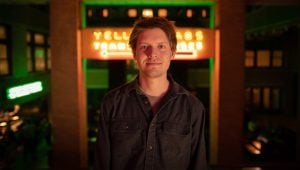
Miellyn Fitzwater Barrows is an accomplished author, television writer, television producer and television director. As a producer, Barrows has provided creative input and supervision, working closely with other talented individuals including work on two Emmy winning seasons of “A Baby Story.” Through maintaining her reputation as a valuable asset to any creative team, Barrows has secured prominent projects to add to her resume. She suggests, “being known for being on time, under budget, and drama free opens a lot of doors.”
What is your writing process as it pertains to your work as an author, director, and television producer?
Miellyn Fitzwater Barrows: Honestly, it’s almost impossible to understand a writer’s process. It’s a black art. We don’t even know exactly how it happens. I like to sit down and read or watch all the source materials or research and then let it sit for some time before I actually start writing. Once I let it marinate long enough, the ideas just start pouring out. I can sit down and churn out concepts or scripts on the spot if necessary, but I prefer to take my time. The longer I let it sit, the better it tastes.
Being a producer or a director is all about being organized, prepared, being able to adapt to changes quickly without losing your cool, and making a decision and sticking to it until you know for sure that it isn’t working. Self doubt doesn’t work. I often find myself making choices among equally good options, and I don’t let myself get bogged down in the decision making process.
When did you first realize that you had an artistic talent?
Miellyn Fitzwater Barrows: I’ve always been artistic. I’ve drawn and written stories as long as I can remember. My mother, Judy Fitzwater, is a novelist with nine books published and my father has multiple degrees and is an avid book collector. My sister and I grew up telling stories to each other. I was always the kid who carried three extra books, just in case. I also have always had this superpower of being able to identify actors in movies and TV. I watched way too much TV as a kid. I majored in English with a Concentration in Creative Writing and a minor in Theatre in college. We made ridiculous terrible indie movies, some of which I wrote. I acted in most of them and usually did wardrobe. It was great practice. I learned to do a lot with nothing.
When I graduated, I thought I wanted to work in film, but I wound up getting a job at a post house working on their National Geographic Television account. I moved from there to a job at National Geographic, then on to TLC, and from there I became a freelance writer and producer. I tried to be smart and amazing at my job in hopes that people would notice. They did.
How closely do you work with others in editing film and discussions about the aesthetic components of what drives a film and helps keep the narrative moving forward?
Miellyn Fitzwater Barrows: As a producer, I supervise every part of the process, from the concept all the way through the sound mix and making sure it ships. I usually hand my editors a script, have them choose the shots, and then we sit down and fine tune it together. My husband is an editor and we dissect everything we watch from a television commercial to a major motion picture. I love our DVR. We rewind and pause live TV all the time. We are always analyzing what works, or doesn’t work, and why. It definitely makes us better at our jobs.
How has the digital revolution either benefited your line of work or caused some shift? Initially was there some resistance towards emerging technologies?
Miellyn Fitzwater Barrows: The digital revolution has made my job so much easier. It used to be that you would have to make a VHS tape of the promo or show you were working on and courier it over to the person who would need to approve it. Now we can email quick-times and get a response back in minutes.
Having access to my email through my smart phone is also crucial so if someone needs something, I’m available. It might sound like that would tie me down, but it actually frees me. If I’m not booked on a job one day, I don’t have to sit home on my computer. I can book jobs from anywhere at any time. If I need to, I can work anyplace from a coffee shop to the beach. If I have a wi-fi connection or cell service, I’m in business. I haven’t had any trouble with emerging technologies, but I am a huge tech nerd. I’ve seen other people struggle with it, though.
Are most scripts put together in editing different than what the screenwriter originally calls for? Who decides upon these changes?
Miellyn Fitzwater Barrows: My quick turnaround work, like topical promos, come out pretty close to the original script. I get the script approved before going into edit, so if everything goes well, we shouldn’t have major changes in the approval process.
For higher profile work, I like to play with the flow of the piece in post. I make sure my editors have a lot of input on shot choice and music and so he or she may suggest something visually that I hadn’t thought of before. Graphics can also impact a piece in unexpected ways. When I’m shooting something scripted, often I tend to make changes on the fly. If a comedy bit isn’t working, I’ll re-write on set or collaborate with the actors. You can’t be afraid to throw out something that doesn’t work.
Has traditional film language remained the same, or has the technology become so sophisticated that there’s a difference in the way that film-industry workers speak about filmmaking?
Miellyn Fitzwater Barrows: On set terminology hasn’t changed so much, but what it’s referring to is quite different. We still say “speed” and “rolling” even when it’s digital. I think you get into newer terms when working in post. One of my major network clients has gone completely tapeless. They receive shows on drives and “push” files to their uplink facility for air. It’s changing all the time. It can be a challenge to keep up with the processes when the networks are still figuring it out.
The mediums of writing for theatre, television and film are different. Yet, they encompass a common denominator. All need a good story. Technological training aside, creative expression becomes the manifestation of the producer, director, and writer’s vision – which is propelled by a desire to portray a compelling dialogue. Whether that story be relayed via television, theatre, or film is irrelevant in that to each, plot must prevail.
Related filmmaking guides
- 7 advanced screenwriting tips
- 40 basic plot points for a feature film
- How to write a short film script
Keep learning filmmaking
Want more lessons like this? Join StudentFilmmakers free for live webinars with working pros, and stream on-demand filmmaking classes in cinematography, directing, screenwriting, sound and post.