Filmmaking Safety Tips and Quiz
Take the Quiz after Reading the Article
Ensuring safety on a movie set is a multifaceted task that involves various aspects, from managing the environment and equipment to ensuring the well-being of the cast and crew. One crucial aspect of this is managing the use of weapons on set, an element that is frequently encountered given the common use of weapons in filmmaking. Because of this frequent use and the inherent risks involved, it is paramount to stress the importance of weapon safety as a starting point for a broader conversation on overall safety measures.
Real guns, prop guns, and even unloaded guns can pose a significant risk if not handled properly. It is highly recommended to use prop guns and knives whenever possible as they are designed to be safe for use on set. Prop guns, for example, cannot fire live ammunition and are often equipped with a bright orange tip to indicate they are not real firearms. Similarly, prop knives and swords are usually made of rubber or plastic and are blunt, reducing the risk of injury.
However, if real weapons must be used for any reason, several crucial steps must be taken to ensure safety. A licensed armorer or trained professional should always be on set to handle the firearms. This person is responsible for maintaining the firearms, loading and unloading them, and handing them to the actors. The armorer should always confirm that the gun is unloaded before handing it to an actor and should always point the firearm in a safe direction. Actors should be trained on how to handle firearms safely, which includes never pointing the gun at anyone, even if it is unloaded, and always treating the gun as if it were loaded.
For real knives or swords, the blades should be dulled to prevent injury. Actors should also be trained on how to handle the blades safely, which includes never swinging them in the direction of another person and always handing them to another person handle first. It is also important to rehearse scenes involving weapons thoroughly to ensure all cast and crew members are comfortable and aware of how the weapons will be used.
Overall, while it is always recommended to use prop guns, knives, and swords on a movie set, if real weapons must be used, it is crucial to have trained professionals on set, provide thorough training to the actors, and rehearse scenes involving weapons carefully to ensure the safety of all involved.
As we delve into various other facets of safety on a movie set, starting with weapons safety underscores its importance and sets the stage for a comprehensive approach to ensuring a safe environment for everyone involved. Following is a list that will cover all facets of safety, starting with weapons, as it is crucial to address the most immediate risks first.
- Pre-Production Safety Planning
Before starting, have a safety plan. Identify risks and hazards at your location and plan for them. It’s crucial to have a clear idea of all the potential dangers you might encounter during shooting. If you’re filming in a forest, know the wildlife, terrain, and weather. Plan for storms or fires. This is important because an unexpected storm or fire could not only ruin the set and equipment but also pose a significant threat to the safety of the cast and crew. - Carry Out a Risk Assessment
List possible risks and plan how to avoid or deal with them. For instance, if using pyrotechnics, assess the fire risk and plan safety measures like having fire extinguishers ready. This is important because without a proper risk assessment, you might not be prepared for accidents that could cause injuries or damage to equipment. - Manage Safety Hazards
Deal with tripping hazards, secure cables, and place fire extinguishers and first aid kits throughout the location. For example, secure cables with gaff tape and place cones near tripping hazards. This is essential as tripping over cables can lead to serious injuries and disrupt the shooting process. - Proper Equipment Handling
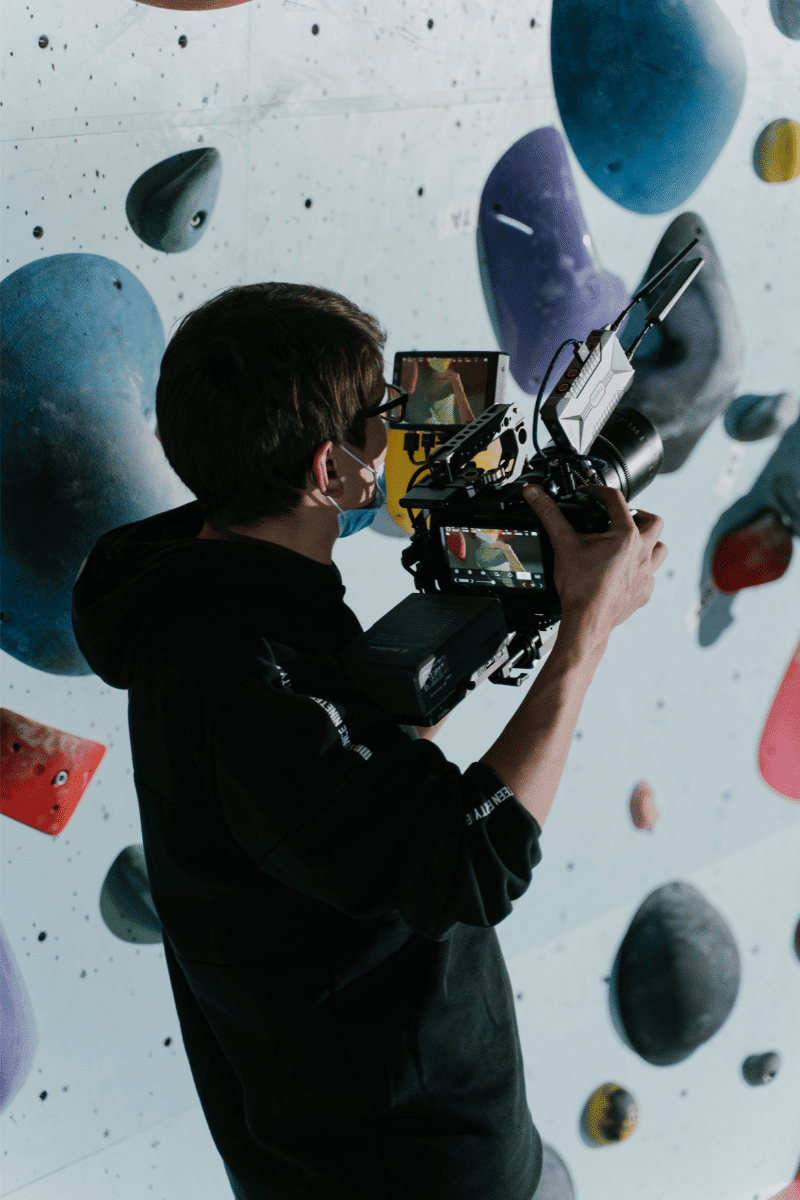
Only trained and approved crew should handle, set up, or break down equipment. A crew member should be trained before operating a crane or camera. Improper handling of equipment can lead to accidents, damage to the equipment, and delays in production. - Hold Regular Safety Meetings
Review safety procedures, reinforce equipment handling importance, and ensure everyone knows where important safety equipment is. For example, have daily meetings to remind the crew about the location of fire extinguishers and first aid kits. Regular reinforcement of safety procedures ensures that safety remains a top priority for everyone on set. - Proper Cord Management
Store or use cords safely to avoid accidents. Properly tie or tape down cord lines. This prevents tripping hazards, which can lead to injuries or damage to the equipment. - Wear Closed-Toe Shoes
Wear professional and practical attire to safely navigate gear, wires, and hazards. For instance, wear closed-toe shoes to avoid injuries when navigating gear and lifting heavy equipment. In a busy environment like a film set, it’s easy to accidentally drop equipment or step on sharp objects. - Proper Use of C-Stands
Ensure everyone knows how to properly set up and break down C-stands. Train the crew on handling C-stands correctly to avoid accidents. Incorrect handling of C-stands can lead to accidents, such as lights falling over, which can cause injuries or damage to the equipment. - Dress Practically and Professionally
Wear functional yet professional clothes. For example, wear clothes that allow free movement without snagging on equipment. This is important because clothes that snag on equipment can cause accidents, damage to the equipment, or interruptions in filming. - Never Assume The Camera Is Safe
Always check the camera and its mountings. Double-check camera mountings to avoid accidents if someone forgets to secure them. A camera falling off its mountings can cause significant damage to the camera and potentially injure someone on set. - Stick to a Schedule, Take Breaks
Follow a schedule and take regular breaks to avoid fatigue. Schedule short breaks every hour or two for rest and rehydration. This is important because fatigue can lead to mistakes, accidents, and decreased productivity. - Proper Equipment Training
Ensure everyone is trained and comfortable using equipment. For example, ensure the boom operator knows how to properly handle and operate the boom microphone. Improper handling of equipment can lead to accidents, such as the boom microphone falling and injuring someone or damaging other equipment. - Fire Safety
Always have fire extinguishers on hand and ensure everyone knows where they are and how to use them. For example, have fire extinguishers accessible and ensure the crew knows how to use them if shooting a scene with pyrotechnics. This is crucial as a small fire can quickly turn into a large one if not dealt with promptly. - Electrical Safety
Be careful with electrical equipment. Avoid overloading circuits, and ensure all cables and wires are properly insulated and secured. For example, do not plug multiple high-wattage lights into a single outlet to avoid a circuit overload. Overloaded circuits can lead to fires, which can cause injuries and damage to the set and equipment. - Proper Footwear and Clothing
Wear appropriate clothing and footwear for the location and activities planned. For example, wear sturdy shoes with a good grip if filming on rocky terrain. Inappropriate footwear can lead to slips and falls, which can cause injuries and disrupt filming. - Stay Hydrated and Take Breaks
Stay hydrated and take regular breaks as filming can be physically demanding. Schedule short breaks every hour or two for rest and rehydration. Dehydration and exhaustion can lead to mistakes, decreased productivity, and health issues. - Safe Use of Props
Be careful with props, especially if they are heavy, sharp, or potentially dangerous. For example, use a rubber or plastic prop knife instead of a real one if a scene involves a character wielding a knife. Using real knives or other dangerous props can lead to accidents and injuries. - Be Aware of Your Surroundings
Always be aware of your surroundings and any potential hazards. For example, be aware of oncoming traffic if filming near a road. Lack of awareness can lead to accidents, such as being hit by a vehicle or stepping into a dangerous area. - Proper Lifting Techniques
Use proper lifting techniques when moving heavy equipment or props. For example, bend your knees and use your legs, not your back, when lifting heavy camera or lighting equipment. Incorrect lifting techniques can lead to back injuries and other musculoskeletal problems. - Communication is Key
Ensure clear communication among all crew members. For example, use walkie-talkies or a clear hand signal system to communicate across the set. Lack of clear communication can lead to misunderstandings, mistakes, and accidents. - First Aid Kit
Always have a first aid kit on hand and ensure at least one person on set is trained in first aid. For example, have a designated first aider on set who knows how to treat minor injuries like cuts or burns. Quick and appropriate first aid treatment can prevent minor injuries from becoming more serious. - Respect Weather and Environmental Conditions
Consider the weather and environmental conditions when filming. For example, cover and protect all electrical equipment properly if it is raining. Ignoring weather and environmental conditions can lead to accidents, equipment damage, and health issues for the cast and crew.
Safety should always be the top priority on any film set, regardless of the size or scale of the production. From the pre-production safety planning, proper equipment training, and handling, to fire and electrical safety, proper clothing, hydration, prop use, awareness of surroundings, proper lifting techniques, communication, first aid, and respecting weather and environmental conditions, it is crucial that every aspect of safety is carefully considered and planned for. Special attention must be paid to the use of potentially dangerous props such as guns, knives, and swords, with a strong preference for using prop versions of these items whenever possible. If real weapons must be used, it is of utmost importance to have trained professionals on set, provide thorough training to the actors, and rehearse carefully to ensure the safety of all involved.
Disclaimer: This guide provides a comprehensive overview of some of the most important safety considerations for filmmaking, but it is not exhaustive. Filmmaking involves many variables and potential risks that may not be covered here. It is essential to conduct a thorough risk assessment for each specific production and consult with professionals to ensure a safe environment for everyone on set. This guide should serve as a starting point for creating a safer filmmaking environment but does not replace the need for professional advice and training.