by S.D. Katz
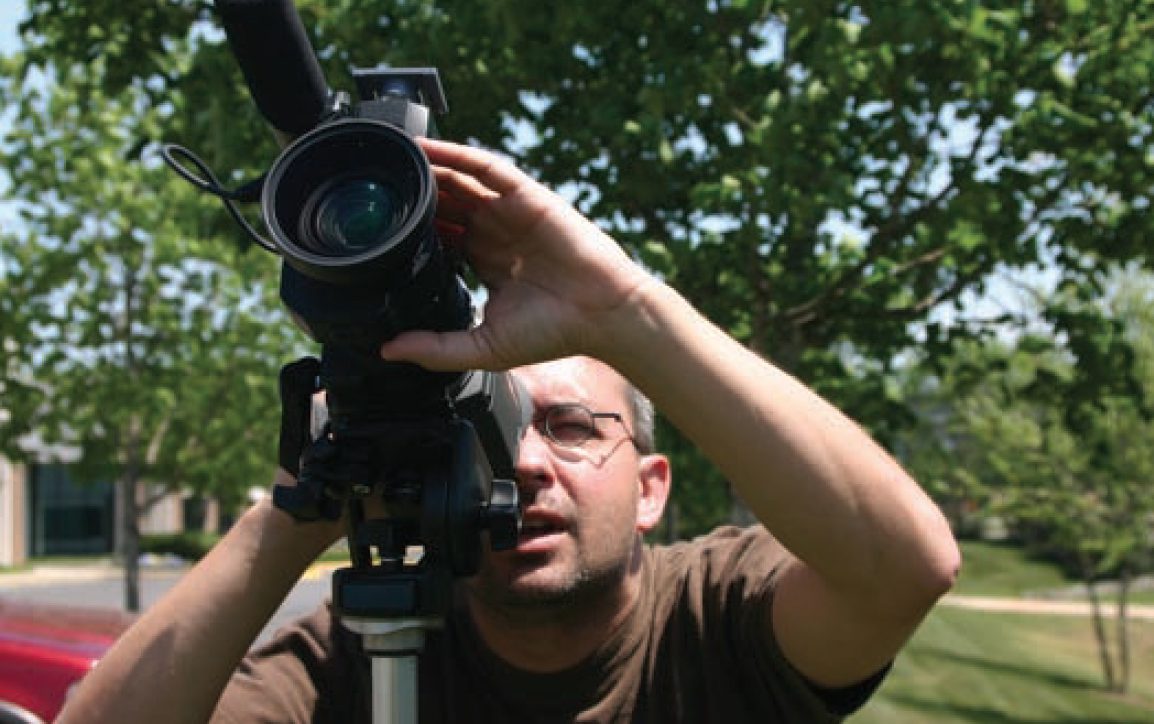
Now that MiniDV and HDV make shooting and dropping the footage into a timeline a very simple routine there is no reason not to keep a digital sketchbook. Painters and draftsman have always kept notebooks of quick studies from life or the imagination and writers often collect files of ideas for plots, phrases, incidents or experiences that intrigue them. These fragments are not ends in themselves, they are the side effects of the process of making art.
One of the reasons some new filmmakers tense up as a shoot approaches is that they are not comfortable with their craft. Craft is the sum of your ability to stage action, compose shots and edit sequences and have some understanding of the results before they happen. Not in the sense that the results are canned, but rather, that you can shape the process or the outcome with meaningful results. Chance is part of the process, mistakes are often fortuitous, accidents can be wonderful, but somewhere in the chaos an artist is present asserting a point of view. So your craft is a dramatic sense, or a sense of composition or pacing, or all of these. Craft develops by doing.
Filmmakers Need to Practice Too
Musicians practice. Scales, repertoire, rehearsal—all those things. What do filmmakers do? Well, you could be shooting your thoughts, moments, moods, riddles—anything that makes two consecutive shots more powerful then the same shots separately. These don’t have to be official projects. In fact, you will probably work more freely if they’re not.
Free for members
Sign up free to keep reading
It’s free and takes less than 30 seconds. You’ll also get our Interstellar issue free, and a community of filmmakers sharing their work.
No credit card. Continue with Google or your email.