By Robin Canfield
Short trips leave little time to earn a subject’s trust. Documentary maker Robin Canfield explains how the right local guide gets you into the interview.
Telling a good story in a documentary requires knowing intimate details about your subjects. Convincing those subjects to give out those personal details, to you or an audience, can be near-impossible unless you have months to spend building up a relationship.
In the last several years I’ve been around the world making brief trips to work on short documentaries about local changemakers. Organizations working to help impoverished peoples, refugees without homes, individuals with serious diseases, families who have lost daughters to sex trafficking – sensitive topics that people don’t exactly open up to others about, especially foreigners who don’t speak their language.
Sometimes they won’t even open their door in the first place. That is where a Gatekeeper comes in.
A Gatekeeper is someone that knows your subject and the people involved. They can help translate if needed. They can let you know, “we’re safe in this neighborhood, but shouldn’t go two blocks East because that’s someone else’s territory.” A Gatekeeper can point out when your ignorance of local custom is alienating your subjects. Most important to your story, a word from your Gatekeeper gives you an “in” with a would-be interviewee, and can get you in through a door that may have never opened at all without them.
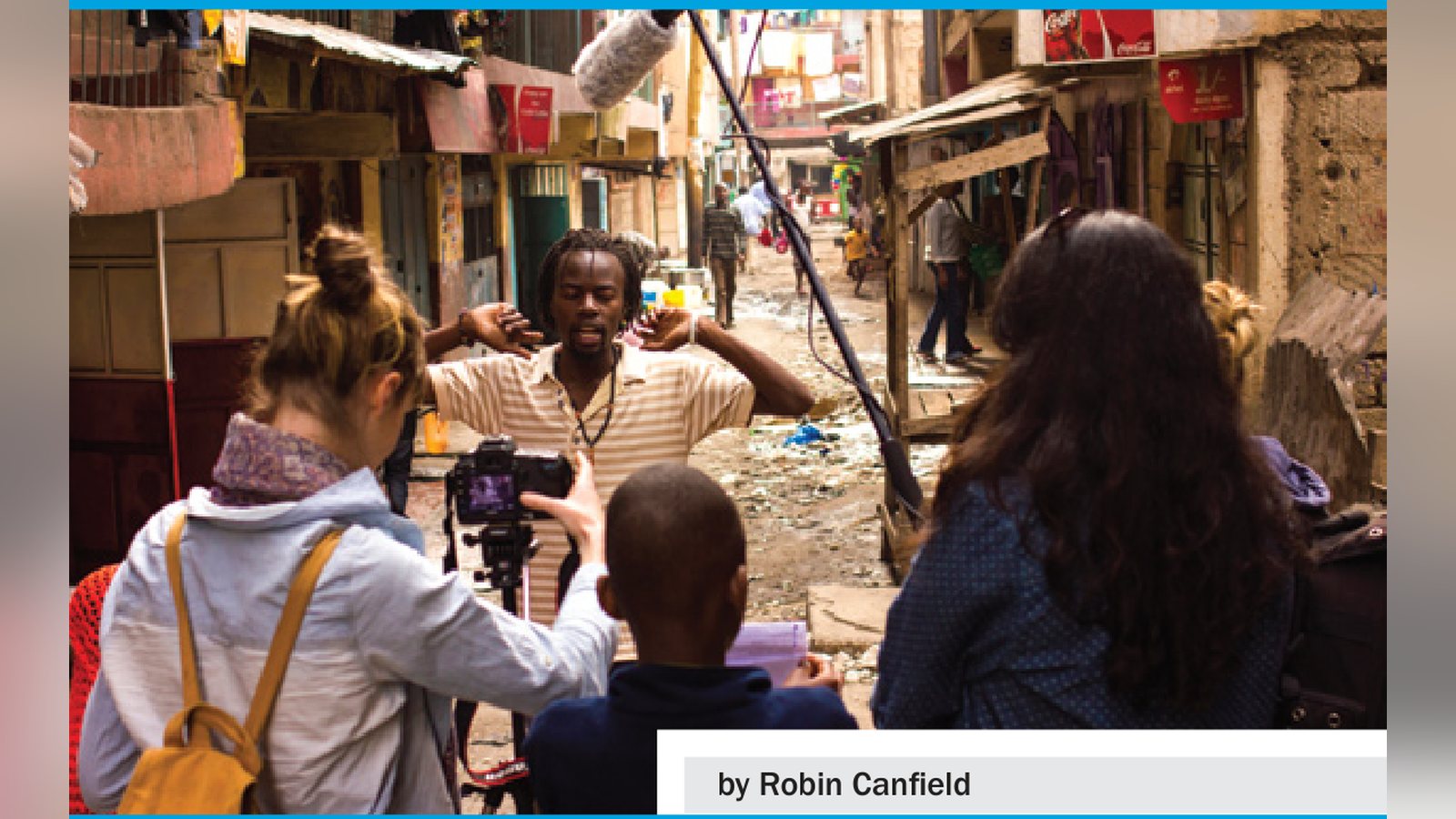
Albert Nashon is a prime example. He leads an organization called SlumCode Kenya and is an outspoken man that knows everyone in his neighborhood, Haruma. The crew had free reign there to film in the alleys and along the streets. When it came time to go beyond those two blocks for an interview, Albert arranged for a pair of local boxers to join the group for protection. In part the men came because they thought it would be exciting – several quiet hours later they learned the boring truth.
The crew got lucky with Albert – he was an ideal Gatekeeper even if he didn’t know the term. Albert knew where the crew should go, helped get them talking to the right people, and also introduced the crew to the man who would become the main subject of the documentary, “Hustle Smart.”
Unless your documentary is about your best friend or your mother, a Gatekeeper will benefit your film. Even if you know the ins and outs of the story and all they can add is another reassuring voice asking a subject to open up for the camera, it’s worth it to have them there.
Say you know that you want to make a documentary about the homelessness you have observed in your city but aren’t sure where to start. You need someone connected in the local world of homelessness you are planning to explore.
Where do the homeless stay? Perhaps a local shelter can suggest a guide to you.
There may a city official tasked with working with the homeless who might have suggestions.
An internet search can lead you to aid organizations that will want to help you.
Reporters who have covered local homelessness issues may know just the people you need to talk to.
Some homeless in the area may know who to speak to, or one may be the Gatekeeper you are looking for.
You should be planning to talk to many of these subjects and resources already. It’s a matter of knowing to ask for the right kind of help, the right kind of guide early on. When it comes time for that crucial interview they got you in the door for, with their familiar knowledge they might even have a question you would never think to ask.
Keep learning filmmaking
Want more lessons like this? Join StudentFilmmakers free for live webinars with working pros, and stream on-demand filmmaking classes in cinematography, directing, screenwriting, sound and post.