By Leonard Guercio
So many HD options can freeze a filmmaker. Leonard Guercio explains how to choose the production and post-production path that fits your project.
The growing number and variety of HD solutions can have an immobilizing effect – delaying us from choosing the appropriate production and post-production paths we need to suit our purposes. And indecision, as we’ve learned from Shakespeare’s Hamlet, may prove to be a fatal flaw. It’s important to adapt to the continuing changes in media technology in order to stay in the game and be relevant.
So Many Choices… So Little Time
Because current video standards are evolving relatively quickly, many people are feeling skittish about making significant HD equipment purchases. After all, no one wants to spend cold hard cash on hot but short-lived technologies. At Media Trade shows like NAB, CES and others, one can feel a palpable longing throughout the media community for the kind of stability associated with dependable standard technology products like BetaSP tape or a reliable Bolex 16mm film camera. This is especially true in many Colleges and Universities where capital expenditures must be made carefully, with an eye on purchasing equipment that will present students with the same tools they will use once they go into the workplace. At Temple University’s School of Communications and Theater, we’re trying to accurately forecast technology trends as we make the effort to smoothly, yet gradually implement HD technologies into our curricula. However, making these difficult decisions is not an option but a commitment to growth and change. In an attempt to frame these decisions in practical perspective, here below are some ideas to consider before making HD investments.
Making A Start
So where to begin among so many exciting possibilities? The first thing to do is to relax, step back, look at the big picture and get your bearings as you analyze what is available. Don’t fight the technology current; find a way to go with the flow. Since there is no one solution that will work equally effectively for everyone, think about what your needs are and what you can afford. The key is to figure out how to use the new tools to satisfy your storytelling needs and the requirements of your audience.
Using the Right Tools for the Job
Even though the number of HD camera and editing solutions continues to grow and improve, at Temple we are still committed to teaching and acquiring images on film – the original and still unsurpassed HD acquisition medium – as long as it is widely used in the industry. From film, images can be telecine-transferred to any of the current and foreseeable HD video apertures. Once film as an acquisition medium becomes untenable, we will most likely replace our film cameras with high-end HD cameras like Sony’s CineAlta and Thomsons’s Viper.
However, as a way to start acquiring images in HD, we’ve decided to begin our transition from NTSC by purchasing several entry-level camera solutions. Our first investment was in 5 Sony HDV cameras that record 60 interlaced fields of video in 525 lines and 1080 lines of resolution. This choice enabled us to gradually move to HD but still have the flexibility of finishing in standard definition video. Even though the Sony cameras do not have a very useful 24p mode, they are a very good choice for our documentary, newsgathering and experimental video courses.
Toward A Hybrid Solution
To create true 24p video that emulates the film look, we have purchased the Panasonic HVX-200 cameras, the HD successor to their legendary DVX-100 NTSC camera. For our three TV studios, we are considering replacing the bulky old studio cameras with the smaller and lighter 1080i Canon XL H1 – the HD successor to their XL1 & XL2 models. The XL H1 will serve multiple purposes, including ENG, documentary and reality TV production. Its genlock feature will enable us to synchronize settings using multiple cameras. The XL H1’s SMPTE in/out timecode allows for streamlined tape and edit management. With plans under consideration to transform our large TV studio into a convergent Film/HD Cine facility, complete with software to create virtual sets, the XL H1’s Cine controls and 24fps option will help us achieve high production value on low budget productions.
Putting It All Together
Just as the advent of DV revolutionized video editing, the new HDV and HD codecs for the major non-linear editing systems represent yet another phase in the development of HD as the new standard for television and video productions. Avid XPress Pro, Final Cut Pro HD, Adobe’s Premiere Pro, and other NLE software applications continue to add HD functionality into their editing applications. With the new HD codecs, we all need to learn the new workflow paths – so it’s important to adapt and stay current. The best way to do this is to work on new projects where you will have the opportunity to learn to use these tools.
The Future of HD
Safe data storage and reliable archiving continue to be a serious concern, especially for HD assets. Although film may be on the road to obsolescence, if stored properly, it boasts a life expectancy of 100 years. Videotape, because it is made of magnetic oxides, has an estimated life expectancy of 20 years or more. Tapeless solutions like Direct-to-Edit hard drives and DVD’s have already begun to supplant videotape for data storage and archiving. However, using these changeable media for archiving purposes is not a very practical long-term solution. Finding a sensible archiving standard now seems to be HD’s Holy Grail. It is safe to assume that an acceptable archiving standard will soon emerge simply by virtue of the overarching need for it. Although no one can accurately predict the future, we can expect the continued development of HD to be like any good adventure story: exciting, full of ups and downs, twists and turns, yet always full of hope and anticipation – just like a good movie.
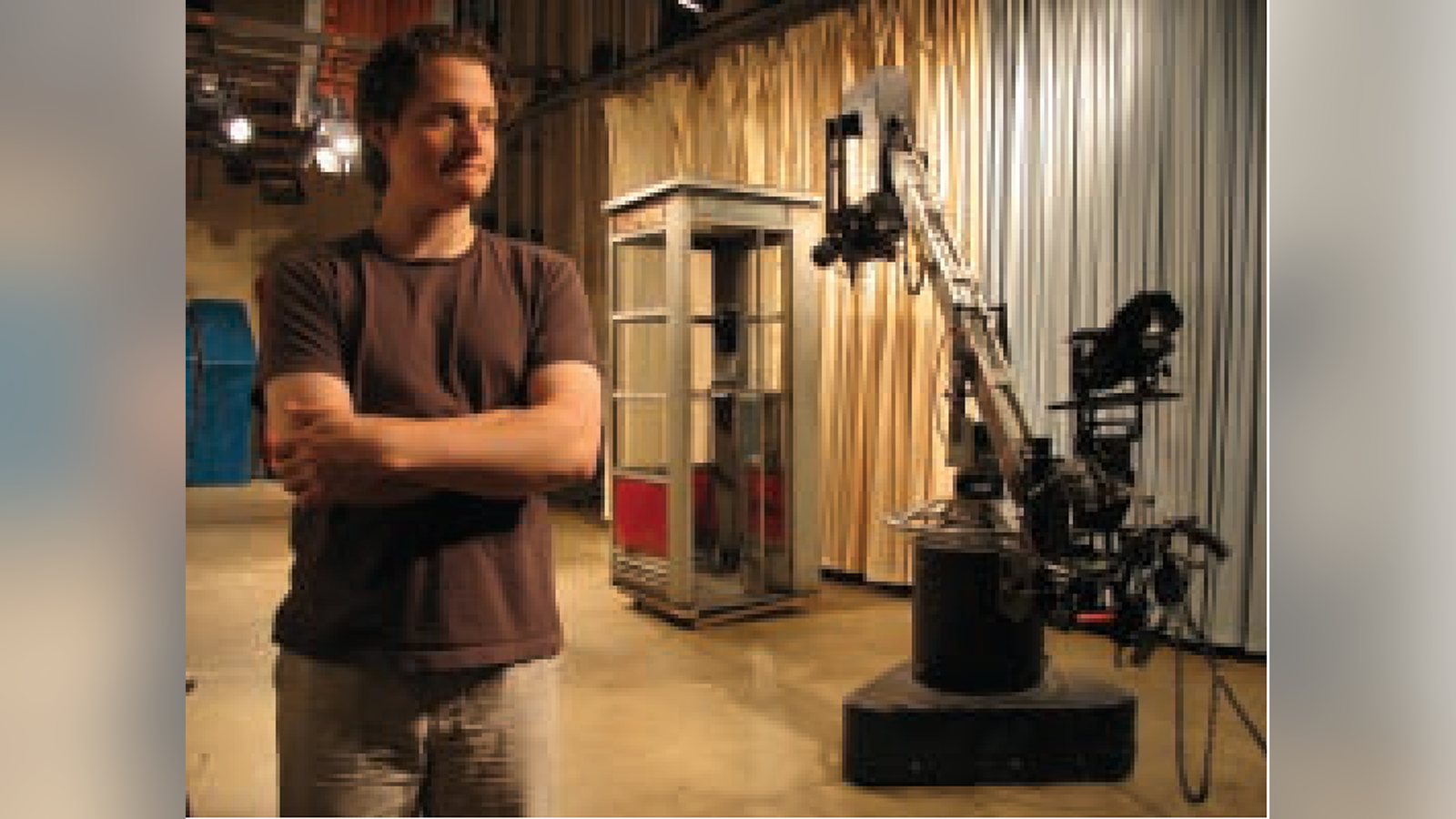
Leonard Guercio is an independent filmmaker and an adjunct film professor at Temple University in Philadelphia.
Related filmmaking guides
- What does a cinematographer do?
- How to become a cinematographer
- Camera angles in film: a beginner’s guide
Keep learning filmmaking
Want more lessons like this? Join StudentFilmmakers free for live webinars with working pros, and stream on-demand filmmaking classes in cinematography, directing, screenwriting, sound and post.