How to Find and Work with a Composer
Communicate Across the Languages of Film and Music
By Alison Plante
As a film student, you probably learned something about directing, cinematography, screenwriting, editing, maybe even sound. But there’s one area of filmmaking which, though often central to the storytelling, is not taught in film school: Music! This is for a good reason, since years of music study are required before a composer can write a credible film score, so that one area is taught in music schools. The challenge that arises from this reality is that many filmmakers don’t know how to find a film composer who will be a good fit for them, and once found they may be at a loss as to how to work with them. The good news for those of you who find yourself in that situation is that on the other side of the fence are a lot of film scoring students eager to score your films, and you can both learn together the nuances of how to communicate across the languages of film and music.
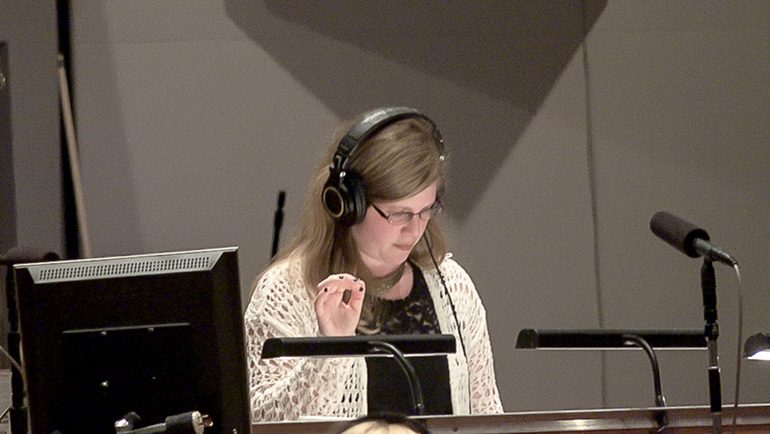
First, how to find these students: there are a number of reputable film scoring programs that have arisen over the past decade or so, in addition to a few programs with a longer lineage. At Berklee where I teach, for example, there is a Bachelor of Music degree in Film Scoring that goes back 40 years, and also a brand new, online Master of Music degree that is about to celebrate its first graduating class in 2021. You can reach out to student groups at any of these programs and find eager collaborators – or contact a department chair or faculty member for advice on how to reach their students. Some programs, like Berklee’s, also offer opportunities to apply for a score through an online “gig board” or dedicated web form.
Once you have found a composer to work with, there are several steps you can follow, often but not always in this order:
- Agree on a concept for the score. This often starts with a conversation to make sure the composer fully understands your vision for the film. It’s best to talk to the composer in dramatic terms, rather than trying to translate your story ideas into music (that’s their job!). The composer might then write one or more musical ideas, often realized with virtual instruments (known as a “mockup”) so you can get a clear idea of what the final music might sound like. The process of arriving at the final overall sound for your film might take some back and forth, so don’t feel as though the first demo presented by a composer is something you’re stuck with if it’s not working: giving additional feedback at this stage will make the rest of the scoring process all the more smooth.
- Sign a deal memo and/or contract. Music has its own set of copyrights (a topic for a future column, perhaps) and to legally use it in your film you need at least a simple contract with the composer. For student films and other low budget projects, I recommend agreeing on a license, where the composer grants you the right to use their music (both the music itself and the recording of it) rather than transferring the copyright to you entirely. You should at least discuss the rights arrangements before starting the score, and a simple, plain-English deal memo outlining your agreement can be enough to get started while you work out final contract details if needed.
- Have a spotting session. This is best done once you have locked picture (that is, no more timing edits are anticipated). In this important meeting you’ll go through the whole film with the composer, “spotting” where the music should start and stop for each cue, and what purpose it will serve in each scene. The composer (or a music editor, if you have one) will take detailed notes to make sure you’re on the same page.
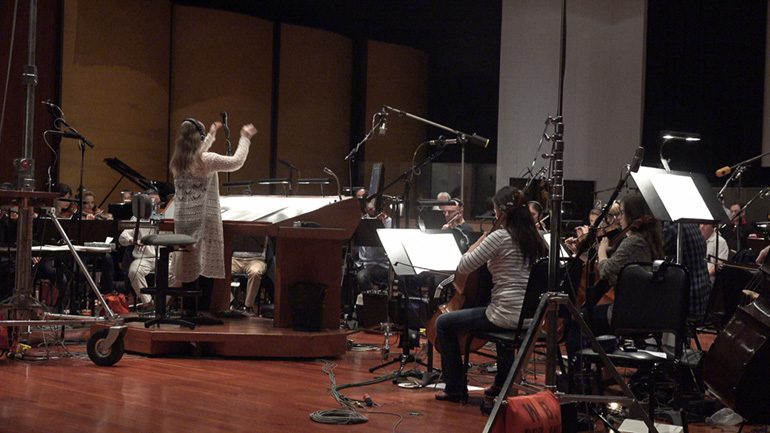
- Iterate on the score. The composer will send you mockups of cues as they’re written, and you can go back and forth with revisions to those as needed until you give final approval (though, try to keep the number of revisions to a reasonable level since it does take the composer a lot of time to write and produce each cue!). Once approved, the composer can hold a recording session for any live players required, and do a final music mix. Remember that once a live session has taken place the music is much more difficult to change, so it’s important that any approvals you give to cues are final if at all possible.
- Score delivery. Once all the music is mixed the composer will deliver audio files to you or your sound team for the final sound mix (also known as the dub). The composer isn’t always present at the dub, but if not there should be someone there, like a music editor, who can represent the music in the dub.
I hope that this brief outline is helpful in getting a great score for your films! Please feel free to reach out to me with any questions.
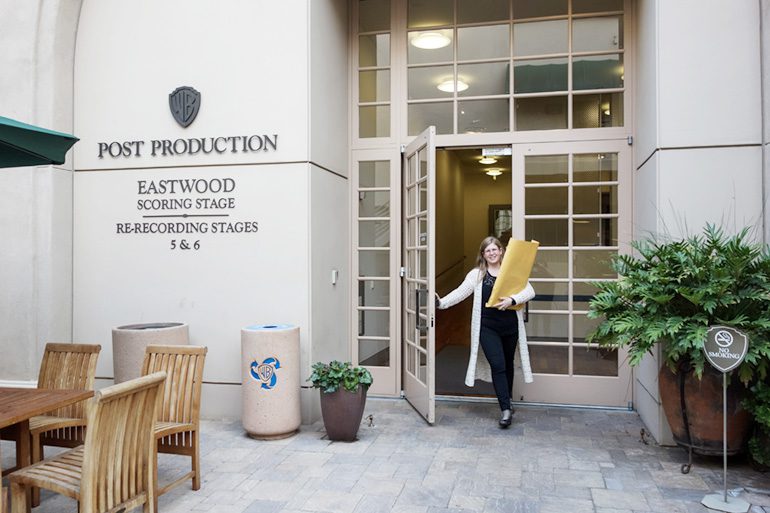

 Alison Plante is Professor of Film Scoring at Berklee College of Music and Program Director for the Berklee Online MM in Film Scoring. She plays keyboard and wind instruments and sings, performed in a Gamelan for three years, and has conducted both orchestra and choir. Her composition honors include the Janet Gates Peckham International Award for Excellence in the Arts and the Olga and Paul Menn Foundation Prize for an original literary or musical work. Her scoring credits include seven educational television series for the Annenberg Channel; History Channel specials, “Bible Battles” and “Aftershock: Beyond the Civil War”; documentary features “American Meat” and “Farmers For America”; national TV spots, trailers, and corporate identity music for Duracell, Kodak, Sodexho, Spalding Sports, W.B. Mason, GMAC, Animal Planet, the National Geographic Channel, and the Pan Mass Challenge, among others. Other credits include live action and animated shorts, theater (with a specialty in puppetry), and multimedia museum installations for the Smithsonian Institution and the Harvard Museum of Natural History.
Website: www.treblecove.com
Email: [email protected] or [email protected]
Social Media: LinkedIn, Facebook, Instagram, Twitter