By Pamela Douglas
Opportunity is spelled television. Writer and teacher Pamela Douglas explains why today’s TV series make it a great time to write for television.
Opportunity is spelled TELEVISION because today’s TV series are:
1. T = Timely
TV is fast. If you’re on top of your writing craft and can deliver a script quickly, you’ll be able to deal with what’s happening in the world and on your mind right now. Current subjects – our hopes, fears, and pressing issues – reach your viewers with immediacy. You’ll also have the satisfaction of seeing your work on screen mere weeks after writing “The End.”
2. E = Energized
Excitement and a sense of exploration infuses much of TV. Long gone are the days when TV was limited to 3 networks with their predictable and imitative shows. Of course they’re still around, as are some mind-numbing series and reality shows that are “cheap” in every sense of the word. But anyone entering TV today can find new outlets on cable and new media, and a hunger for fresh material. Despite the dross that also fills the airwaves, a sense of growth abounds.
3. L = Long
Never mind the half hour or hour length of episodes. TV series offer the largest story-telling arena in history. Successful shows may have 100 hours of characterization and plot development and some shows have gone on for more than a decade. Compared to TV, ancient Greek plays that lasted for several days are what we’d call mini-series.
4. E = Entertaining
The audience for television shows keeps growing despite doomsayers who thought new media would wipe it out. That’s because people want to be entertained in their homes by fare they can relate to. At the end of a hard day or in hard times, people want to kick back and watch effective stories told with casts they care about.
5. V = Vigorous
The amount of writing and production needed each television season is difficult to grasp if you include all the venues – basic cable, premium cable, internet, mobile, web and other off-broadcast shows, as well as local and international projects. And behind what is visible on screens are armies supporting each venture including multiple staff writers and writers who are creating pilots for new series. People who work in television have to work hard to keep up, and that’s a sign of the potency of the medium.
6. I = Internet-savvy
All current shows have applications online. These may include webisodes, mobisodes, interactive games, blogs, fan-sites, graphic novels, a social networking presence and anything else you can imagine. Beyond the advantage of staying in touch with viewers and promoting their series, the expanding online presence creates potential jobs: someone has to write all that. As the line between TV and computer screens continues to dissolve, and both TV and Internet delivery systems cross-pollinate, both will continue to grow.
7. S = Salable
The market for theatrical feature scripts has shrunk and many former financial sources have backed away from independent films. But excellent TV pilots that are professionally crafted are launching writing careers and occasionally being bought for new series. For those who approach filmmaking as a personal art form, or who have the funds to make their own movies, a career writing TV series may not seem appealing. For everyone else, TV is the place to work.
8. I = Innovative
Any genre that has ever existed in any time or place can be found among a thousand TV channels. Beyond the plethora of choices, creative reinterpretation is challenging prototypes on HBO, Showtime, AMC and elsewhere.
Franchises like western, medical, legal and family dramas are new again in attitude, narrative style and characterization. Though the re-hashed action-hero tropes that are familiar in big movies do still appear in places like the Syfy channel and on some network shows, the general trend is towards extending and bending old franchises.
9. O = Omnipresent
In 2010, the debut of AMC’s series The Walking Dead was seen simultaneously in 120 countries in Europe, Latin America, Asia and the Middle East, carried in 35 languages. Meanwhile Americans viewed the show across all platforms including on-air, online, on demand and mobile. That doesn’t even count subsequent DVDs or web streaming. And that’s just one show, and only on basic cable. Around the globe, the most-watched show is House. Law and Order is being made in many languages throughout Europe. Currently, China is re-making Little House on the Prairie into Little Yurt on the Prairie. No kidding. So if you as a writer really want to reach people, TV (with its internet apps) is the way.
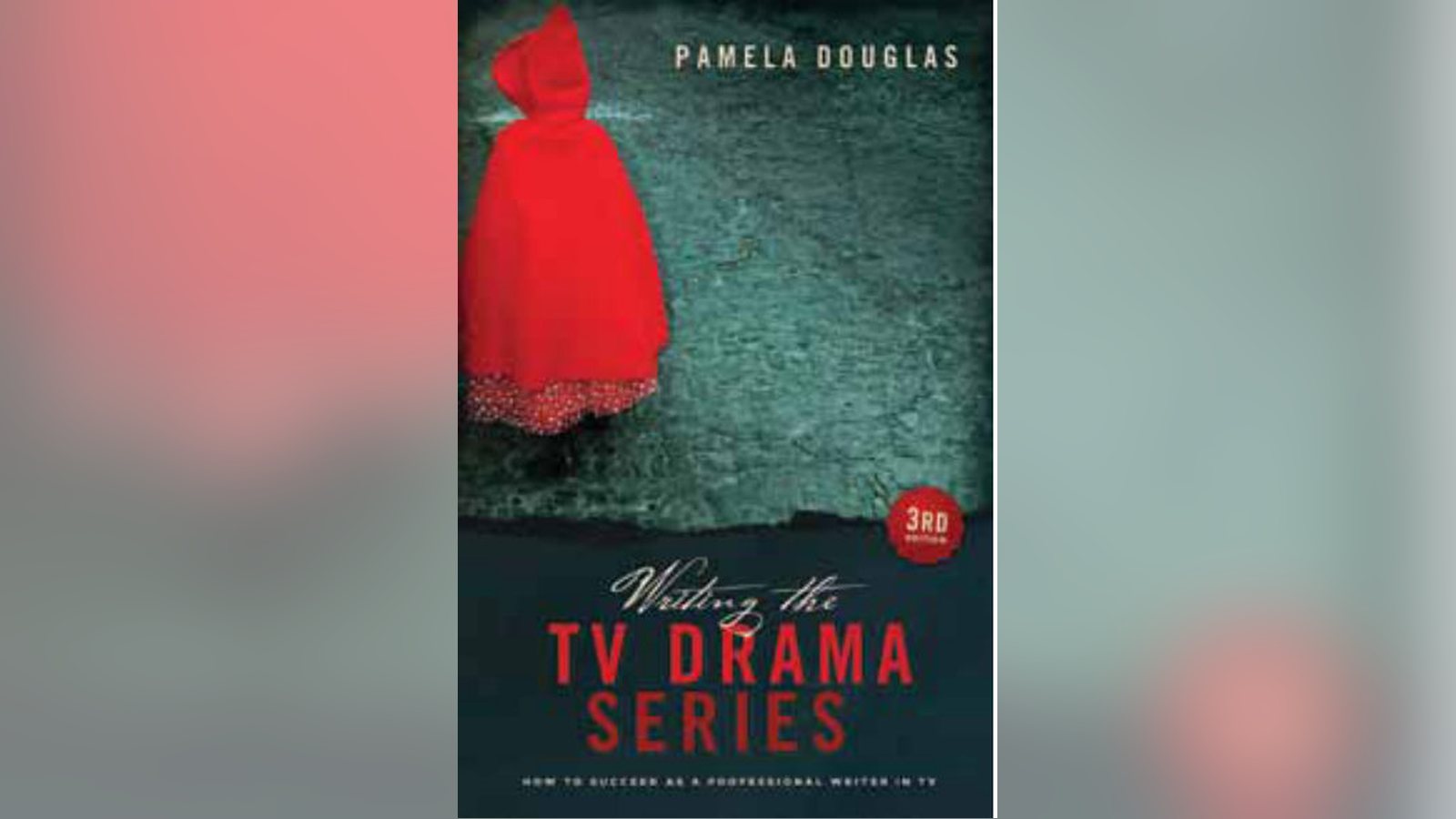
For ground-breaking, insightful literature, the most innovative stories and characters, the largest reach, and the bravest content in shows like The Wire, this is the time to write for TV. More opportunities exist than ever before because of the multiple outlets and the need for product. First, polish your craft. Then if you have contemporary stories to tell, the time to go for it is now. Pamela Douglas is the author of “Writing the TV Drama Series,” now in its Third Edition. She has numerous screenwriting awards and nominations including The Humanitas Prize, the Writers Guild of America, American Women in Radio and Television, and Emmys. She has been a member of the Board of Directors of the Writers Guild of America, and is a tenured professor in the USC School of Cinematic Arts.
Related filmmaking guides
- 7 advanced screenwriting tips
- 40 basic plot points for a feature film
- How to write a short film script
Keep learning filmmaking
Want more lessons like this? Join StudentFilmmakers free for live webinars with working pros, and stream on-demand filmmaking classes in cinematography, directing, screenwriting, sound and post.