By Sam Kauffmann
Editors value screening a rough cut. Sam Kauffmann explains how to run a work-in-progress screening, ask the right questions and use the feedback.
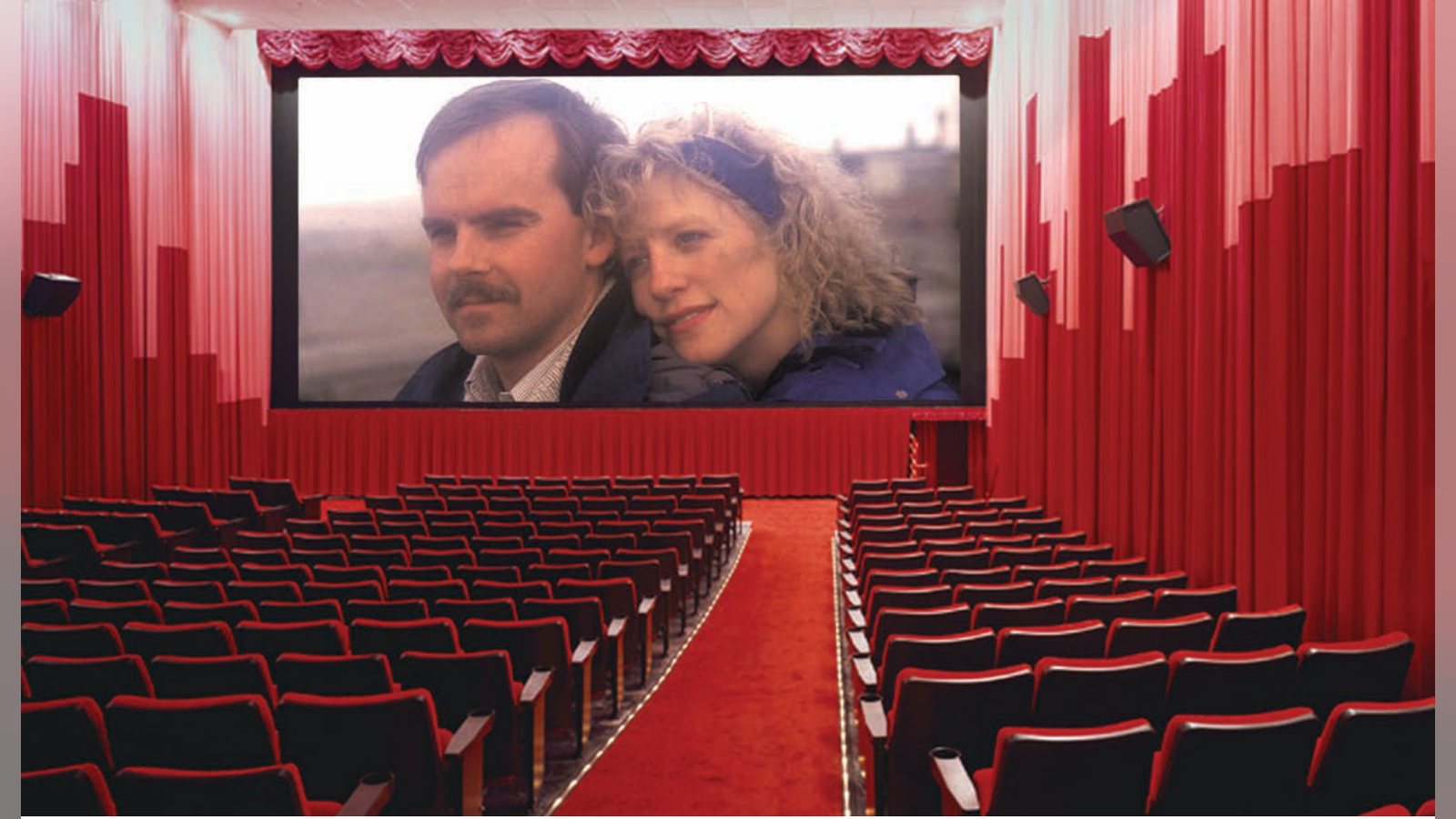
Most editors place a high value on screening their work while still editing it. Call it a rough cut or a fine cut screening, but whatever name you give it, it’s a screening of your work in progress. You’ve spent a lot of time and energy cutting the material; you’ve given it your very best, but usually you’ve been working in a vacuum. What you’re looking for now are fresh eyes and ears. You want an audience (it can be one or two people, or a classroom full of students) to tell you what’s working and what isn’t. Nothing teaches you more about your work than screening it in front of an audience. Sometimes screenings are painful, sometimes they are exhilarating, and always they are useful.
Being Your Own Projectionist
Before your audience arrives, get the screening room ready. Even if it’s just a computer screen and two speakers, make sure everything is just right. Are the speakers on? Are they set at the right level? Are the sightlines good, or will someone have an obstructed view. What about the ambient light? Can you pull a shade to make it darker? By closing a window, will the traffic noise diminish?
If you’re screening your project in a classroom, get into the classroom ahead of time and make sure everything is ready to go. Do you need to render any titles or effects? Perhaps you’ve been editing on a computer using headphones, and now it’s going out over loudspeakers. Do you need to boost your sound levels?
You’re going to have a lot of screenings in your career, and you will need to wear a new hat—that of a professional projectionist. That’s true if you’re screening a work in progress or holding a premiere at a local theater. I’ve screened my films all over the world, and I’ve learned many painful lessons; the most important being: if you want it to go smoothly, you have to get deeply involved before the screening. You have to arrive at the theater early and do a sound check, so the sound level is right. You have to check out the lighting to make sure the screen is uniformly bright. Sometimes you even have to correct the focus. Believe me, it’s worth it. If you don’t do it, it may work out fine 8 times out of 10, but chances are, there will be that one screening when the sound is too low or the focus is soft, and you’ll kick yourself for not checking it out ahead of time.
Grilling Your Audience
Whenever possible, I like to start off small, with an audience of just a few people. I like to split my attention between the audience and the screen. Usually if something isn’t working, I know it by feeling the attention (or lack of attention) the audience is giving to a particular section. After you’ve screened the footage, start your inquiry as wide as possible, and then work toward the specific. Take notes! If the audience members aren’t all that forthcoming, ask them questions. How did it work? Were you confused about what was going on? What emotion did it evoke? If it’s a narrative piece, you might ask about the actors’ performances. Which actor did they like best? If you’re working on a digital machine, like an Avid, you can quickly go to any section to review it. If your project is over ten minutes long, there’s probably a lot to talk about in terms of structure, pacing, character development, and dramatic tension. With a shorter film or classroom assignment, you can probably move on to an analysis of specific editing problems. At this stage you’re trying to find places where your audience tripped over things that didn’t work.
If you’re lucky, the audience will give you feedback that’s right on the money. Something like this:
Audience member:
When the main character searches the desk, pretending to look for the letters, I didn’t like the cut from the master shot to his close-up.
You:
Why not?
Audience member:
It was confusing. Once you cut to the close-up, I couldn’t see what he was doing.
That’s specific. Or someone might say that she thought a cut seemed awkward, or an actor remained on the screen for too long before you cut to the next shot. More times than not, especially if your audience knows nothing about video or filmmaking, they won’t tell you what tripped them because they honestly don’t know. In those instances, you have to play detective and figure out what’s going wrong. It’s not easy, but it can be rewarding. I’ve often found that when people who don’t know much about editing say something doesn’t work, the problem isn’t always where they think it is; it’s usually before that.
If they can’t tell you what is bothering them, but they feel a bit confused, I suggest you slow down the beginning by holding the shots onscreen for a bit longer. Make sure the audience is grounded at the start. Once they know who’s doing what, then you can speed things up with quicker cuts.
Retail-Ready Discs
Whatever you do, don’t argue with your audience. You might be the expert on the project you’re cutting, but they’re the experts on their feelings about it. If they criticize your work, and point out shortcomings, it’s human nature to be defensive. I’ve never met anyone who liked being criticized. But if you argue with them, you’re missing the point of the screening, which is to learn what is working and what isn’t. You don’t have to take any of their suggestions. If you think they’re way off base, so be it. Toss out your notes and find another audience. But if the second audience gives you the same feedback as the first, then obviously something isn’t working.
Sometimes you leave a screening embarrassed. The suggestions were so good you feel embarrassed that you didn’t see the problems yourself. Other times, you feel grateful because you identified a problem, know how to fix it, and can’t wait to get back to work. Then there are the times when you realize there are lots of problems and it’s depressing to think how far you have to go. Those are the days when, if possible, you take the afternoon off and go for a long walk. Once in a while, people will pat you on the back, shake your hand, and tell you it’s brilliant. But unless you get raves from everyone, you’ll probably head back to work, fix the problems, and try to schedule another screening with another group with fresh eyes and ears.
Developing Thick Skin
This test screening process should be repeated at least three times for a short and twice as often for a feature. Yes, it can be painful, but it’s much better to endure the pain now, when you can fix the problems, then later on, when it’s out in the world and getting rejected by festivals or excoriated by the press.
These sessions can be invaluable, if you take the criticism to heart. They can be a waste of time if you ignore what your teachers, friends, and loved ones have to say. Develop a thick skin now; learn to learn from these screenings. Soon, you’ll get the applause you’ve earned and a chance to raise high your share of gilded trophies. Sam Kauffmann is the author of Avid Editing: A Guide for Beginning and Intermediate Users from Focal Press. He’s an award-winning filmmaker and teaches film production and digital editing at Boston University. www.samkauffmann.com
Related filmmaking guides
- Top video editing software for students
- ADR: automated dialogue replacement explained
- The power of sound in film
Keep learning filmmaking
Want more lessons like this? Join StudentFilmmakers free for live webinars with working pros, and stream on-demand filmmaking classes in cinematography, directing, screenwriting, sound and post.