Thursday, November 19, 2026 Articles, courses and aA global community for film and video makers. Join free →

Scriptwriting for Film, Television and New Media with Alan C. Hueth

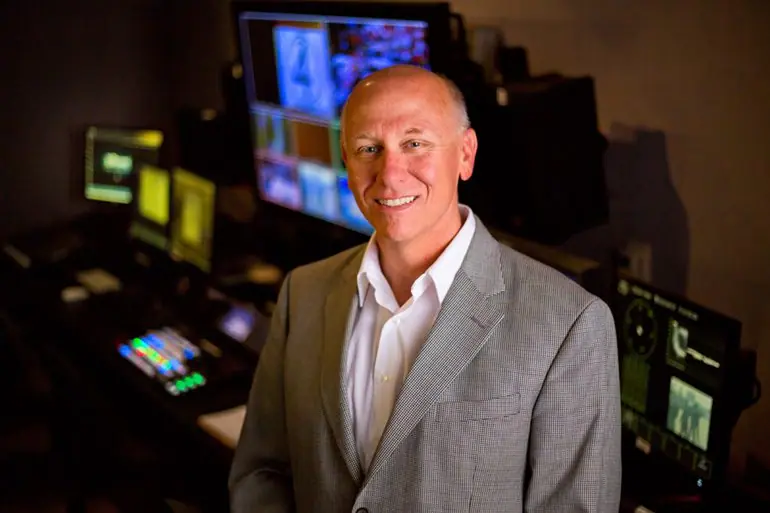
“Early on in my TV and film production career, I was a “one-man-band”—a common phrase describing one who was doing it all. I quickly discovered that the most important component of my projects was the script, and a bad script leads to a bad project. But over time (and getting a master’s degree in scriptwriting), I discovered that great TV and film scripts of all kinds are based on two basic fundamental components that were identified/created in the 4th century B.C.: pathos and the elements of drama. With that in mind, here are my tips for all those interested in becoming a script writer for film and television.”
~ Alan C. Hueth

Scriptwriting for Film, Television and New Media with Alan C. Hueth

StudentFilmmakers

What are the most challenging aspects of crafting screenplays?

Alan C. Hueth:

  • Knowing and creating the “triune nature” of the main characters — THE foundation for the most important component of great screenplays: conflict.
  • Knowing and remembering that screenwriting (film and TV) is all about eliciting emotion (“pathos”) in the audience. And the vehicle for achieving that is the six elements of drama: character, plot, diction/dialogue, theme/thought, melody/music/sound FX, spectacle-setting-visual FX, etc.
  • Taking the time to write a logline, synopsis, and a treatment or step-outline …all of these things invite self- and other- feedback and correction about the characters and story BEFORE writing the first draft of a script.
  • Not making the words in your script your “babies” – where you protect them like a lioness protects her cub. Get a “thick skin” because your work will be critiqued, and there will be rewriting….be ready to accept positive feedback (criticism) of your work from people who are a lot smarter than you and have the wherewithal to pay you for writing the script and/or am willing to turn your script into a real film.

StudentFilmmakers Magazine: What are some common mistakes new screenwriters should avoid?

Alan C. Hueth:

  • NOT DOING those “challenging aspects”/activities (above).
  • NOT LEARNING how to write other scripts for TV (e.g., documentaries, commercials/PSA’s, news, corporate media, etc.) and/or short films. It’s highly likely that it might take a while to get that first feature-length screenplay contract and $$$. This other stuff can put bread and butter on the table. By the way, my book will prep you to write all of these other scripts too!

 StudentFilmmakers Magazine: What was one of the most important things you learned while working on a script?

Free for members

Sign up free to keep reading

It’s free and takes less than 30 seconds. You’ll also get our Interstellar issue free, and a community of filmmakers sharing their work.

No credit card. Continue with Google or your email.

Comments are closed.

About Us

StudentFilmmakers.com is where creatives grow. Learn filmmaking, connect with industry pros, and access tools, contests, and inspiring educational resources.

Screenwriting: 17 Scene Reversal Ideas

Screenwriting: 17 Scene Reversal Ideas

Photo by Tina Vanhove. | | Follow Instagram @tina_vanhove   Written By Sherri Sheridan   Almost every scene in your film should have a reversal ...
Read More →
The Close-Up Lens with a Split Personality

The Close-Up Lens with a Split Personality

By Ira Tiffen Ira Tiffen explains the split-field diopter, a close-up lens with a split personality that keeps near and far subjects sharp in the ...
Read More →
Inside Story: What Works in TV and Why

Inside Story: What Works in TV and Why

By Jennifer Grisanti Story consultant Jennifer Grisanti looks at the TV shows that draw strong audiences, what works in their stories and how writers can ...
Read More →

Sign up for our Newsletter

Discover exclusive access to free webinars, hands-on workshops, and cutting-edge insights into emerging technologies and workflows. Sign up with the form above to stay ahead in the fast-evolving world of filmmaking.

Scroll to Top