
Written by David K. Irving
The classroom itself has become a series of faces-in-squares. Framing, lighting, wardrobe, and eye contact are all important elements of the virtual classroom. After all, the newest word in the English language is Netiquette. It is your call as to how you want to present yourself. Some like casual dress; others prefer a more formal look. The camera is at the top and center of your computer. All participants can make eye contact. It is difficult to stare at the camera all through class, but an occasional look into the camera will go a long way to accent connectivity. One advantage of on-line classrooms is that everyone, including the instructor, is in the front row.
On-Camera Class Sessions
During the on-camera class session, there are a number of issues teachers and students should be aware of to make the class work effectively. Be mindful of Zoom fatigue. A four-hour class doesn’t have to be four straight hours of class time. Between screenings, breakout groups, regular breaks, consultations and office hours, there are ample tools to bring variety to the class period.
With students in various time zones, participants need to be mindful of how to ensure each student has access to the course content. If possible, arrange a time for the class that can accommodate as many time zones as possible. In some cases, the class should be a recorded class to ensure that students can view the class, especially those who cannot be accommodated by the time you offer.
Tips for Teachers
For teachers, be the last one to press the “leave meeting” button. Students may want to hang around and ask questions, just like they do in a physical classroom. And make use of your office hours to encourage one-on-one engagement with students.
Learning by Making Films
Studying films, filmmaking, and filmmakers provide a grounding in the craft. But there is no substitute for learning by doing. Each film one makes, from short class exercises to feature films, develops necessary skills and adds useful tools to your toolbox. I once shot a film in the Indian Ocean never having shot on a boat before. After the shoot, I became somewhat of an expert on everything from reef passage to keel depth, and the baroclinic neap tides of the Mozambique Channel.
Making a film, any film, is a series of hurdles. Making a good film is even more of a challenge. Making a good film during COVID has proved to be the ultimate obstacle course. Advanced level production courses at colleges have been paused while basic film production classes have thrived. How have these classes persisted?
Firstly, by stimulating the can-do spirit of all filmmakers. Secondly, by asking students to use their own gear, whether it be a DSL or cell phone. Adding a FiLMiC Pro app to their phone affords every student the semblance of a film camera. Thirdly, by accenting the advantages of limitations.
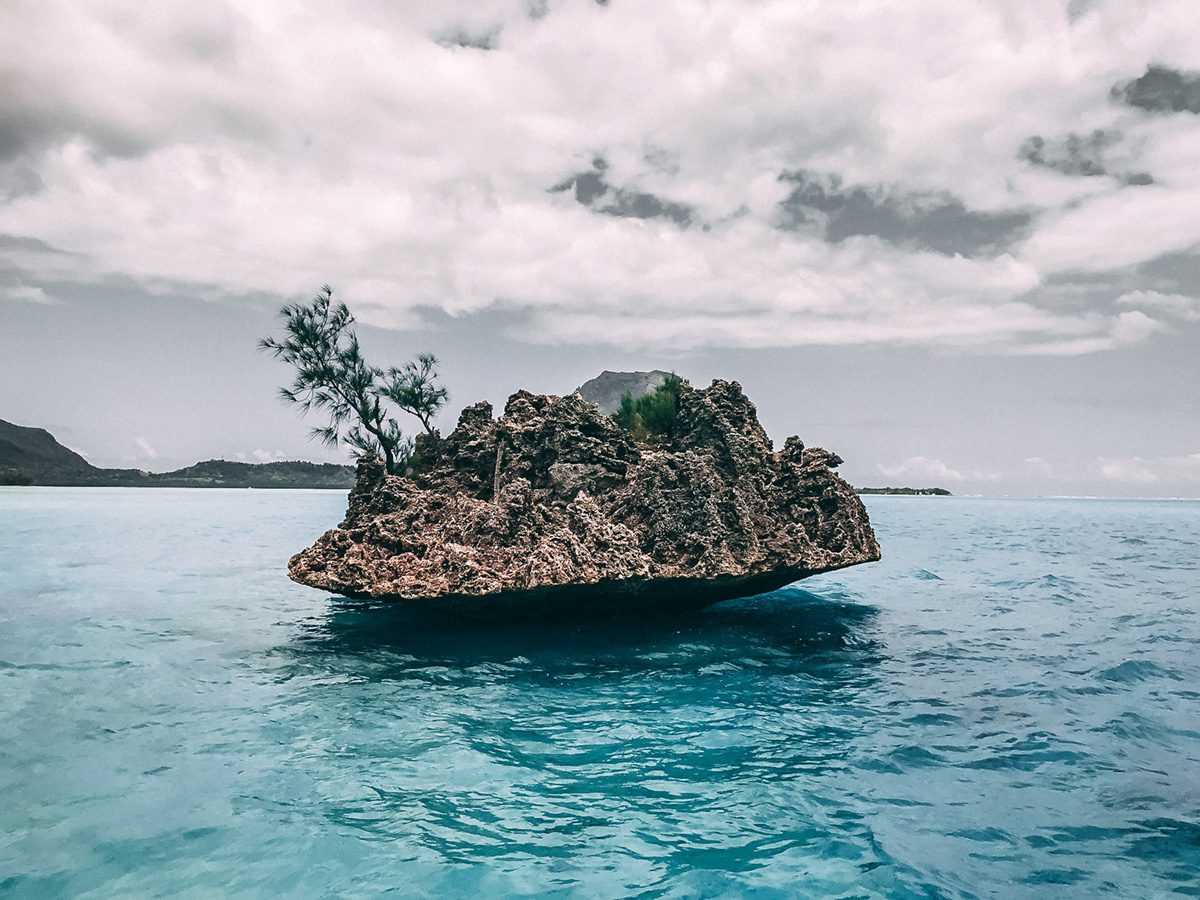
“Indian Ocean.” Photo by Guillaume Baudusseau | guillaumebaudusseau.com | @gbaudusseau
 David K. Irving is currently an Associate Professor and former Chair of the Film and Television program at New York University’s Tisch School of the Arts. David has directed six feature films and dozens of documentaries. David is the co-author of the award-winning textbook, “Producing and Directing the Short Film and Video.”