(Article published in StudentFilmmakers Magazine.)
How to Use Camera Framing as a Storytelling Tool
Reinforce the Intention of Your Scene
By David Landau
Framing as a Storytelling Tool
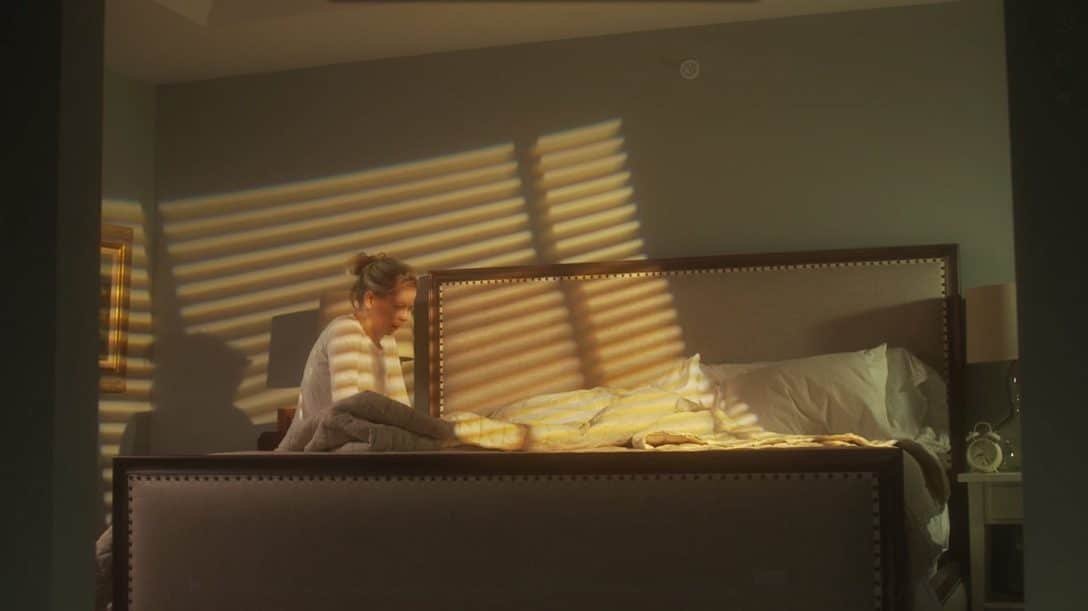
Camera framing is a great storytelling tool which doesn’t require a big budget – just some consideration and planning. When used creatively, the framing of the image and subtle camera movement can subliminally reinforce the intention of the scene and enhance the dramatic moment. To illustrate, I’ll use some shots from the new web series I’m presently shooting, “The Other F Word”, written and directed by Caytha Jentis. This is a show about four fifty-something women going through mid-life crises and empty nest syndrome.
An Example Scene
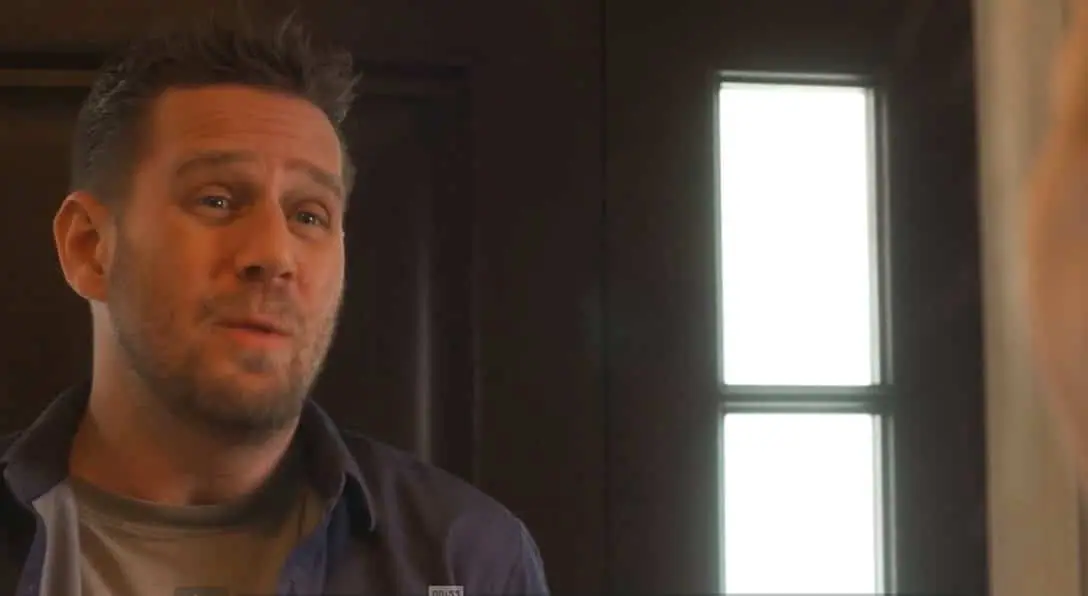
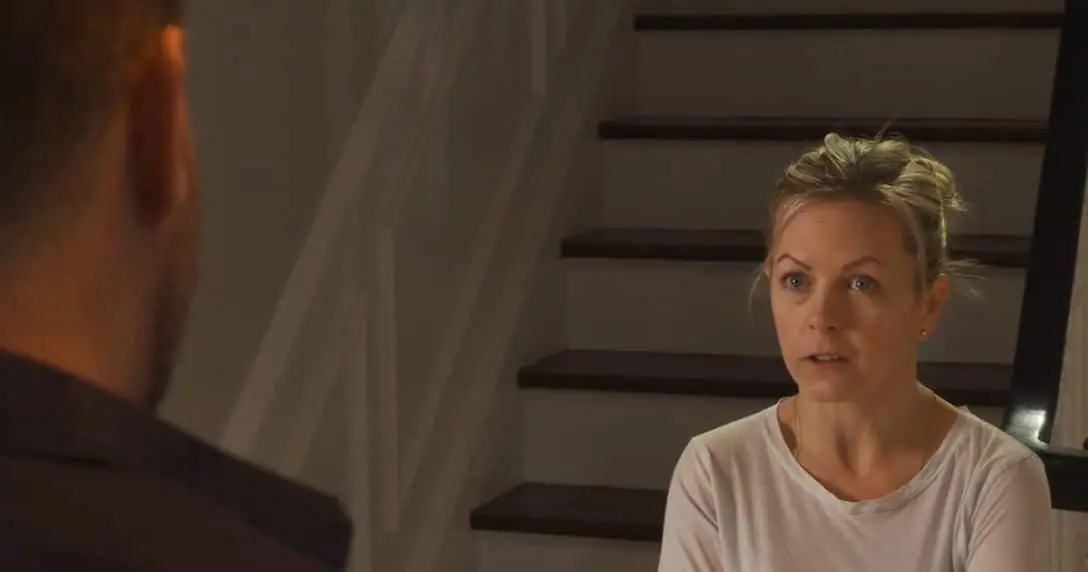
In the second episode, Amy, the main character, is told by her husband Steve that he’s going off to join the peace-core to “find himself” for a year. As he stands at the front door with his backpack, about to leave, he and Amy have an awkward goodbye conversation. At the beginning of the 1 ½ page scene the camera shoots Amy over Steve’s shoulder, but slowly drifts widening the gap between them literally on screen. The framing never loses the staircase behind Amy that leads back to her normal suburban life. The reverse shots of Steve are from over Amy’s shoulder, but here the drifting camera never loses the door behind Steve and the burned-out windows on one side of the door – a visual reminder that he is exiting, going off into oblivion. The slow drift of both cameras provides both a literal and subliminal indication that they are drifting apart, while their backgrounds reveal what is in her past and in his future.
Free for members
Sign up free to keep reading
It’s free and takes less than 30 seconds. You’ll also get our Interstellar issue free, and a community of filmmakers sharing their work.
No credit card. Continue with Google or your email.