By Anthony Q. Artis
Interviews look simple but aren’t. Anthony Q. Artis explains how to brainstorm questions, set ground rules, warm up your subject and run the interview.
Interviews are a staple of documentary projects. Interviews seem simple enough to the novice docmaker… You simply point a camera at some interesting person, pop off a few questions, and they will elegantly tell their personal life story with emotion, depth, concise detail and in logical order. The reality is that a good interview involving personal subject matter requires some careful thought, planning, social skills and even a dose of psychology. A great interview is a lesson in the art of eliciting a story from your interviewee. Not just any story, but their story. Told in their own words, but in a manner that is focused, engaging, and has a clear beginning, middle and end.
Brainstorm & Write Out Your Questions
How will you actually get your subject to talk about or explain the topic at hand? Don’t just wing it the day of your interview. Think about and write out your questions in a logical order. If you have thoroughly researched your subject, this part is easy. I recommend brainstorming and writing down every question that anyone might possibly want to know about your subject or the topic, then going back to identify the questions that most pertain to the goal(s) of your interview. Once you’ve identified the key questions, put them in a logical order that will help your subject narrate a story with a beginning, middle, and end.
These questions are now your “map” to guide your subject through a successful interview. However, don’t stay married to them, because you really want your subject to be free to tell you the story in their mind. These written questions are just to help you keep things focused in the right direction if the interview gets too far away from your goals or skips over vital parts of the story at hand.
- PLAN AND WRITE OUT YOUR QUESTIONS IN A LOGICAL ORDER AS A GUIDE MAP TO HELP YOU KEEP THE INTERVIEW FOCUSED.
The Questions
The type of questions you ask will largely determine the quality and depth of your interview. Avoid asking leading questions or questions that can be answered with a simple yes or no. Remember, you want your subject to paint the picture, not just color in your preconceived lines. Leading questions are okay as follow-ups to your main questions, especially when your questions will remain in the edited piece. But be careful they don’t undermine your intention of having the subject tell you what they have to say in full glorious detail.
Questions that begin with words such as how, why, where, and what will elicit the stronger more in-depth answers from your subject. While questions that begin with words such as: did, are, will and was, will likely get you short, general, one and two-word answers – the interview kiss of death.
- ASK OPEN-ENDED QUESTIONS TO AVOID SHORT LAME ANSWERS.
Lay Out the Ground Rules
On interview day, remind your subject of the focus of your interview and approximately how long the interview is going to be. Be mindful of any time constraints they’ve laid out, especially if they are V.I.P.’s. When a major government official, CEO, or celebrity grants you 15 minutes of their time, they very often have no-nonsense “handlers” that watch the clock and pull them away promptly at the agreed upon time.
Try to be forthright and honest about your approach and what is expected of the subject in terms of answers and candidness. If there are sensitive or very personal issues at hand, discuss how those issues will be treated and why it’s important for them to share it with the audience. Remember these are real people you are asking to publicly open up about painful memories, hopes and dreams, traumatic events, personal secrets, private shames, embarrassments, ambitions, and family business. They need to trust you. And you need to respect that trust.
If complete spontaneity is not necessary for your interview, you might even tell your subject a few of the specific questions you will be asking ahead of time to allow them time to think of how they will answer. The more they know in advance the less likely they are to be nervous. Just before the interview starts, you want to give your subject some basic instructions that will help them relax and, more importantly, keep you from pulling out your hair in the editing room.
Also, don’t forget to ask your subject and everyone else in the room to turn off their cell phones. Above all, don’t forget to turn off your own cell phone, or you could be in for a very embarrassing interruption… I know. If your subject does not turn off their phone and they take a call – keep the camera rolling. You never know what you might capture in that little human moment… an angry tirade to a lawyer, a tender moment with their kid, a big deal going down, good news, bad news… drama.
- BEFORE YOU SHOOT GIVE YOUR SUBJECT INSTRUCTIONS THAT WILL HELP YOU TO SHOOT AND EDIT THE INTERVIEW MORE SMOOTHLY.
Warm ‘Em Up
Start off with a few “softball” questions to get your subject warmed up. Remember, you are trying to get your subject to tell a story with a beginning, middle, and end. Make sure your questions logically lead them through each part and build up to the main issue.
Warm-up questions should be easy factual questions about the person’s general background as it relates to the topic… something that doesn’t touch on anything too emotional or deep. (That will come later. Ramp up to the heart of the matter by covering some background questions that will lay out the context for the main topic. If you were interviewing someone that survived a plane crash, you would want to first establish the airport they left from, where they were flying to, why they took the trip, what airline, on and on, leading up to the emotional moment of going down. Be sensitive when dealing with emotional subjects.
The Interview
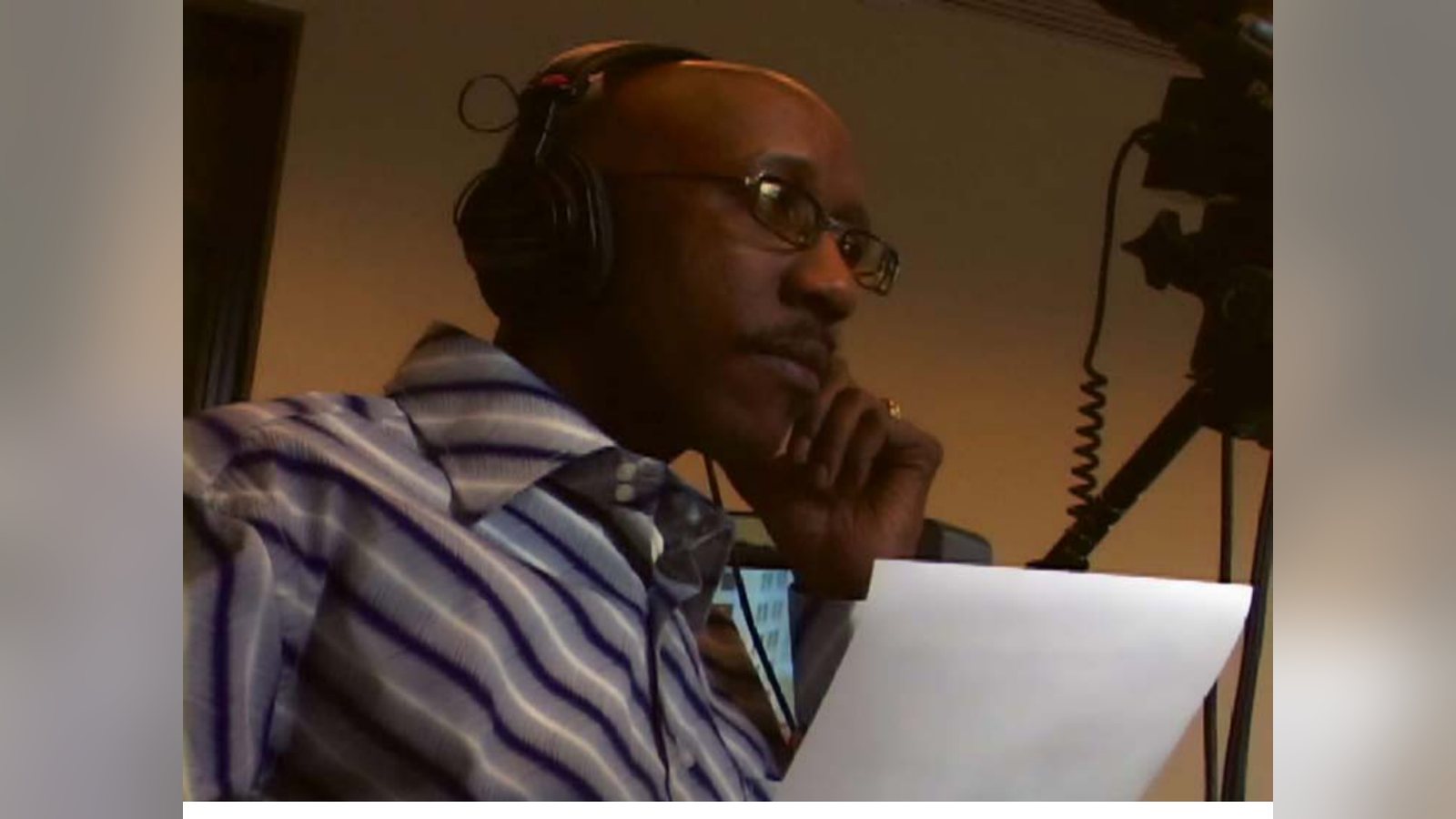
Okay, here’s where we get to the heart of the interview process… your questions and conversation with your subject. Everything you’ve done up to this point… lighting, setting mics, framing, etc., will all have been for naught if you don’t handle your questioning properly.
It is now up to you and you alone to elicit your subject’s funniest anecdotes, most painful memories, long held secrets, detailed explanations, candid opinions… in other words, to elicit the story in a way that your audience will find compelling, whether your interviewee is talking about their first knockout or their last insurance seminar.
But how does one actually do this? Browbeat them? Trick them? Ask them for “the real scoop”? No, to all of the above. You simply have a real and candid conversation with them. It’s a little like a first date, only with notes and more to the point. You employ many of the exact same social skills and gradually probing questions to consciously lead your subject to relax, trust you, reveal themselves and tell their own story and forget about the camera and lights.
- ASK QUESTIONS, LISTEN & RESPOND TO YOUR SUBJECT’S ANSWERS, ALWAYS KEEPING THE STORY IN MIND.
The Soap Box Question
Once you’ve exhausted all your questions, I strongly suggest you give your subject a “soapbox question”. Essentially, you’re going to ask them, “Is there anything else we didn’t cover or anything that you’d like to say to people about [the topic]?” This is their chance to get up on their soapbox and deliver an opinion or commentary about any aspect of the topic they want to speak on.
I have found that the soapbox question is often the most passionate part of the interview with the best quotes. Sometimes it will even lead to a whole new segment of the interview and a new even more candid conversation once you’ve struck a chord with that person.
Even with a great set of well thought questions, you are inevitably leading the conversation from your perspective. Your subject will probably still have at least one or two things they’d like to say that they think is important or may have been missed in earlier conversation. And ultimately, their perspective is what you really want to capture. The soapbox question also provides an opportunity for them to further explain any answer that they gave earlier that they feel was unclear or incomplete. This will give you the ability to isolate the subject’s answer in post-production and omit your own questions/voice from the edited segment if you wish to keep the focus strictly on your subject’s words. Isolating their answers will give you more choices in the editing process. It’s also always a good idea to mic yourself, as well, even if you plan on cutting out your own questions. That way you can still clearly hear your own questions during editing and also preserve the option to cut them in later if you change your mind. You want to impress upon your subject that the interview process is just a conversation between you and them. Looking directly into the camera or stealing glances off-screen is disturbing to the audience who is accustomed to people looking just off camera axis at the interviewer. (In certain situations, such as introductions and confessionals, addressing the camera directly is acceptable, but when an interview subject does both in the same shot it’s disturbing to the audience.) Even if they say no, keep some bottled water at the ready. Talking for twenty minutes straight or longer will test anyone’s voice. They may want some other creature comfort such as cigarettes or a glass of wine. The more relaxed a subject is the more they’re going to talk freely, but be careful here. Shooting someone who’s under the influence poses serious ethical questions. Use your own ethical meter to decide what’s appropriate for your project and what is a fair portrayal of your subject. You can say no or ask that they keep it off-camera, if their request is inappropriate for your film. Also, keep some tissues handy if you think things could get emotional.
Remind your subjects that nothing they say is being broadcast live (unless it actually is!) and that you will be cutting out any obvious mistakes, misspoken words, or anything else that would portray them unfairly or is irrelevant to your film. Encourage them to take as much time as they need to think of an answer. The object here is to get them to just… reeelaaax. Before You Call a “Wrap”
The wrap out is the last step of production where you pack up everything and tie up any loose ends. Before you officially instruct your crew to wrap, you want to make sure that you got all the coverage that you’ll need to edit. Do you need any reaction shots? How about an establishing shot of the location? Did something come up in the interview that suggests a cutaway or B-roll shot?… Take a moment, check your shot list and notes, then take a moment to think it through before you give the okay to wrap. If it is, call it a day. Thank everyone profusely, especially your subject. Tell them how you will follow up when the project is complete. Leave the place exactly as you found it or even better. Check all of your gear. Go home and begin the real work of editing your interview.
Anthony Artis (prn. Ant-ny Art-iss) is a veteran guerrilla filmmaker, television producer, and author of the new guerrilla filmmaking handbook, Down and Dirty DV – Vol. 1: Documentaries. He is the creator of a new instructional series of guerrilla filmmaking books, DVDs, and workshops. Anthony is based out of New York City where he manages the Film and TV Production Center at NYU’s Tisch School of the Arts. His website is www. DownAndDirtyDV.com.
Keep learning filmmaking
Want more lessons like this? Join StudentFilmmakers free for live webinars with working pros, and stream on-demand filmmaking classes in cinematography, directing, screenwriting, sound and post.