From Comic Book to Catharsis
By Neil Landau
Why Superheroes Are Popular
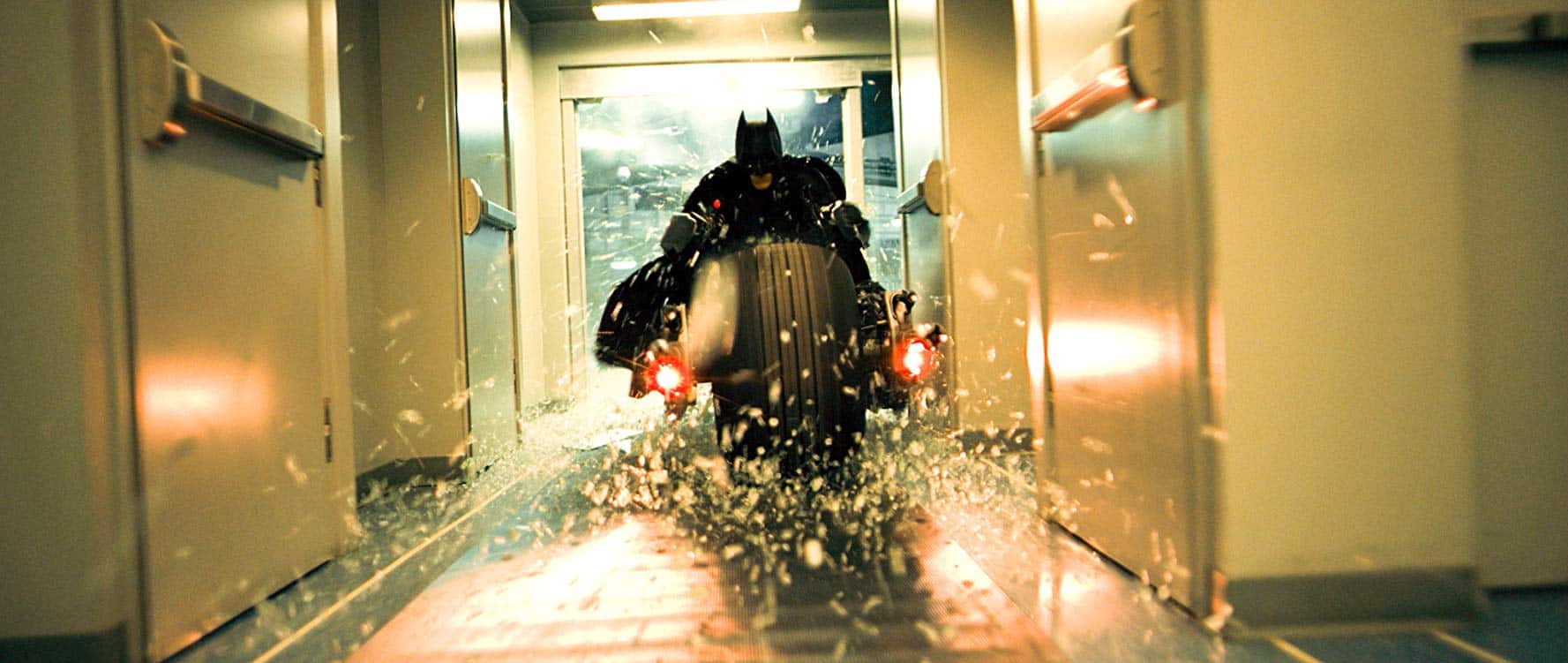
There’s a historical pattern around the popularity of the superhero—he or she is most needed during dark times in the real world. In Captain America: The First Avenger, when Steve Rogers/Captain America (Chris Evans) visits the US troops to boost morale, it’s more than mere fiction; it’s art imitating life. Sales of comic books actually increased during the Second World War. Service men and women needed such stories of bravery and triumph as an inspiration, to which they could also escape. Comics were portable, easy to share and inexpensive. The Golden Age of Comics began during the Great Depression, and it’s perhaps no coincidence that the game-changing movie for our current generation of superheroes, Christopher Nolan’s The Dark Knight, was released in 2008—the same year that saw the worst global economic crisis since the 1930s. We needed a hero; 2008 also happened to be the year that President Obama was first elected into office.
The Dark Knight paved the way for the superhero shows and movies we’re still watching, a decade later. Of course, it wasn’t the first edgy, darker iteration of the comic book superhero—Sam Raimi’s Spider-Man series and Tim Burton’s version of Batman had started to push the boundaries, together with the X-Men franchise, which focuses on the persecution and genocide of minority “mutant” superheroes. But it is Nolan’s Bruce Wayne/Batman (Christian Bale) who crosses that line: he’s not just heroic but deeply flawed. He resorts to violence to get answers out of The Joker (Heath Ledger). The Dark Knight sacrifices his own legacy and reputation, branding himself as a remorseless outcast, all in the service of the people of his beloved city, Gotham. The decision leaves him tortured and alone. No longer are superheroes just flirting with the shadows; they now have neuroses, real problems and live in the shadows.
Heroes and Neurosis
According to Freud, neurosis is “an ineffectual coping strategy caused by emotions from past experience which overwhelm or interfere with current experience.”[i] A neurotic individual has previously experienced tremendous psychic pain (usually in childhood), but has been unable to process it; he or she may not even recall the original trauma. As a coping mechanism, the individual has unconsciously suppressed this unbearable pain, which now manifests itself in the present as a nervous symptom (depression, anxiety, negative thinking, drug abuse, etc.). Perversely, the superhero’s being humanized and psychological complexity means that he/she has also become easier for us to relate to. And though they are grounded superheroes, just like the strongest protagonist heroes, they are somehow still able to transcend and deliver us to the light. In times of increased frustration with reality—Trump, Brexit, persistent wars and crises—we don’t just need our superheroes to entertain us in a bout of escapism. We need them to save us.
Free for members
Sign up free to keep reading
It’s free and takes less than 30 seconds. You’ll also get our Interstellar issue free, and a community of filmmakers sharing their work.
No credit card. Continue with Google or your email.