
By Sam Kauffmann
Nothing is more basic to documentary than the on-camera interview. Sam Kauffmann shares tips for asking questions and getting natural, usable answers.
Nothing is more basic to documentary filmmaking than the on-camera interview. It seems so simple – you ask the person a direct question and get a succinct, interesting answer that fits perfectly into your film. But the reality is often far different. The person rambles, the important questions aren’t fully answered, and you’re left without much to show for hours of work.
Let’s take a look at some interviewing tips to see if we can’t make our on-camera interviews more successful. But first, let’s determine whom to interview and why.
To examine the different types of people one might interview and the role they play in your documentary, let’s divide possible interview subjects into two groups. The first group we’ll call the “Objective Interviewee,“ and the second we’ll call the “Subjective Interviewee.” If you’re investigating a crime, for instance, the Objective Interviewees are the police and the lawyers. The Subjective Interviewees are the victims of the crime. The Objective Interviewee can tell you why something happened, how things work, or provide facts and background information. Subjective Interviewees can tell you what happened to them and how they feel about what happened. They can explain the pain, confusion, disappointment or elation that flowed from the event.
When you develop your list of questions, keep in mind the sort of interview you’ll be conducting. Will you be filming an Objective Interviewee or a Subjective Interviewee? Because the questions should be very different.
Let’s examine the questions you might ask when covering a devastating flood.
For the Objective Interviewee (public officials, professors, lawyers, engineers), you develop questions that will explain, illuminate, or make clear what took place and why.
1. How much rain fell in the past 24 hours?
2. How many homes were destroyed?
3. When will the waters recede?
4. Will standard homeowner’s insurance cover the damage?
Who to Interview and Why, Do’s and Don’ts, and Sample Questions
5. Which government agencies can the victims turn to for immediate help?
For the Subjective Interviewee, the questions should get at their personal experience and explore their individual emotions.
1. When did you first sense danger?
2. What did you do when the water surged into your house?
3. When the water first reached you, what did you feel?
4. Can you describe the damage to your house and property?
5. All your possessions are destroyed— how does that feel?
When coming up with your questions, design them to elicit more than “Yes” or “No” answers.
Don’t ask: “Did you feel afraid?”
Answer: “Yes.”
Instead ask: “When you saw the house start to fall, how did you feel?”
Don’t ask: “Was it cold in there?”
Answer: “Yes.”
Instead ask: “What about the temperature? How did it feel in there?
A good documentary often includes both Objective and Subjective Interviewees. The former provides information about an event and the latter helps us understand its impact.
During the Interview
When conducting an on-camera interview, never appear rushed, even if you are. Make the person feel that you have all the time in the world. When you ask a question, look the person in the eye, and make him or her feel as if everything they say is absolutely riveting. If you show impatience, annoyance or irritation, things will only get worse.
Really listen to the person you’re interviewing. Are you getting the information you need? If you rephrase the question might the answer get better? Can you skip the next question because the person already answered it? Is he or she hiding something?
After asking your question, you should give encouragement while the interviewee is responding, but make sure you give only non-verbal cues. Don’t say, “uh huh,” or “I see,” or “right!” The microphone will invariably pick up your voice, and you may not be able to cut it from the interviewee’s answer. Instead, nod or smile with encouragement. Make all your interviewees feel as if they are doing a great job.
Don’t be afraid to ask the difficult questions. That’s your job. If the person didn’t want to answer your questions they wouldn’t have agreed to be interviewed and they wouldn’t have signed the consent form (you did get them to sign a consent form, didn’t you?). Ask all the questions your audience would want to ask if they could be there in your place.
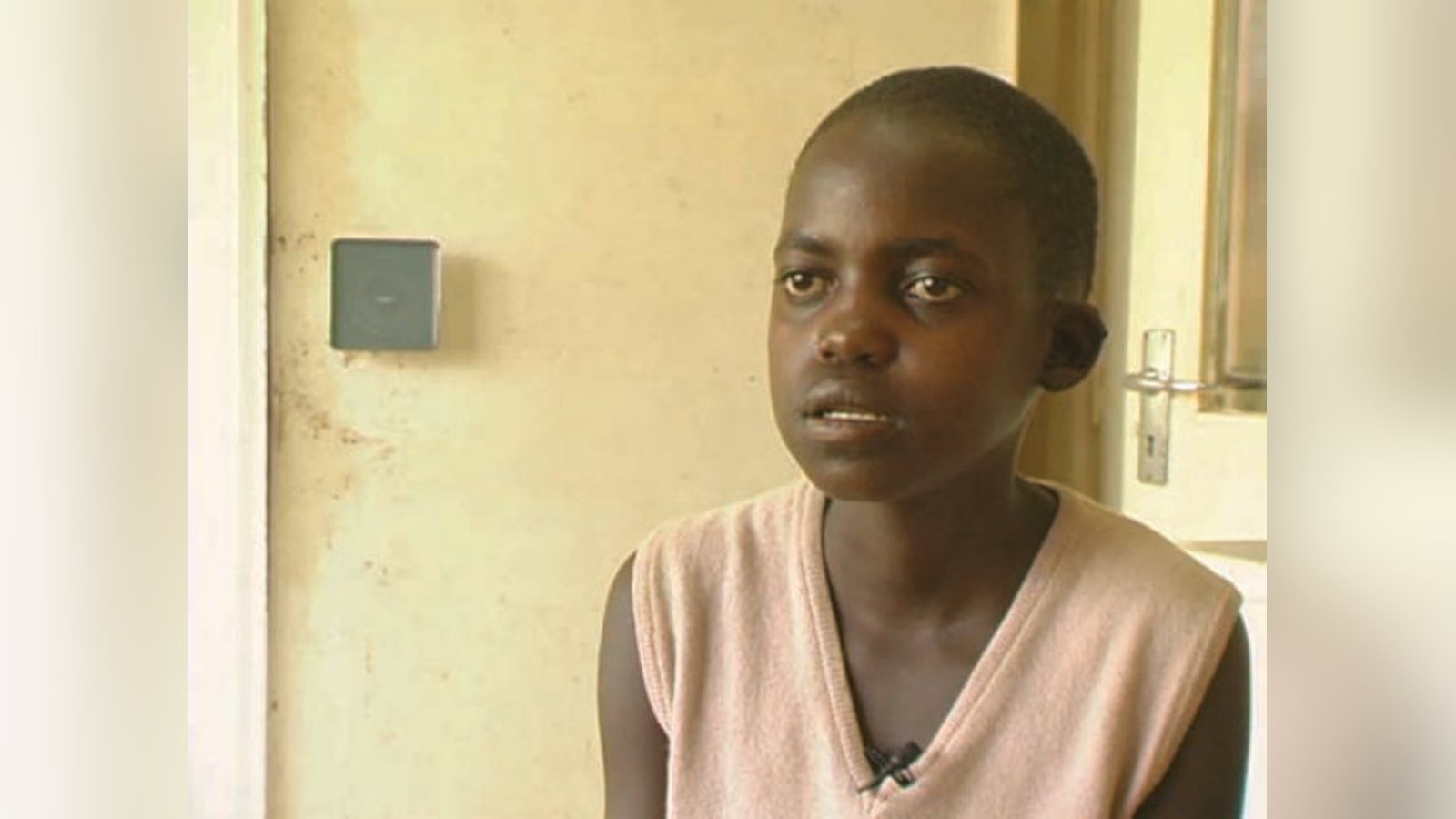
When framing the interviewee in the viewfinder, I usually start with a medium shot and move in to a close-up as the interview progresses. Tight close-ups are great for the Subjective Interviewee, but seem inappropriate for the Objective Interviewee.
Always be conscious of the background. What’s behind the person’s head? If removing a weird plant or distracting painting improves the shot, ask politely and then remove it.
Good sound is almost more important than good picture. Turn off radios, shut windows, and close doors to eliminate background noises. I often place a lavaliere on the subject and run the mic cable to the camera. I try to hide the microphone wire beneath the subject’s clothing, with the microphone itself barely visible. I’ll place a second lavaliere on the person conducting the interview, whether it’s me or the on-camera talent. Most prosumer cameras let you record sound onto two distinct channels, and that’s a big help when editing.
When you’ve finished the interview, thank the interviewee profusely for their time. Remember, if he or she makes it into your final film, you two will have a bond forever. For me, the best part of my filmmaking career has been the opportunity to interview so many amazing people, whose honesty, bravery, and wisdom have graced my films and without whom I wouldn’t have a career.
Sam Kauffmann is an award-winning filmmaker who teaches film production and digital editing at Boston University. His most recent film, Massacre at Murambi, aired on the PBS series P.O.V. in June. www.samkauffmann.com
Related filmmaking guides
- Film directing: getting good performances
- Coverage and the master shot
- Camera angles in film: a beginner’s guide
Keep learning filmmaking
Want more lessons like this? Join StudentFilmmakers free for live webinars with working pros, and stream on-demand filmmaking classes in cinematography, directing, screenwriting, sound and post.






