
Unleashing Creativity: How New Media Formats are Revolutionizing Student Filmmaking
Forget everything you know about student filmmaking. New media formats like VR, AR, and short-form content are reshaping how stories come to life on screen. If you want to master these emerging media trends and stand out, understanding their impact is key. Let’s explore how these tools are changing film education and what that means for your creative path.
Embracing New Media Formats

New storytelling tools are opening doors to endless creative possibilities. Let’s dive into how these formats are reshaping the world of filmmaking and what they mean for your journey.
VR Filmmaking: A New Dimension
Imagine stepping into a world where you can explore every angle of a scene. That’s the magic of VR filmmaking. It allows you to create immersive experiences that transport audiences into the heart of the story. With VR, viewers aren’t just watching; they’re experiencing. This technology lets you craft stories where the audience can look around and interact with their surroundings, creating a unique bond with your narrative.
VR’s potential lies in its ability to engage viewers on a deeper level. It places them right in the middle of the action, offering a front-row seat to your creative vision. By using VR, you can design environments that captivate and retain attention, making your stories unforgettable. As you explore VR filmmaking, remember that it’s about more than just technology—it’s about creating emotional connections with your audience.
AR Filmmaking: Interactive Storytelling
AR filmmaking adds a layer of interaction to your narratives, blending the real world with digital elements. Picture walking down the street and seeing a dragon perched on a building. With AR, this becomes possible. It superimposes digital information onto real-world settings, allowing viewers to engage with your story in new ways.
Your audience can interact with characters and objects in real time, making the experience personal and memorable. AR invites viewers to participate, turning passive watching into active involvement. As a filmmaker, you have the chance to create narratives that are both innovative and engaging. By incorporating AR into your work, you’re not just telling stories—you’re inviting audiences to be a part of them.
The Rise of Short-Form Content

Attention spans are shrinking, and filmmakers need to adapt. Short-form content is on the rise, offering fresh ways to connect with audiences quickly and effectively.
Engaging Audiences Quickly
In today’s fast-paced world, capturing attention swiftly is key. Short-form content—videos that last just a few seconds to a couple of minutes—grabs viewers’ interest instantly. These bite-sized stories are perfect for online platforms where people scroll rapidly. Your challenge is to make an impact in a short time, delivering your message with clarity and flair.
By mastering short-form content, you can reach a broader audience. Think of it as a powerful tool to share your vision succinctly. Whether it’s a quick teaser or a complete narrative, these videos are your chance to showcase creativity in a compact format. Remember, sometimes less is more, and a well-crafted short story can leave a lasting impression.
Crafting Compelling Stories in Minutes
Creating a story in just a few minutes is both an art and a challenge. It requires you to focus on the essence of your narrative, ensuring every second counts. Short-form content demands precision and creativity. You must choose your shots wisely, write concise dialogue, and maintain a strong narrative arc.
Consider this format an opportunity to hone your storytelling skills. It pushes you to be innovative, to find new ways to surprise and delight your audience. The beauty of short-form content lies in its ability to convey powerful messages quickly, leaving viewers wanting more. Use this medium to experiment, explore, and expand your storytelling abilities.
Evolving Film Education
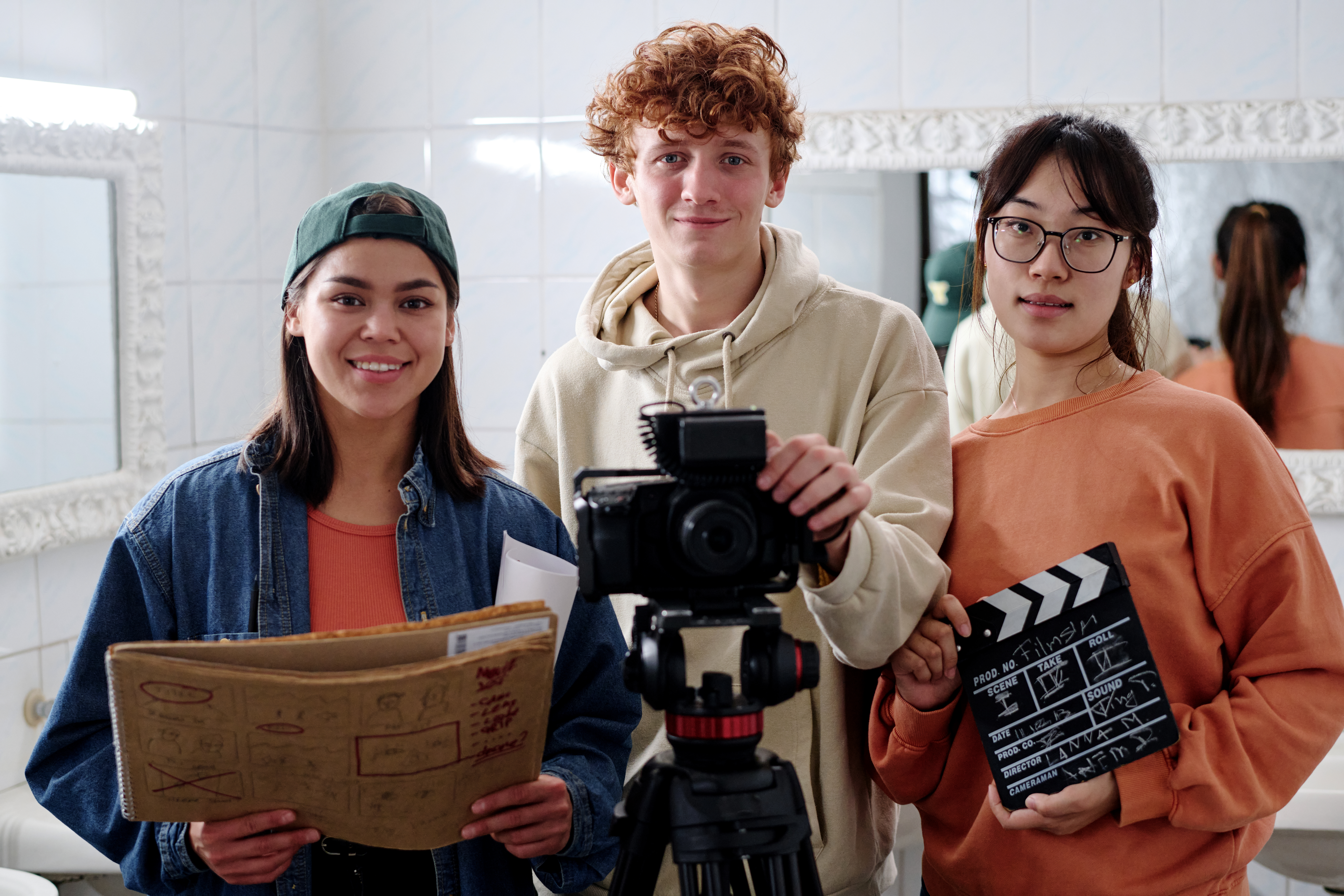
As media formats evolve, so does the way we learn about filmmaking. It’s crucial to stay ahead by integrating these trends into educational practices.
Integrating Emerging Media Trends
Film education is changing, and emerging media trends are at the forefront. To prepare the next generation of filmmakers, educational programs are embracing new formats and technologies. Classes are now incorporating VR, AR, and short-form content into their curricula, providing students with hands-on experience in these fields.
By understanding and using these tools, you’ll be better equipped for the industry. Schools are focusing on practical applications, allowing you to experiment and create with cutting-edge technology. This approach not only enhances your learning but also increases your competitiveness in the job market.
Preparing Future Filmmakers with New Tools
The future of film education lies in equipping students with the skills to navigate a rapidly changing landscape. By introducing new tools and technologies into the learning process, educators are setting the stage for innovation. This means more opportunities for you to experiment and find your unique voice as a filmmaker.
These advancements are not just about technology; they’re about storytelling. By embracing new media formats, you can tell richer and more immersive stories. As you learn and grow, remember that these tools are here to serve your creativity. The longer you wait to explore these technologies, the more opportunities you might miss. Jump in, experiment, and let your imagination guide you. 🎥📚✨