Interview with Dennis O’Neil, Marvel Comics and DC Comics
by David Kaminski
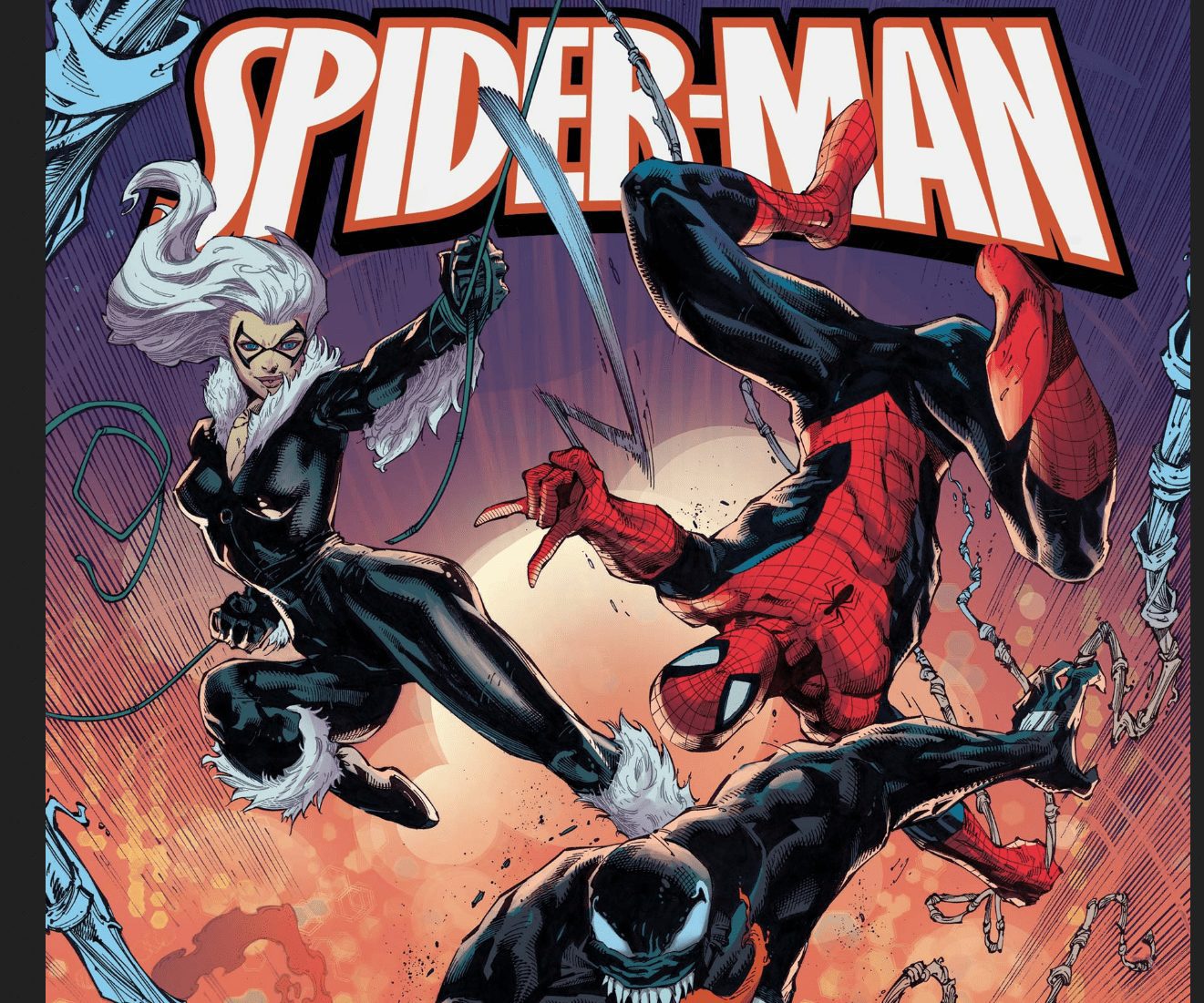
Comics might help you get into film school, or help you to get your first film written. Sound preposterous? Maybe not. For decades, comics have had a bad reputation, but in the last handful of years, Hollywood has been churning out a number of box-office smashes about superheroes who first lived and breathed in comic books. And every superhero has been optioned. Why should you care?
Comics as a Short-Cut to Filmmaking
Reading comics and entering the world they inhabit might be the best short-cut to help you generate material and to give you an understanding of character, story, and continuity. Most obviously, they have a storyboard style that will help you to see ideas come alive and to understand how the visuals can help tell a story. Think of a comic as a film that runs at one frame a second, or slower. Or one static shot at a time. A shot that conveys meaning. The writers and artists have to know how to pare down their material and the visuals to get the idea across to the reader. You will be lucky to have a more easeful 24 frames a second to work with, and as many different shots as you want, but studying the masters will make you smarter.
A Lesson from Dennis O’Neil
Dennis O’Neil, now retired after being a decades-long editor and writer for Marvel Comics, DC Comics, and Bantam Books tells why comics are important for filmmakers and screenwriters. “Comics are a near-perfect form of visual narrative, so film guys can learn a kind of approach to storytelling that might be a bit outside their own discipline. Comics are paced very differently than TV and movies, so there may be something about relating to the audience to be learned. Comics are far more iconic than movies, another place where some learning may be done. Finally, comic book dialogue is highly compressed, yet, to work well, it should sound colloquial. So screenwriters might learn something about making their characters talk from comics.”
Free for members
Sign up free to keep reading
It’s free and takes less than 30 seconds. You’ll also get our Interstellar issue free, and a community of filmmakers sharing their work.
No credit card. Continue with Google or your email.