By Scott Eggleston
Want people to take your film seriously? Scott Eggleston lists the amateur mistakes that give low-budget films away and how to fix them in pre-production.
We all want people to respect our work, and we all want people to see it. When you pour your heart and soul into something, you are making yourself bare for the world to see. The last thing you want is for someone to tune out in the first thirty seconds because your labor of love looks or sounds like a “home video.”
If you are making a documentary you can get away with technical lapses, but in the narrative world, you are asking to be written off. Even the most simplistic audience member has been spoiled by years of television and movie viewing, and if you don’t give them basic quality on the technical end, they will be distracted from the real reason you want them to watch.
The following tips can really elevate your production to another technical level. You will have to take more time and perhaps spend some money, but the improvement will be dramatic.
are watching a cheap movie is crappy audio. Why does the talent sound like they have a bucket over their head? It’s most likely because the microphone recording the audio is the one that came integrated into the camera. Unless you are doing an extreme close-up and the camera (along with the mic) is right in the face of the talent, your audio will suck.
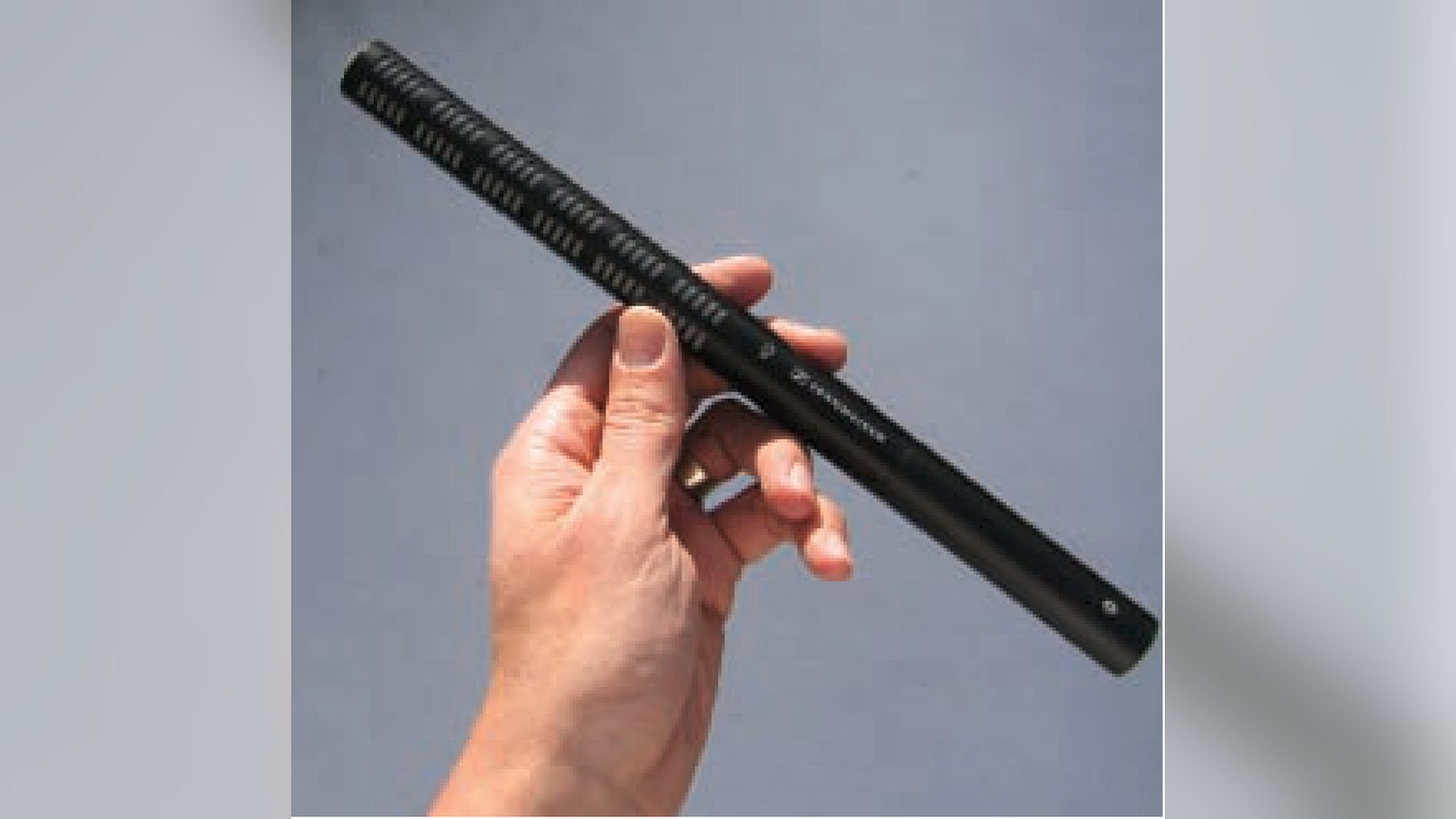
The solution is to use an external mic. Plug it into the camera (or a recording device if you want to go double system), and get it as near to the talent as possible without coming into frame. If you can afford it, get a boom mic, otherwise use what you’ve got and close in. Just remember to point the mic at their mouths (preferably from above) and not just at their heads.
If you want audible dialogue on a wide shot, get a lavalier mic (like the ones news anchors wear), and hide it on the talent. This will probably involve a wireless setup, (again, unless you are going double system), which can mean more money and more work, so do your research, and prepare yourself. Of course, you can always loop the dialogue in post, but if you’re a purist like me, this will always be a last resort.
The idea is to get the cleanest sound recorded on location. I once believed I could fix anything with noise reduction,
Master Class
Elevating Your Production to a Higher Level
but when I heard my cheaply recorded sound at the editing stage, I was so incensed that I spent $400 on a Sennheiser boom mic. I have never regretted it.
in the low budget world is to see an entire project shot with a hand held camera. It just feels like Lazy Filmmaking 101. Again, documentaries can get away with a lot, especially if you’re running and gunning, but if you are shooting from a script, a tripod is standard equipment and should not be an afterthought. It is a pillar of a professional shoot, no matter what the budget.
The idea of using a variety of shooting techniques is to (along with acting, lighting, etc.) create a variety of emotions through contrast. One reason the shower scene in Psycho is so powerful is the quick cutting and extreme shots, (not to mention Bernard Herrmann’s famously chilling music), contrasted to what was in the rest of the film. If the entire film had been shot and edited the same way, that particular scene would have nowhere near the same effect. So it is with shooting hand held. It can be effective, but don’t rob it of its power by using it exclusively.
Even a cheap tripod will help your project look better. If you want smooth panning and tilting, you might want to consider a fluid head tripod rather than a still camera tripod, which won’t pan or tilt very well at all.
most inexpensive of cameras will have manual functions, and any filmmaker worth his or her salt will use them. There is no reason a camera should be set on auto-anything. Directors are control freaks by nature, and just as you want to control everything in front of the camera, you should feel the same way about what takes place within the camera.
Most cameras will allow manual focus, white balance and iris. Don’t let it tell you what looks right. That is your job. Study your manual and take control of your paintbrush. Use your tools; don’t let them use you.
While many of these points may seem like common sense, I’m always surprised when they are not followed. It says a lot about the director who will take the time to use fundamentals to make any effort better. It also says volumes about those who don’t. Also, beware of the “we’ll fix it in post” trap. The garbage-in-garbage-out rule really applies to filmmaking. If you take the time and do it right on location, you will never be mistaken for an amateur, no matter what your budget.
Scott Eggleston is a freelance writer and movie critic living in Salt Lake City, Utah. His real passion is filmmaking, which he usually does in short bursts.
For his most recent work, go to youtube.com and do a search for “retrofilms”.
Keep learning filmmaking
Want more lessons like this? Join StudentFilmmakers free for live webinars with working pros, and stream on-demand filmmaking classes in cinematography, directing, screenwriting, sound and post.