Filmmakers Global Network ::
Community Spotlight with Hummie Mann
Composer. Orchestrator. Arranger. Conductor
 Body of Work & Current Projects:
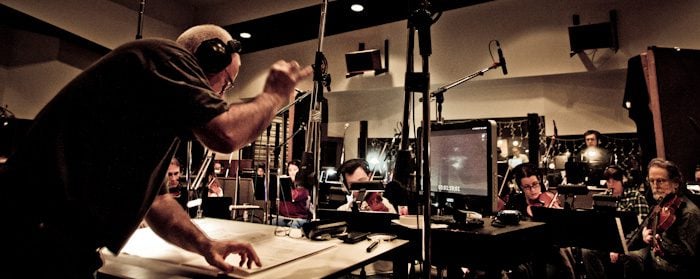
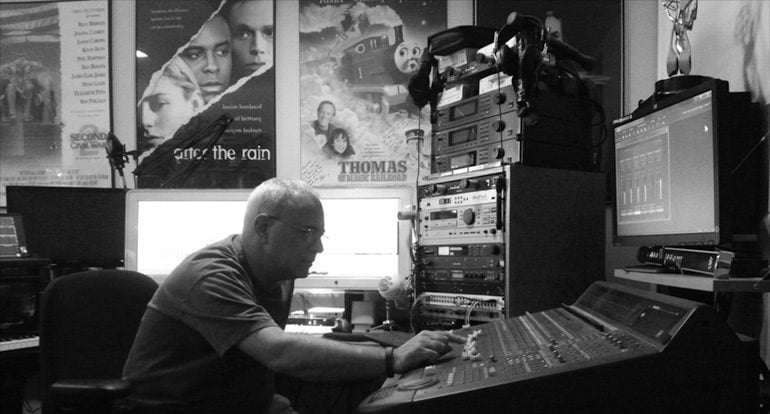
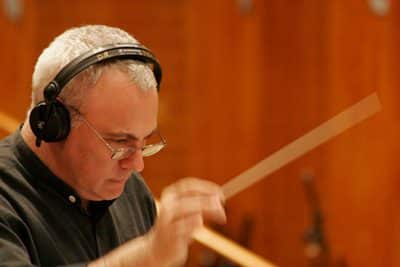
I lived and worked in Los Angeles for 24 years and was very active in the film industry as a composer, orchestrator and conductor. I started out as an orchestrator on series television working on “FAME“, “Moonlighting“ and “The Simpsons“. I then started orchestrating and conducting on major motion pictures including “City Slickers“, “Addams Family“ and “A Few Good Men“. Then I started getting my own scoring assignments as a composer scoring multiple Television mini-series – “In Cold Blood” and “P.T. Barnum”, Showtime, Network and HBO movies and ultimately feature films including “Robin Hood: Men in Tights”, “Dracula Dead and Loving It” and “Thomas and the Magic Railroad”. I also scored a variety of indie features including “Wooly Boys” (starring Peter Fonda and Kris Kristofferson) and “Falltime” (starring Mickey Rourke and Stephen Baldwin). Currently, I spend most of my time teaching film composition at the Seattle Film Institute in a Masters program that I created called the Pacific Northwest Film Scoring Program. I am also currently scoring a documentary feature about the rise and fall of the Automat – a unique restaurant chain that used to be hugely popular in New York and Philadelphia.
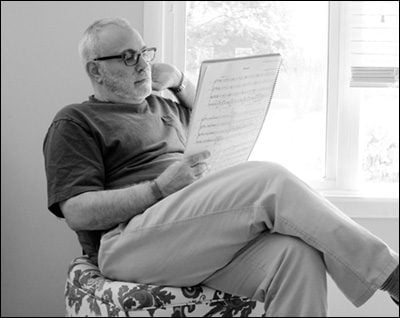 Creative Process Composing for Feature Films, Television, and Working with Independent Filmmakers:
The initial creative process is somewhat the same for features and long form television (TV movies and mini-series). I review the film and discuss with the director the type of music that would best support the story of the film – what would be the “vocabulary” of the score. If it is a period piece, for instance, I might borrow from the musical styles of the period to help create the time and place that the story is portraying. The biggest difference between television and features is time – usually there is more time to not only work on the project, but also since it is a longer format, there is more actual screen time to take and develop the score, just as there is more time to develop the story and characters.
Film Composing Challenge & Solution:
The biggest challenge that I have faced is the use of temp scores – music from other films that is added to the film “temporarily” to give a more complete experience to people who are watching the film while it is still being edited. Sometimes directors use music that comes from films with much larger music budgets than they can afford, and they get used to the size of the sound – a large orchestra, for example. Then the composer has to try and compete with this temp score with a lot less resources. When this has happened to me in the past, I have had to come up with another way to score the film – sometimes a different but appropriate genre that uses a different type of ensemble. On one film the entire temp was a medium-sized orchestra, which there was no budget for, and luckily, it made dramatic sense to score the film with a bluegrass band. I think we ended up using 7 players, and it worked really well, and actually was a better fit to the story.
3 Film Composing Tips:
In the concert music world, composers are taught to “find their own voice”. For me, film composition means to find the voice of the film. There are countless examples of composers sounding drastically different on different films: Bernard Herrmann on “Psycho” versus “Taxi Driver”; John Williams on “Raiders of the Lost Ark” versus “Catch Me If You Can” versus “Accidental Tourist”, for example. So, tip one would be to explore what style or genre of score matches and enhances the film, or as I say is organic to the film.
There is the constant discussion about the use of melody in film scores these days. While it is true that scenes can be scored without a melodic element, I feel that it is faceless music. If I were to ask you to think of your favorite film score, you most likely would hear the melody in your mind. To me, melody is the face of music (when there are no lyrics, of course). That does not mean that every film score should be a “Gone with the Wind”, big melody score, but to me, a score without strong melodic content is less memorable and less effective. Think of all the great themes that Herrmann and Williams have composed that we can immediately recall. So, my scores always have a strong melodic identity. Tip two – don’t compose faceless music if you want your music to be memorable to the audience.
I guess that my last tip would be to study lots of different styles of composing. Jazz, rock, bluegrass, classical, romantic, gothic, 21st century etc. I have been fortunate to have gotten to score films in all of these genres and feel that the more compositional tools one has in one’s toolbox, the more musical choices one can make. In fact, one of the major attractions that scoring films had to me was the fact that I would get the opportunity to compose scores in many different styles of music.
Best of luck and happy writing.
www.hummiemann.com
networking.studentfilmmakers.com/profile/Hummiemann