Reference: StudentFilmmakers Magazine, April 2008. The Digital Stereoscopic Renaissance: Moving from the Artistic Ghettos to the Center Spotlight of Hollywood Production by Michael Karp, SOC. Pages 42 – 45.
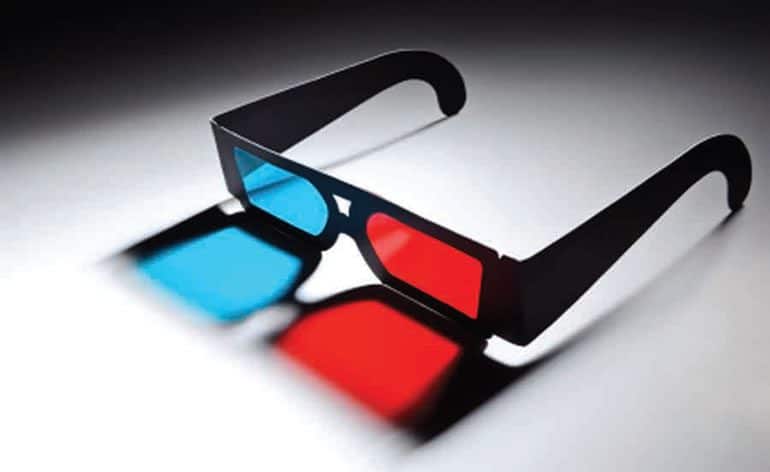
With the artistic and commercial success of Robert Zemeckis’s stereoscopic adaption of the epic poem Beowulf, James Cameron’s dream of a stereoscopic film renaissance seems at hand. Stereoscopic still photography was actually invented in 1840 and was first attempted for the cinema in the 1890s. While 3D cinema has enjoyed several spurts of popularity in the twentieth century, it sometimes has been considered more fad than art, except in special venue/theme park applications. The 1950s produced several important stereoscopic films, as did the 1980s. Since then, Imax and others have been at the forefront of 3D and large format cinema.
But now it looks like stereoscopic film is moving from the artistic ghettos, to the center spotlight of Hollywood production. Important technical improvements, especially in stereo projection, have encouraged auteurs like Cameron to champion the medium.
Free for members
Sign up free to keep reading
It’s free and takes less than 30 seconds. You’ll also get our Interstellar issue free, and a community of filmmakers sharing their work.
No credit card. Continue with Google or your email.