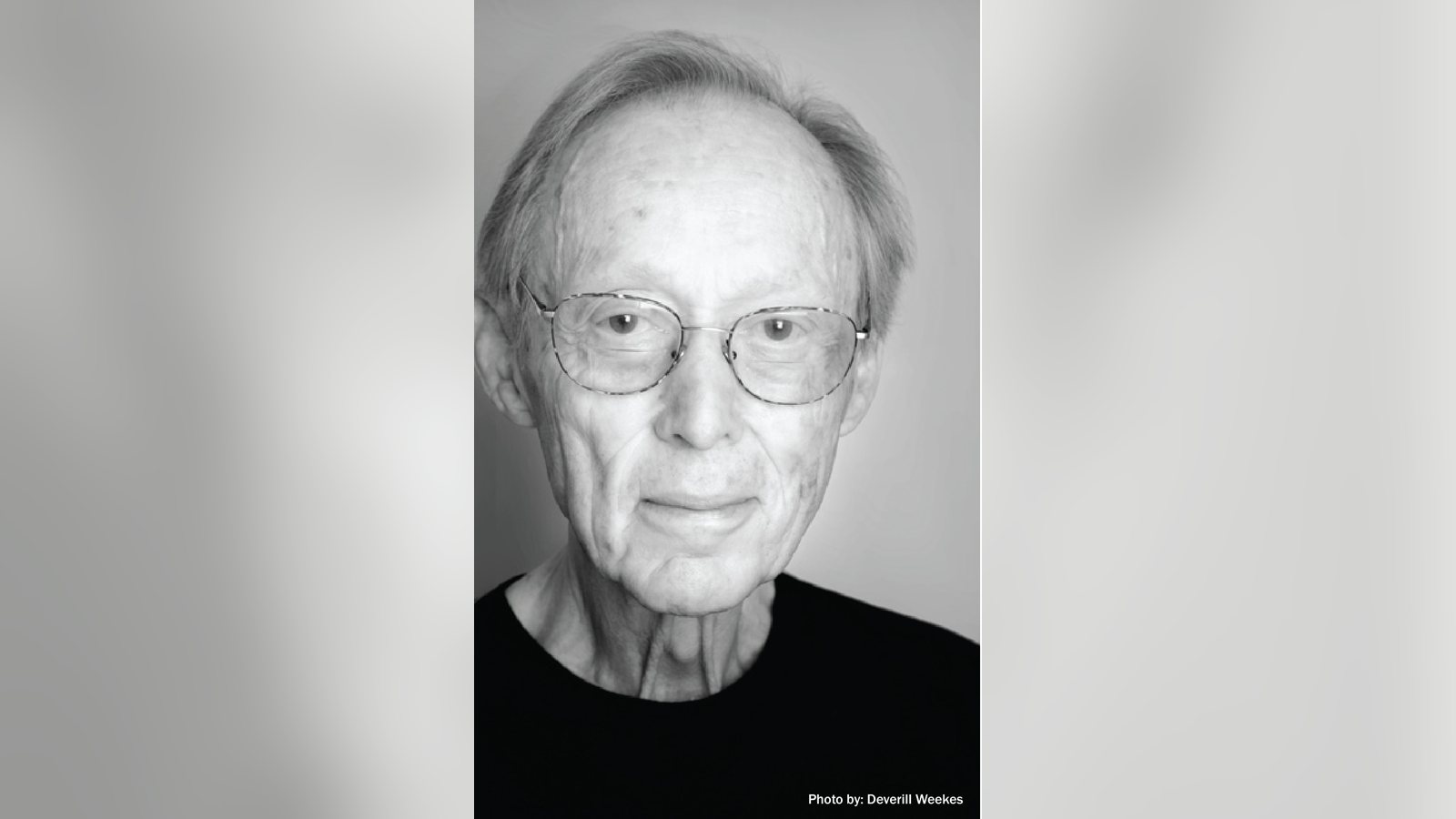
By Scott Essman
Dick Smith, the makeup artist behind The Exorcist and Amadeus, changed special makeup effects. Scott Essman looks at his work, methods and generosity.
Dick Smith, who passed away July 30 at the age of 92, was one of the greatest craftspersons of the 20th century. First working in television in New York then in film, Smith’s works as a special makeup effects artist were always impeccably conceived and realized, often setting new benchmarks in the process. Setting him apart from many of his peers, Smith’s supreme attention to detail and mastery of the preparation and appliance of materials in all of his creations was often matched by his generosity of spirit, passing along his techniques to a growing contingent of aspiring artists through his 40+ years as an active artist, then later in his retirement from film sets. Until Smith and a select few others began to disseminate their career information to a new breed of emerging artists, much of the knowledge within makeup artistry was considered secretive and off-limits to those outside of the craft’s inner circle. Without question, Smith helped to change an entire culture with his benevolent personality.
Early Years
Smith’s initial creative endeavors did not suggest a guaranteed career in makeup, but by 1945, after graduating from Yale, he got a makeup department job at NBC in the fledgling television medium. “I was the first staff makeup artist in the television industry, so I saw it from the very beginning,” Smith said. “I worked there for 14 years, and it was really my school. I knew very little – I had only read a couple of stage makeup books and had done some makeup at Yale. I had a tiny little makeup room, a former dressing room, and I was by myself. I did every kind of makeup during my TV years.” Since television was too new at the time to grant its own awards, Smith never received an Emmy despite supervising dozens of memorable makeups. Later, he finally was recognized with an Emmy for his realistic age makeup on Hal Holbrook for Mark Twain Tonight in 1967.
Free for members
Sign up free to keep reading
It’s free and takes less than 30 seconds. You’ll also get our Interstellar issue free, and a community of filmmakers sharing their work.
No credit card. Continue with Google or your email.