By Marc Franklin
Marc Franklin separates the truths from the hype about nonlinear editing software so new filmmakers can choose the right NLE for their projects.
Here are some of the common truths and fallacies about editing software that new filmmakers often run into.
Fallacy: “The only way you can edit is with Avid.”
Truth: Avid was the first NLE accepted by the industry. Because of that it became the defacto standard because they were the first, and had no real competition. Avid’s technology spread to every major production and post-production company in short order and it is still there. Therefore people who have been in the industry and have been using it for years are naturally used to its interface, and if you want to be in the industry working for someone else, Avid is definitely good to know. The opinion of most people is that while Avid is still tops with the studios, editors who know Avid and pretty much any other NLE will tell you that it takes three more steps in Avid than in other systems. Enter Final Cut.
Fallacy: “The only way you can edit is with Avid or Final Cut Pro.”
Truth:
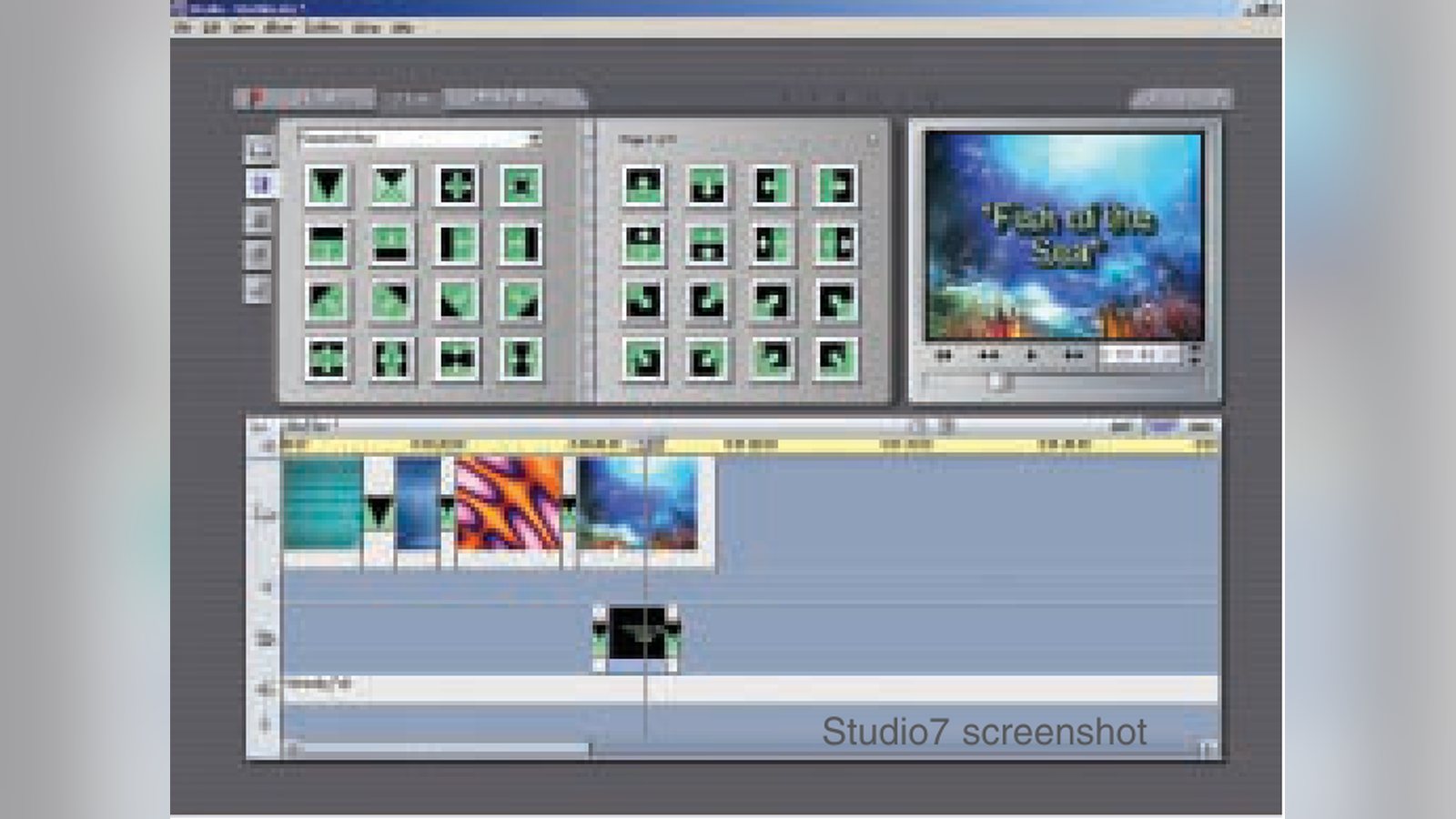
Apple, once the exclusive platform for Avid, released Final Cut Pro as an alternative. Based on comments of editors above, Apple created a less convoluted interface that brought FCP a quick recognition in the industry. After which the exclusive “Pros only used Avid” became, “Pros only used Avid or FCP.” PPro2 screenshot Vegas6 screenshot Truth: Thousands of films were put together with razor blades and tape. It is still done occasionally that way today. What it really comes down to is your talent and what works for you. Any NLE program out there today is capable of putting together your story elements, if you have the talent. Pretty much every computer, Macs with I-movie, and Windows XP with Windows Movie Maker, have capabilities eons ahead of my first linear edit bay that cost $35,000, and these come free with the computer! My advice to you would be find a program you like to work with, learn it well, and stick with it. If you need to migrate to something else at one point for a particular special feature, you always can. In the past year or so, two award winning films were cut on consumer products. John Caouette’s “Tarnation” was cut on I-Movie, and Stan Harrington’s “Bred in the Bone” was cut on Sony’s “Movie Studio,” a light version of Vegas, before being finished in Vegas. I’ve pretty much been an Adobe Premiere (Pro) user since I first started non-linear editing. I have for certain specific projects, used Sony’s Vegas, and for one potential client even was willing to purchase an FCP system. I’ve explored consumer NLEs, such as Pinnacle System’s (now Avid) Studio software. I recommended version 7 to a friend of mine who is a 30 plus year veteran of the industry. He loves it and uses this sub $99 product on high-end corporate and event work!
I came to this conclusion about editing myself after editing with Adobe Premiere 5.1 and taking and passing an Avid Media composer certification class. For all of Avid’s innovations their interface did not work for me. At the time, entry level Avid systems were about ten times more expensive. A few months later I cut a short spoof of “American Beauty” called “Canadian Beauty” in Premiere. It opened lots of doors for me. We got interviewed by the Hollywood Reporter, and they were so astonished that we didn’t use Avid, they had to make mention of the fact that we cut it in Adobe Premiere. While it is nice advertising for Adobe’s product, the NLE wasn’t the reason the short was good. It wasn’t even only the talent of the editor (me), it was the writers (I was one), DP (me) and rest of the cast and crew.
What it comes down to is, Apple, Avid, Adobe, and Sony are equipment suppliers, not religions that you need to adhere to. If you stray from one there may be repercussions, only if you are on staff at a post house, but not if you are independent. If you explore another way to edit you won’t be struck by lightning, but light bulbs may start turning on for you if the new software works better for you. I recommend trying several that offer free downloadable trials and start playing.
Marc Franklin’s opinions on production and post have appeared in Forbes, WEV, TV Technology, Event DV and The Hollywood Reporter. He is a regular product writer for Event DV and StudentFilmmakers magazine and has been involved in the evolution of digital video production by advising product makers. The most well known product he helped develop was Panasonic’s AG-DVX100 24p DV camcorder. His experience spans event videography, short films and broadcast TV.
Studio7 screenshot Congratulations to the winners of the 2nd Annual Project: FAIR (Filmmakers Against Illegal Replication) Anti-Piracy PSA Contest.
“Good Stealing and Bad Stealing,” by Dane Boedigheimer, “Karma,” by Jeffrey M.Greene, and “Your Stuff/My Stuff,”
http://www.studentfilmmakers.com/projectfair/ .
All three public service announcements will be made available to video retailers to display on their in-store monitors. In addition, EMA will provide the spots at no cost to motion picture studios, movie theaters, and others who would like to utilize them.
The contest is sponsored by the Entertainment Merchants Association (EMA, formerly VSDA).
Related filmmaking guides
- Top video editing software for students
- ADR: automated dialogue replacement explained
- The power of sound in film
Keep learning filmmaking
Want more lessons like this? Join StudentFilmmakers free for live webinars with working pros, and stream on-demand filmmaking classes in cinematography, directing, screenwriting, sound and post.