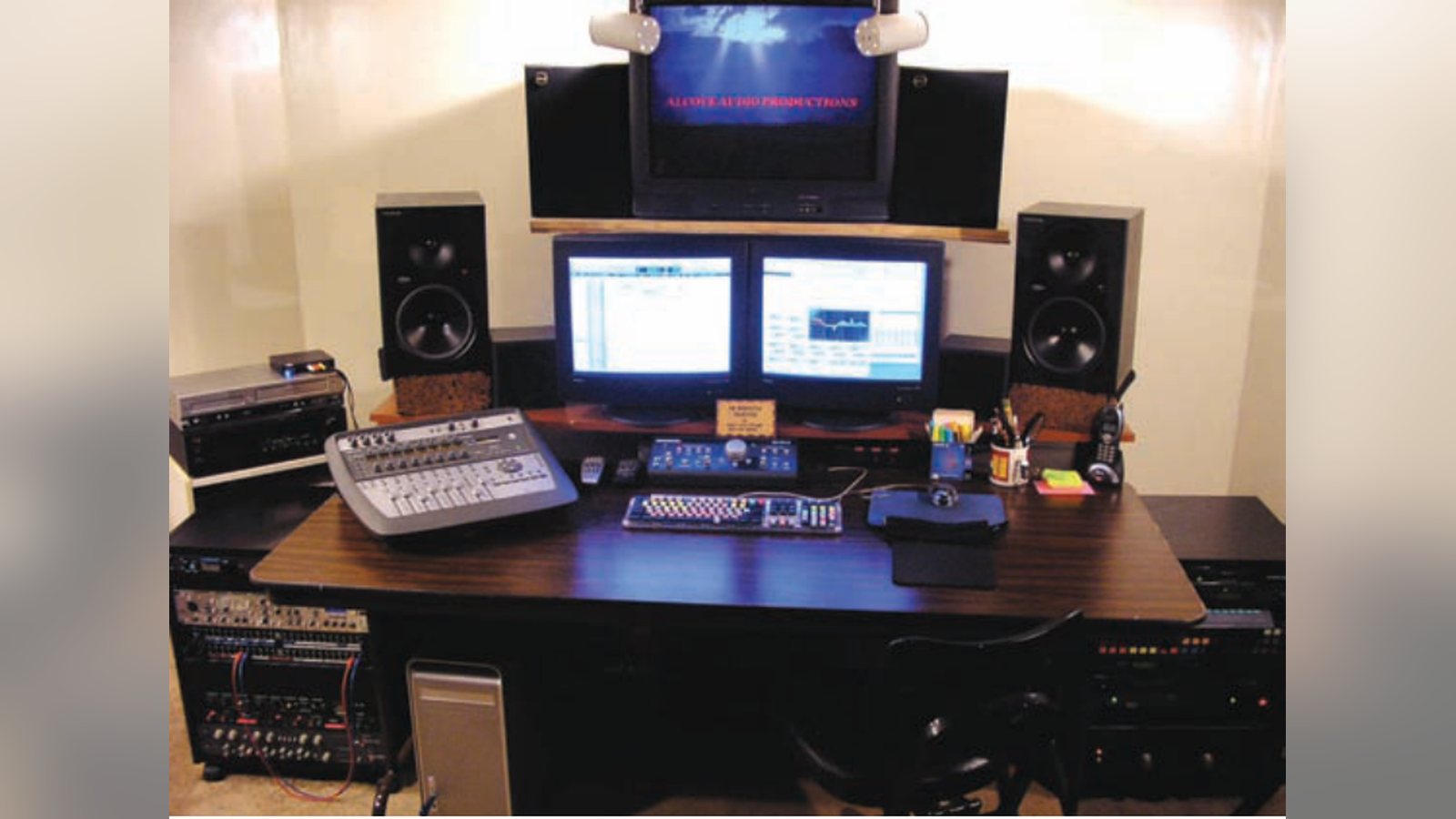
Meet Bob Kessler, a filmmaker based in Greenwich, Connecticut, United States and a member of the StudentFilmmakers Filmmakers Network. See Bob’s Network profile to connect.
Sound designer Bob Kessler has worked on the award-winning Johnny Montana, worked on the sound design for a 4Kids/FOX Saturday morning cartoon, and recently completed his fifth indie feature. He begins work on a serialized podcast next month, among other projects.
Bob started out a musician, and was advised to go into audio postproduction after retiring from touring. He worked as a composer and line producer, and then did work as a recording engineer, working with artists such as Jay Z and Lord Tariq. Bob has since done audio post production and sound design from his own studio.
“[In Johnny Montana] I had to sonically recreate the feel of New York City. I also had to reflect the thoughts and situations of the main character, Johnny Montana. Johnny was making good and bad choices, and I tried to reflect that in the sound of door slams. The door slams for bad choices were heavy and dark. The door slams for good choices were lighter. As his life got bleaker, the ambiences became more empty.”
His favorite project:
“One of my favorites was the short, That Tiny Little Crevice In The Back Of Your Mind. It is a dream/nightmare/psychological piece that allowed me to stretch and experiment as a sound designer. The challenge was that it had to start off as sounding like and appearing to be reality but still having to convey to the audience that something isn’t quite right. “I mostly did a lot of work on the ambiences. For example, in one scene the protagonist is playing cards with a few other companions in a boat on a lake. To begin, I created a ‘normal, lazy summer afternoon’ type of ambience – birds, locusts, etc. I then reversed the audio of the entire ambience, sent it through a sub buss to a reverb and recorded the reverb. I then reversed the ambience back to normal and reversed the reverb. The reverb sound is now backwards.
“Although the result was subtle there is the feeling that ‘something is not quite right.’ In another sequence, the protagonist is remembering the loss of his wife and child. I blended in the manipulated sounds of a baby crying with the rest of the ambience.”
Advice for aspiring sound designers:
“Anyone who wants to be a sound designer should spend lots of time listening. I spend hours sitting on park benches, in train and bus stations, beaches, fields and forests, malls, bars and other places where people congregate to listen to how sounds interact and how people react to sounds. I also listen to the way that people converse in the real world. I also spend many hours in the field recording sounds that will expand my sound library.
”Sound for picture should play just like music. One of my favorite composers, John Cage, defined music as the organization of sound, and that is what a sound designer does.Greenwich, Connecticut, United States http://networking.studentfilmmakers.com/unclebob6958 very quickly, requiring a cinematic look right off the bat. Our director of photography, Brandon Lippard, flew to Seattle from LA and pulled double duty as focus puller. I wouldn’t advise this in most situations, but we had worked together like this before and were comfortable. On some of the more complex dolly shots, I would operate while he pulled focus. We only had two days, so we had to move pretty quickly.”
The most challenging aspect of this production:
“Re-engaging the concept and material after a year-long delay. It kind of felt like someone had picked up a discarded short story of mine and said, ‘Okay, let’s shoot this next week.’ I ended up pacing the studio for a couple days before I could get back into it. I looked at The Illusionist and referenced other films for a ‘look.’ My approach to material tends to begin visually, and when I know what limitations there are, I can fit an idea into it, and find my compromises along the way. Overall, I am very pleased with the final cut and, as always, learned a lot about myself and the work along the way.”
Keep learning filmmaking
Want more lessons like this? Join StudentFilmmakers free for live webinars with working pros, and stream on-demand filmmaking classes in cinematography, directing, screenwriting, sound and post.