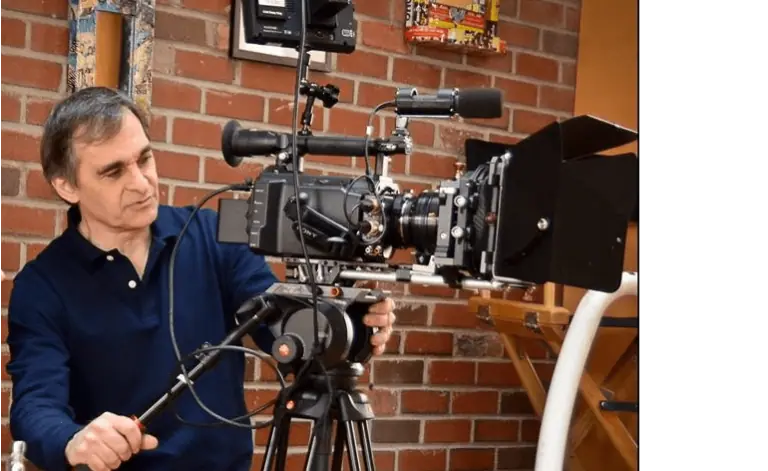
By Chris Cavallari
Chris Cavallari explains how video podcasts work, from RSS feeds to recording, codecs and file sizes, so you can start your own vidcast and reach viewers.
Podcasting has become a hot topic over the past year and with good reason. The format, which uses RSS to automatically download audio content to a user’s computer, has brought freedom of speech to a whole new level. Ordinary average guys (and gals) are now able to switch on their mics and broadcast their thoughts to anyone willing to listen. And people are listening. However, many would-be producers are finding that learning the in’s and out’s of pod-and vidcasting is not so easy to grasp.
First Things First.
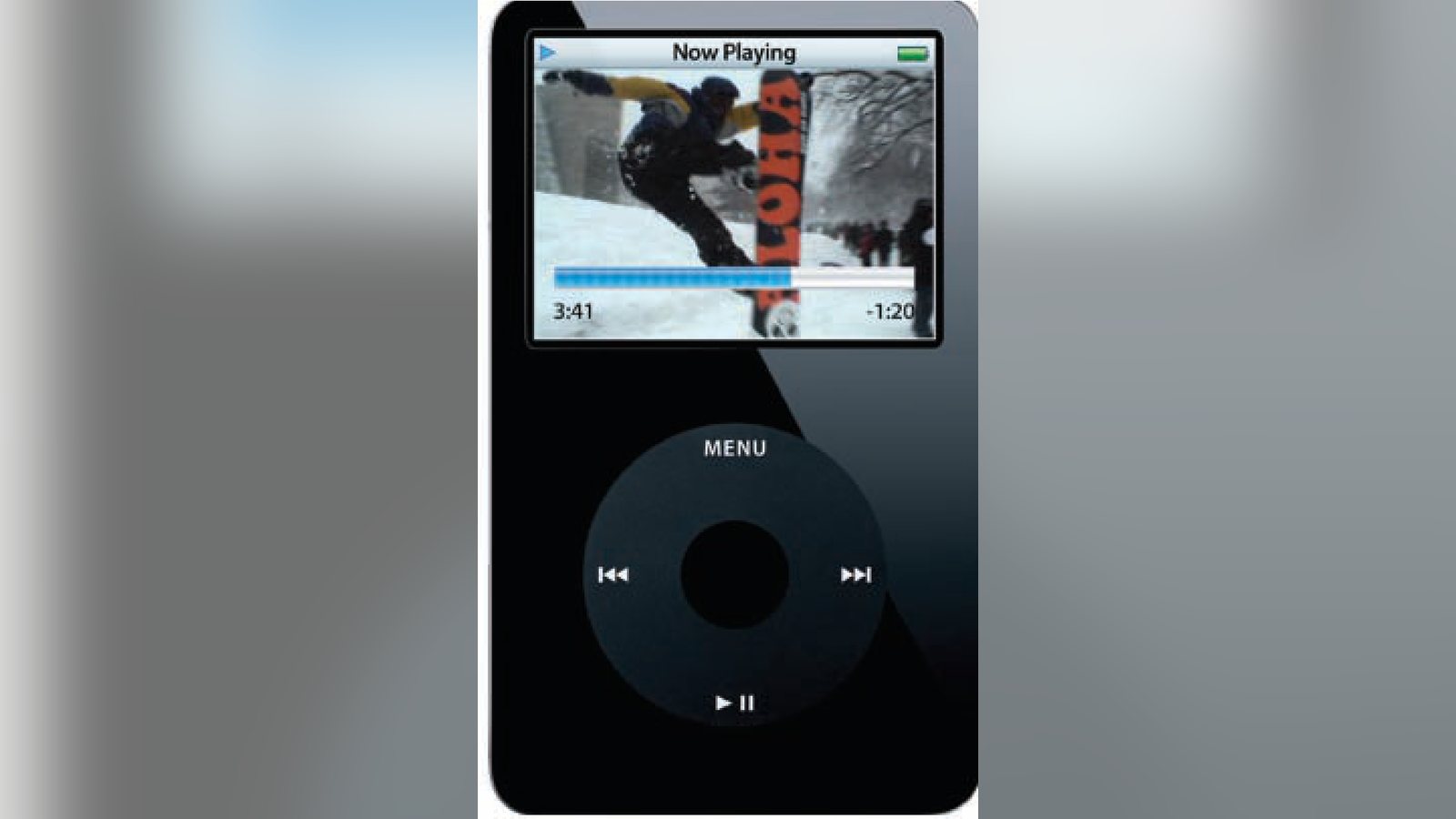
We should start with a definition: A podcast is an audio file, most often .mp3, that is automatically downloaded to a user’s computer via an RSS feed with enclosures. We’ll go more in depth into RSS later. Technically, any file can be downloaded via RSS, but podcasting specifically refers to audio content. A vidcast is a derivative of podcasting, but uses downloaded video files instead of audio files.
Free for members
Sign up free to keep reading
It’s free and takes less than 30 seconds. You’ll also get our Interstellar issue free, and a community of filmmakers sharing their work.
No credit card. Continue with Google or your email.