Meet Olivier Koos, a director of photography based in Luxembourg and a member of the StudentFilmmakers Filmmakers Network. See Olivier’s Network profile to connect.
Filmmakers Networking
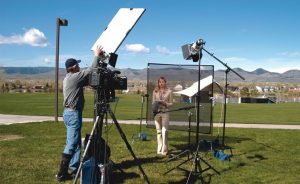
Work: “I am in charge of the camera, light and grip department. My job is to help tell the story with light and camera work and to give the film an overall look and visual style. I have to make many technical and artistic decisions, like what camera, film stock, filters, lenses and lights are to be used. I have to know the screenplay very well to understand every mood in every scene so that I can light it accordingly.”
New Projects: “My latest project was a promo video for Air Rescue Luxembourg. Due to budget constraints and heavy low light situations we shot the entire project on the Canon 5DMk2 and the 7D.
Inspiration: “From many films, paintings, photographs and books. If I am feeling uninspired I might go to a museum or flip a few pages in ‘Storaro: Writing with Light Trilogy.’ Normally after that I cannot wait to work out a visual concept for a film.”
Unique Challenge: “I once shot a documentary in a Palestinian refugee camp and the production did not have authorization to do so. There were several sniper towers around. I am not sure if we were in a dangerous situation or not, but I felt very uncomfortable shooting with a camera [HVX plus Letus lens adapter] that looked a bit like a futuristic bazooka from the distance. I saw horrible things there, and I was happy when we were done.”
Solution for Challenge: “We had to do it quick and dirty!”
Favorite Camera, Tool, or Piece of Gear: “I cannot answer that, there is no single piece of equipment that is right for every situation. On big productions I can have the nicest Panavision equipment, but it is heavy, so you need a lot of manpower. Smaller gear might not give you all the bells and whistles that you want, but you might get the shot done quicker. Working fast but good is important too; you always have to prioritize what gets the job done in the best way.”
Technique: “It might sound simple, but it is important: come prepared! Do floor plans, maybe some sketches that you can show around. Know what the director wants, know your story, know where the scene that you are about to shoot is located in the story and what it is about. Settle first on the framing before going to the lighting. Maybe use a viewfinder if you are not exactly sure what you [or the director] want, still better than having to swap camera position several times. Have a gaffer/key grip that can keep the crew Olivier Koos
Job: Director of Photography Location: Luxembourg networking.studentfilmmakers.com/profile/olik
Related filmmaking guides
Keep learning filmmaking
Want more lessons like this? Join StudentFilmmakers free for live webinars with working pros, and stream on-demand filmmaking classes in cinematography, directing, screenwriting, sound and post.