I received an e-mail query from a University of Colorado cinema student approaching his first interior shoot with 16mm Kodak Vision 500T raw stock. His central question was how to expose the film using studio lighting, in this case a kit limited to three open faced quartz lights. Although he had prior experience as a still photographer, and had accomplished 16mm exteriors as part of his class work at Boulder, the prospect of shooting film inside was a matter of some concern.
A Question from a Young Cameraman
This earnest note, from an enthusiastic but uncertain young cameraman, caused me to reflect on how the subject of exposure is almost impossible to consider on its own, since it is only one part of the process that renders a photographic image. There are so many other crucial choices to be made, not the least of which govern the use of light. Obviously composition plays an enormous role as well.
Digital Filmmakers and Film
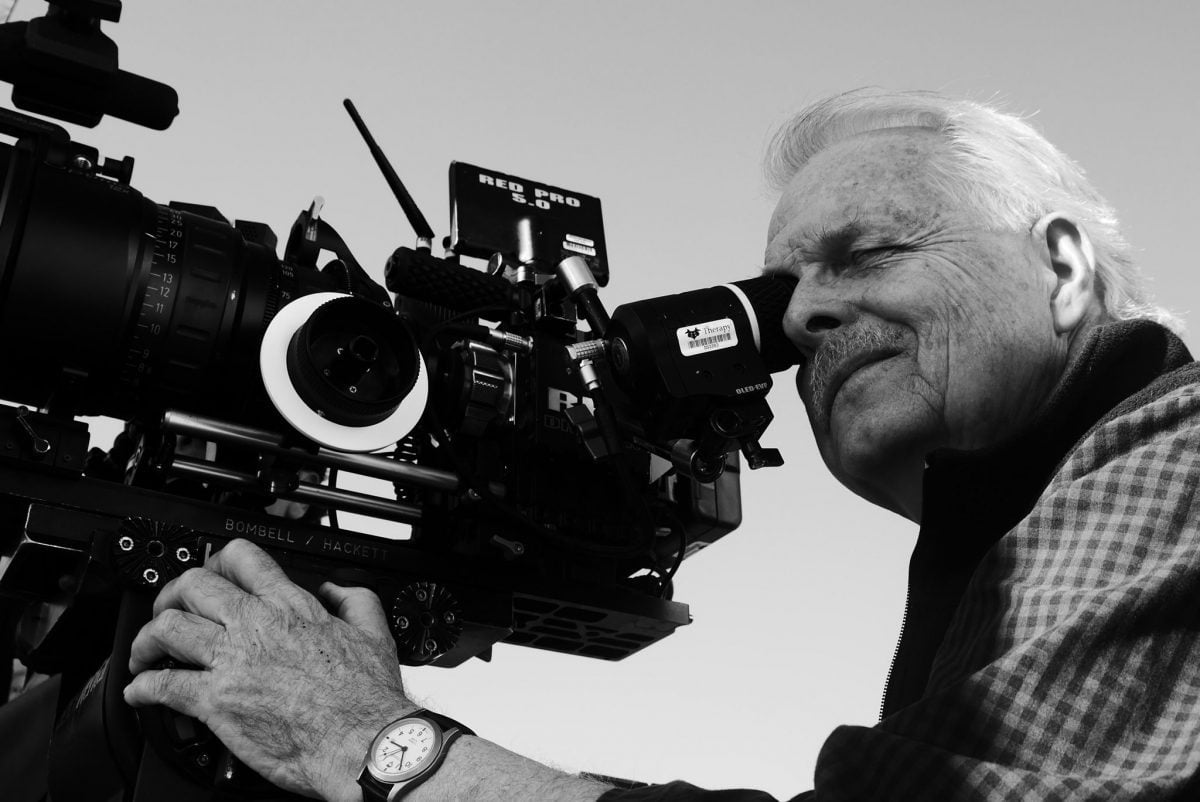
One can sympathize with a generation of digital filmmakers approaching their first encounter with motion picture film. The contrast in equipment is in itself shocking. From a camera that has a menu more sophisticated than a Trident nuclear sub, including a vast array of automatic features, they must transition to a rather straightforward piece of machinery that is little changed in a hundred years of extremely gradual evolution. Festooned as it might be with circuit boards, video monitors, smart lenses, and every conceivable asset to the craft of focus pulling, within the motion picture camera are fundamentally the same works that have transported emulsion through the gate for more than a century. For those accustomed to the user-friendly world of a Mini-DV camcorder, the change is sobering. The film camera basically sits there waiting for you to do something.
Free for members
Sign up free to keep reading
It’s free and takes less than 30 seconds. You’ll also get our Interstellar issue free, and a community of filmmakers sharing their work.
No credit card. Continue with Google or your email.