Mastering the Art of Editing: Keep Your Audience Hooked from Start to Finish
Most filmmakers think a tight cut means a thrilling film, but rushed editing often loses your audience’s attention. Your film’s pacing and storytelling hinge on smart editing techniques that keep viewers hooked from the first frame to the last. This post breaks down key film editing moves that boost audience engagement and sharpen your storytelling—so your next project holds eyes where they belong: on the screen. For more tips, check out this link.
Crafting Compelling Film Pacing
Ready to transform your film into a gripping masterpiece? It all starts with pacing. Film pacing is the heart of your story, controlling the rhythm and flow that keeps your audience engaged. Let’s dive into how you can balance tension and release, and maintain momentum in your scenes.
Balancing Tension and Release
Imagine your film as a roller coaster. To keep your audience on the edge of their seat, you need to master the art of tension and release. Start by creating suspenseful moments that build anticipation. A simple way to do this is through strategic cuts. Slow down your edits during intense scenes to allow your audience to soak in the emotion. Then, provide a moment of relief—a brief pause or shift in tone—to give your viewers a chance to breathe before the next big moment. This balance keeps your audience guessing and glued to the screen.
Using music can also amplify this effect. A sudden silence or a change in tempo can signal an emotional shift, enhancing the impact of your storytelling. Remember, the key is variation. Too much tension without release can exhaust your viewers, while too much release can make your film feel flat.
Maintaining Momentum in Scenes
Keeping momentum in your scenes is crucial for sustaining interest. Each cut should have a purpose, driving the story forward. One technique is to use dynamic camera angles that create movement within a scene. This adds visual interest and keeps the energy high.
Consider the length of your shots. Shorter cuts can increase excitement, while longer takes allow for deeper connection with the characters. Mix these elements to create a rhythm that matches the tone of your film. For example, in an action sequence, quick cuts can mimic the adrenaline rush of the scene. In contrast, a dramatic conversation might benefit from lingering shots that capture subtle expressions and nuances.
By controlling the speed and direction of your edits, you can guide your audience through your story with precision. For more insights, check out these best practices for creating engaging video content.
Storytelling Through Editing Techniques
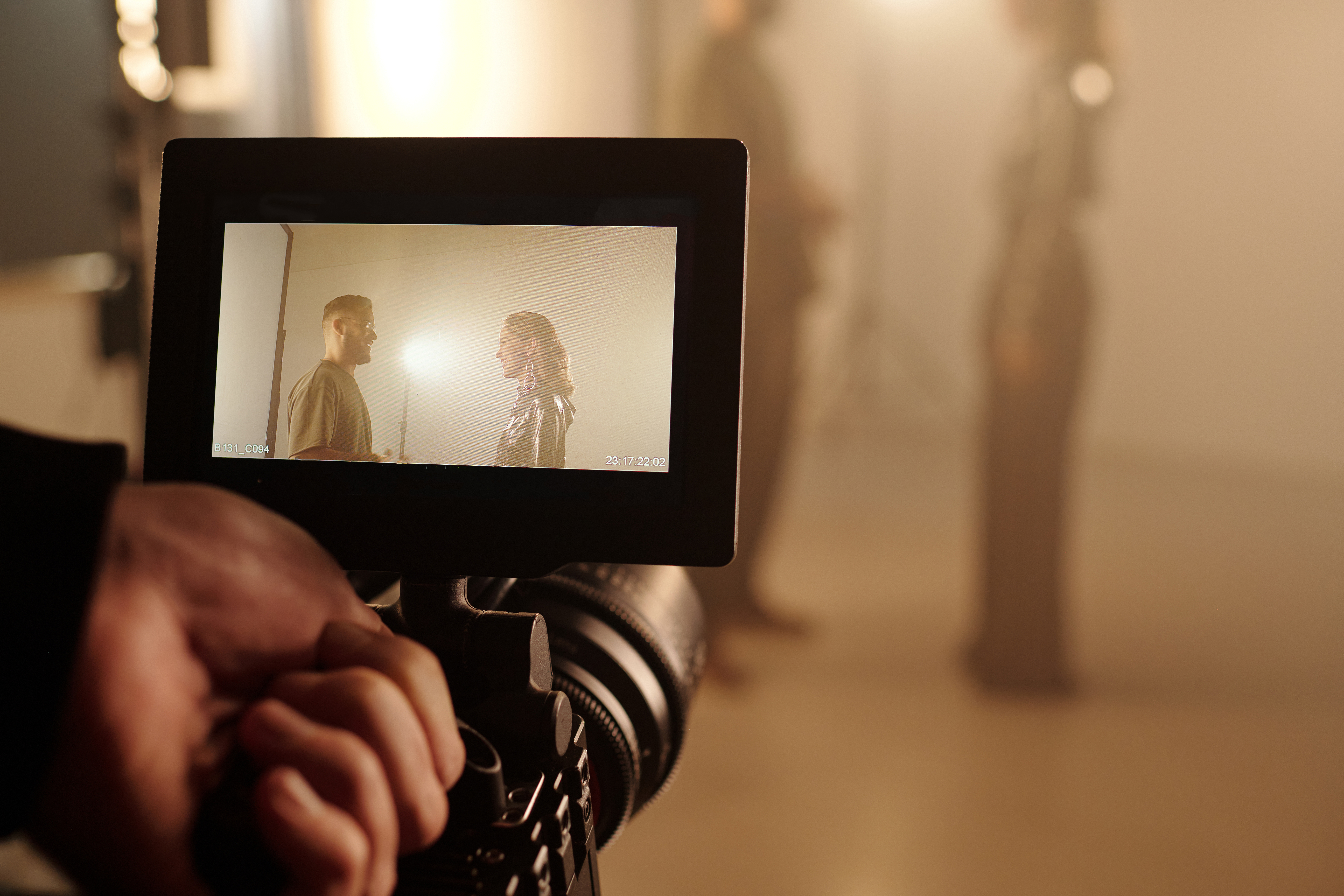
With pacing in hand, it’s time to delve into storytelling through editing. This section will uncover how you can enhance emotional impact and build a cohesive narrative flow that captivates your audience from start to finish.
Enhancing Emotional Impact
Your film’s emotional core rests in your editing choices. To heighten emotional impact, focus on the details. Close-ups are powerful tools. They invite your audience into the character’s personal space, creating an intimate connection. By lingering on a character’s face during an emotional moment, you allow viewers to experience the raw emotion alongside them.
Color grading also plays a significant role. Warm tones can evoke a sense of comfort, while cooler hues might suggest isolation or melancholy. Use color to subtly influence the mood of your scenes, guiding your audience’s emotional journey.
Another technique is to use sound design strategically. Silence can be as powerful as sound. Removing background noise or music during a pivotal scene can sharpen focus on the dialogue or action, amplifying its emotional weight. For more tips on this, consider reading this guide on video editing tips.
Building Narrative Flow
A strong narrative flow is the backbone of an engaging film. To achieve this, ensure that each scene transitions smoothly into the next. Consider the pacing of your cuts and the progression of your storyline. One effective method is parallel editing, which allows you to weave multiple storylines together, creating a dynamic interplay that enhances the overall narrative.
Think about the sequence of events. Each scene should build upon the previous one, maintaining a logical progression that keeps your audience invested. Use visual motifs or recurring symbols to create continuity and tie your narrative threads together.
Another aspect to consider is the use of montages. These can effectively convey the passage of time or a character’s transformation, providing a condensed storytelling method that keeps your film engaging without losing depth.
Engaging Your Audience from Start to Finish
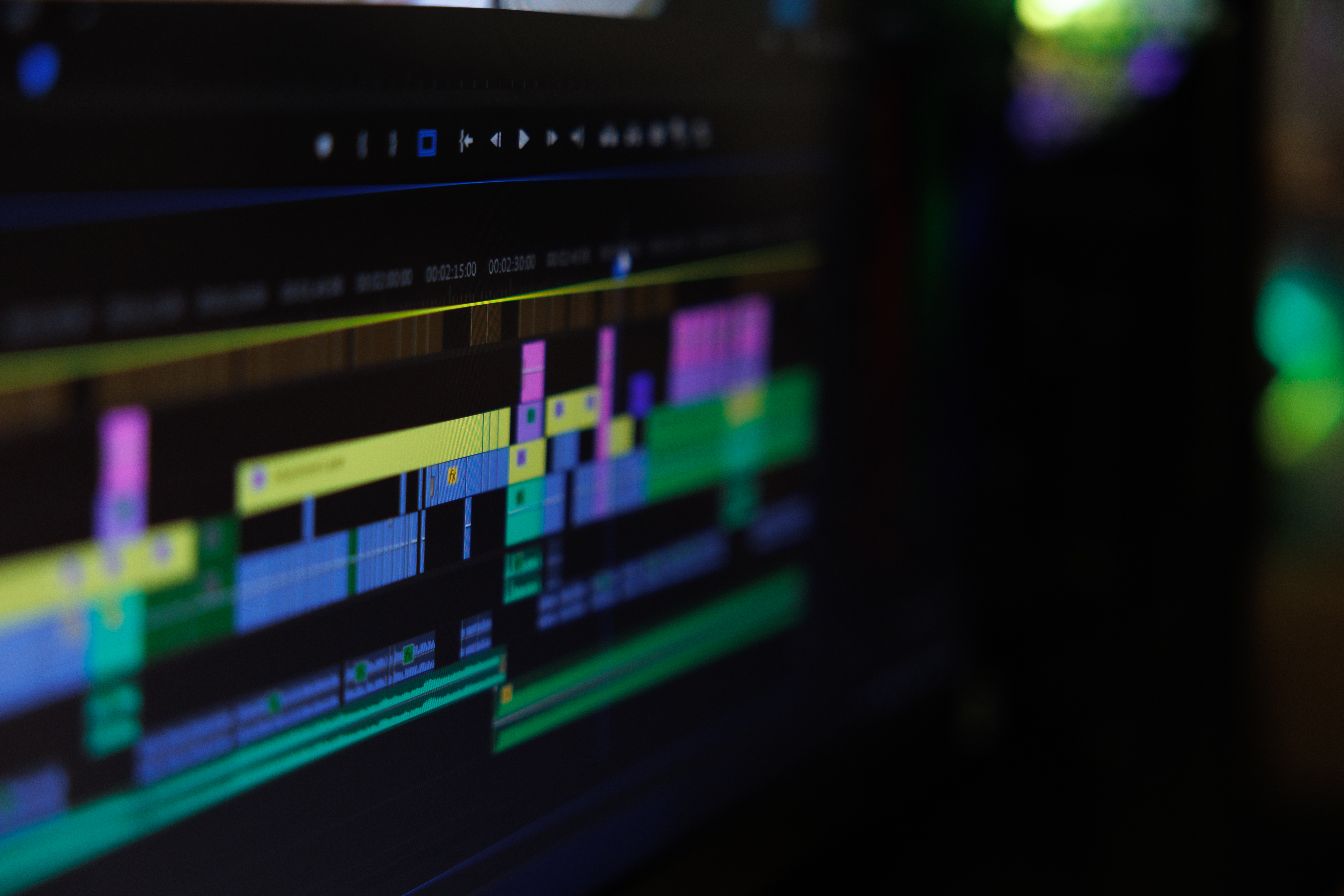
Now that you’ve crafted a well-paced and emotionally resonant film, it’s time to focus on overall engagement. Learn strategies for audience engagement and filmmaking tips that will captivate your viewers and leave them wanting more.
Strategies for Audience Engagement
Engagement is about keeping your audience actively involved in your story. One way to achieve this is by challenging conventional storytelling norms. Introduce unexpected plot twists or character developments that defy expectations, creating intrigue and sparking curiosity.
Interactive elements can also enhance engagement, such as inviting your audience to predict outcomes or pose questions that encourage them to think critically about the storyline. Creating a sense of mystery or leaving some questions unanswered can stimulate discussion and keep your film in viewers’ minds long after the credits roll.
Another strategy is to leverage social proof. Highlighting positive reviews or showcasing scenes that have resonated with other audiences can build anticipation and draw more viewers to your film.
Filmmaking Tips for Captivation 🎬
Captivating your audience is about more than just technical prowess. It’s about creating a connection that resonates. Start by understanding your target audience. What excites them? What stories do they connect with? Tailor your content to meet these interests, ensuring your film speaks directly to your viewers’ experiences and emotions.
Storyboarding is a crucial step in planning captivating scenes. Visualizing each shot helps you organize your thoughts and refine your vision. Remember to leave room for spontaneity, allowing for creative moments that arise during production.
Finally, stay curious and keep learning. The film industry is ever-changing, and staying updated on the latest trends and technologies can provide fresh inspiration for your projects. Engage with communities like NewTubers on Reddit to share experiences and discover new techniques.
By incorporating these strategies, you’ll create films that not only capture attention but also leave a lasting impact. Keep exploring the art of editing, and you’ll see your audience engagement soar.