Unlocking the Secrets: The Psychology Behind Powerful Film Narratives
Most filmmakers focus on flashy visuals but miss one key ingredient: the psychology behind a film narrative. When you tap into how audiences think and feel, your storytelling gains real emotional impact. In this post, you’ll learn how to apply proven film techniques—like character development and narrative structure—that keep viewers hooked from start to finish.
The Psychology of Film Narrative
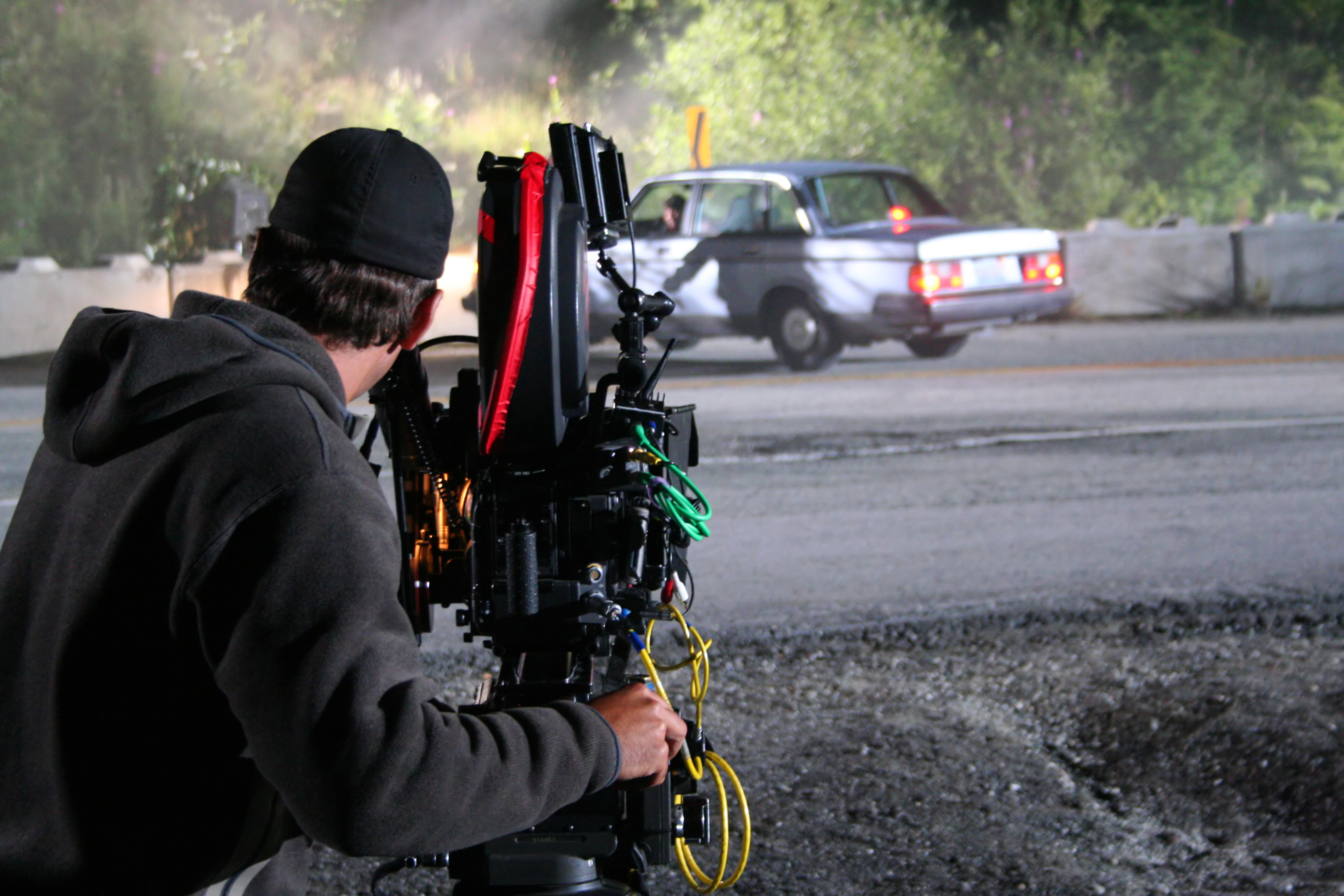
Understanding the psychology behind storytelling can elevate your film from ordinary to extraordinary. Let’s dive into how emotional connection and character depth keep audiences glued to their seats.
Crafting Emotional Impact
To make a film truly unforgettable, it needs to resonate emotionally. Start by asking yourself, “What do I want the audience to feel?” This will guide your choices in scenes, music, and dialogue. When you create scenes that evoke real feelings, viewers remember. Think about movies that made you cry or laugh out loud. They did so by tapping into universal emotions like love, fear, and joy.
Consider how Pixar films often pull at our heartstrings. Up starts with a silent montage that quickly establishes an emotional connection. People relate because the emotions feel real and raw. Aim for similar authenticity in your work. You’ll need to understand not just what happens, but how it impacts the characters. This empathy will translate to your audience, giving them a reason to care.
Understanding Character Development
Characters are the heart of any story. When they are well-developed, they can carry a film to success. Start with a clear backstory. Who are they? What are their desires and fears? This knowledge will shape their actions and reactions in your film.
Dynamic characters can change over time. Think of Walter White in Breaking Bad. His transformation from a mild-mannered teacher to a drug kingpin kept audiences hooked. Your characters don’t need to be heroes or villains, but they must be relatable. Give them strengths and flaws to make them believable. By creating multi-dimensional characters, you invite viewers to see parts of themselves in them.
Key Film Techniques for Powerful Storytelling
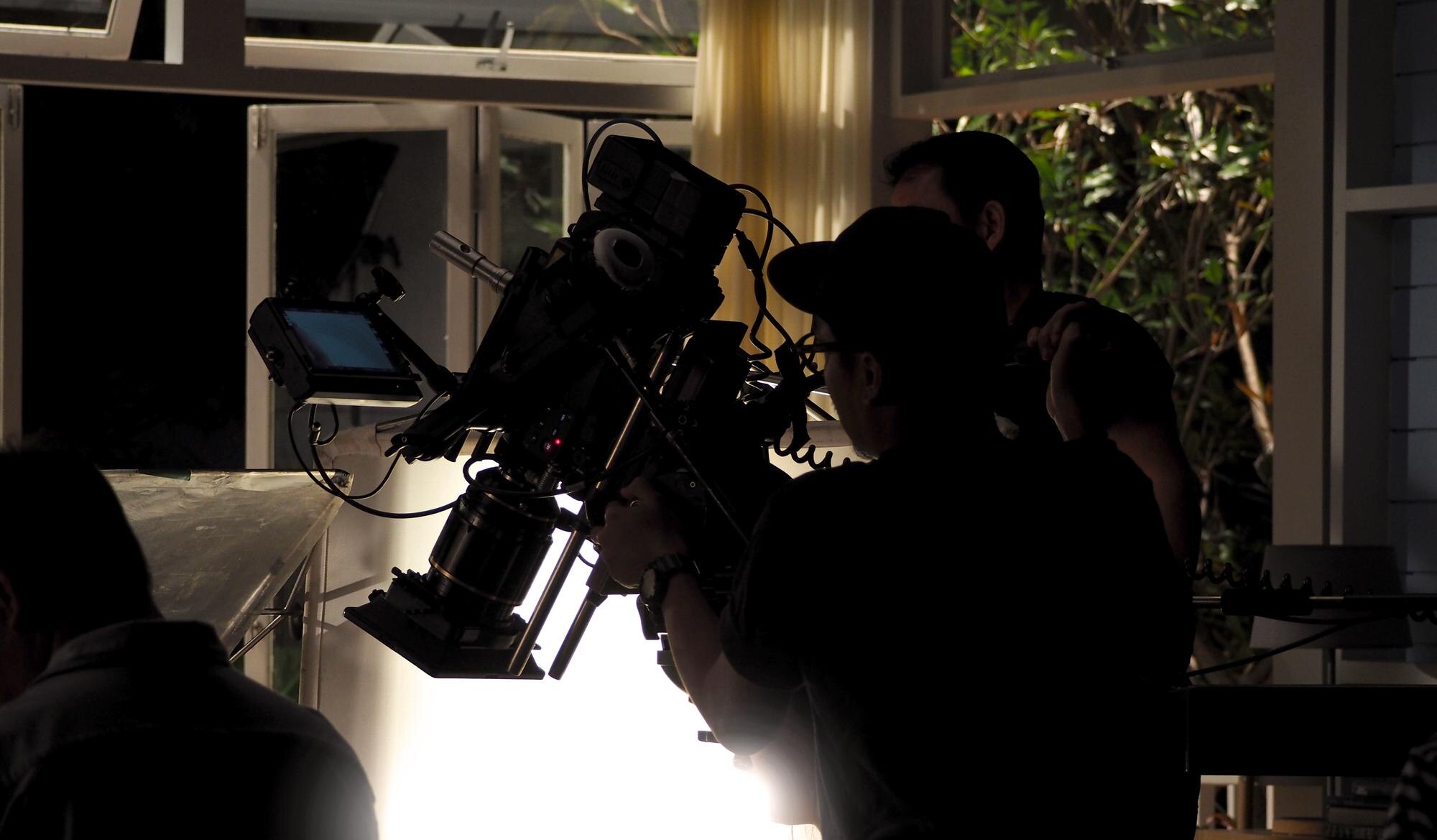
Now that we’ve touched on emotional connections and character depth, let’s move to the techniques that bring these elements to life. Understanding narrative structures and visual tools is crucial.
The Role of Narrative Structure
A compelling story requires a solid structure. Viewers expect a beginning, middle, and end, but how you fill these sections matters most. Start strong with a hook that grabs attention. The middle should build tension, layering complexity and conflict. Finally, the resolution should feel satisfying, tying up loose ends or leaving room for thought.
Many filmmakers use the three-act structure, but don’t be afraid to experiment. Pulp Fiction broke traditional rules with its non-linear approach, yet it’s a classic. Why? Because the narrative, though fragmented, remains cohesive and engaging. This shows that while structure guides you, creativity brings it to life.
Visual and Audio Storytelling Tools
Visual and audio elements can make or break a film. They work together to set the tone and mood. Consider lighting: it can create a sense of warmth or danger. Colors can signify emotions—red for anger, blue for calmness. Use camera angles to influence perception. A low angle can make a character seem powerful, while a high angle might convey vulnerability.
Soundtracks are equally important. Think of how Jaws used music to build suspense. Even silence can be powerful, allowing a moment to breathe. Foley sounds add realism, making the world of your film feel tangible. The blend of these tools helps convey the story beyond words.
Filmmaking Tips for Aspiring Creators

Equipped with an understanding of psychology, emotional impact, and technical tools, let’s explore practical tips to improve your filmmaking.
Applying Psychological Insights
Psychological insights can make your films resonate deeply. Start by studying real people. Observe their interactions and reactions. This will help you create realistic characters and scenarios. Use these observations to hone your scripts and scenes, ensuring they reflect genuine human behavior.
Pay attention to pacing. A fast-paced story can create excitement, but too much speed may overwhelm viewers. Balance intense scenes with moments of calm, giving audiences time to process emotions. This ebb and flow keeps engagement high throughout your film.
Building Engaging and Memorable Stories
To craft stories that stick, focus on originality. Find your unique voice. Avoid clichés and strive for fresh perspectives. If you surprise the audience, they will remember your work. Experiment with different genres or blend them. A romantic comedy could have elements of a thriller, adding layers to your narrative.
Feedback is crucial. Share your drafts with trusted peers and be open to criticism. Use it to refine your work. Remember, filmmaking is a collaborative art. By incorporating various viewpoints, you can create a richer, more nuanced story.
Finally, keep learning and experimenting. The film industry evolves, and so should you. The more you practice and adapt, the more skilled you will become. Keep pushing boundaries, and your stories will captivate audiences time and again.