Mastering the Basics: A Comprehensive Guide to Beginner Cinematography Techniques
Most beginner cinematography guides toss you a jumble of terms without showing how to create real, captivating visuals. You want more than just theory—you want clear film techniques that help your story come alive on screen. This guide breaks down camera angles, shot composition, and lighting basics into simple steps you can practice right now to sharpen your storytelling with visuals. For more insights, take a look at this comprehensive guide.
Understanding Camera Angles
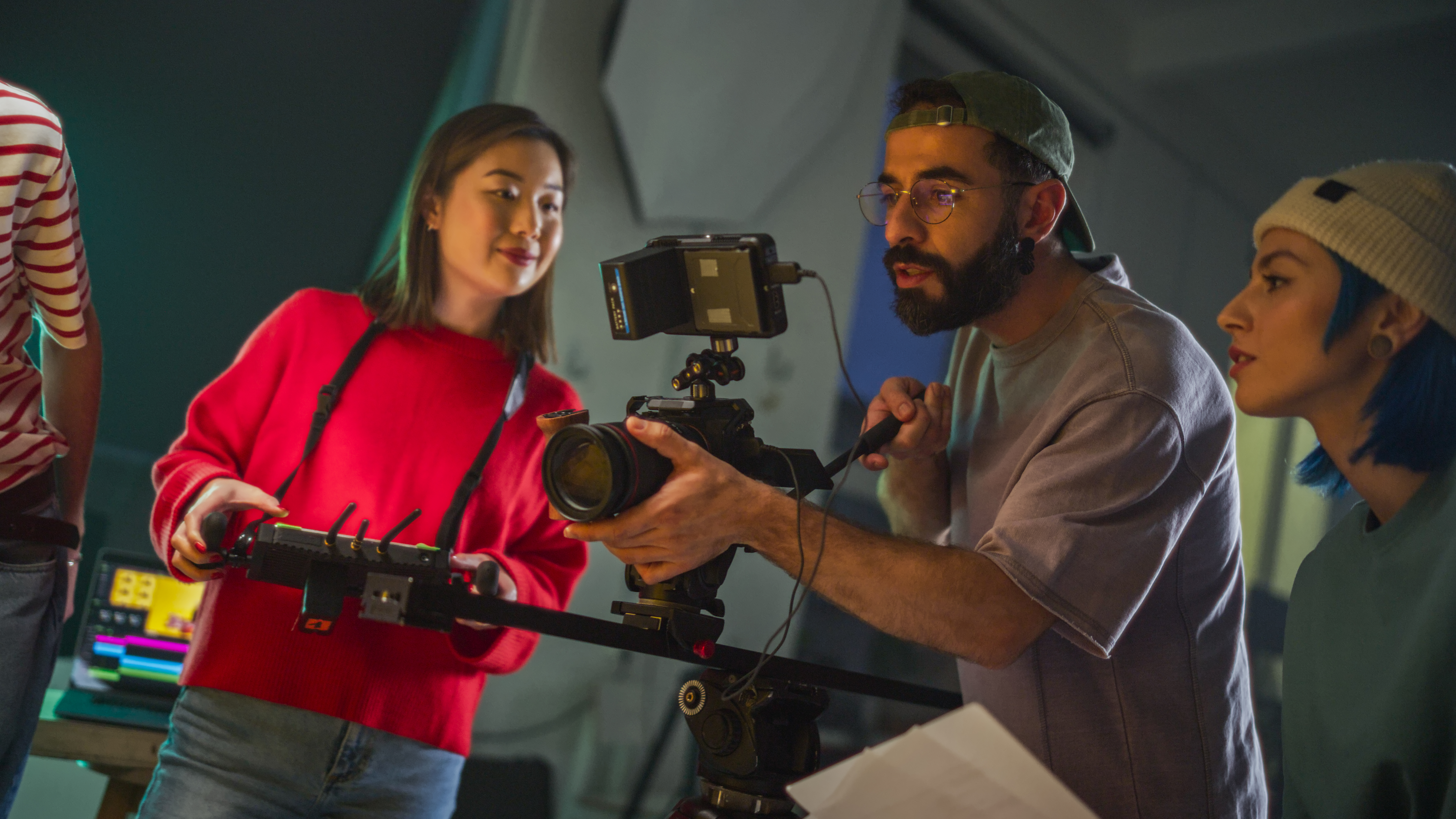
Camera angles are the building blocks of visual storytelling. The right angle can change how your audience feels about a scene or character.
Essential Camera Angles for Beginners
Let’s dive into the key camera angles you need to know. Close-ups are perfect for capturing emotions, drawing viewers closer to your characters. They make your audience feel the intensity of a moment. Wide shots, on the other hand, set the scene, offering a sense of place and scope. They are your go-to for introducing settings or large-scale action.
Medium shots are the sweet spot, balancing focus between characters and the environment. These are often used for dialogue scenes, providing enough context without losing intimacy. Lastly, high angles can make a subject appear vulnerable, while low angles suggest power or dominance. Practicing these angles can transform your storytelling. For a deeper understanding, check out this beginner’s guide.
Choosing the Right Angle for Storytelling 🎥
Picking the right angle is crucial for your narrative. Imagine a scene where a hero faces a challenge. A low angle shot can emphasize their courage, while a high angle might highlight the odds against them. This choice can shift the emotional impact of your story.
Think about what you want your audience to feel. Do you aim to create tension or intimacy? Using a close-up during a pivotal scene can heighten suspense, while a wide shot might allow the audience to breathe, taking in the broader picture. Remember, most people think camera angles are secondary, but they are a storyteller’s secret weapon.
Mastering Shot Composition
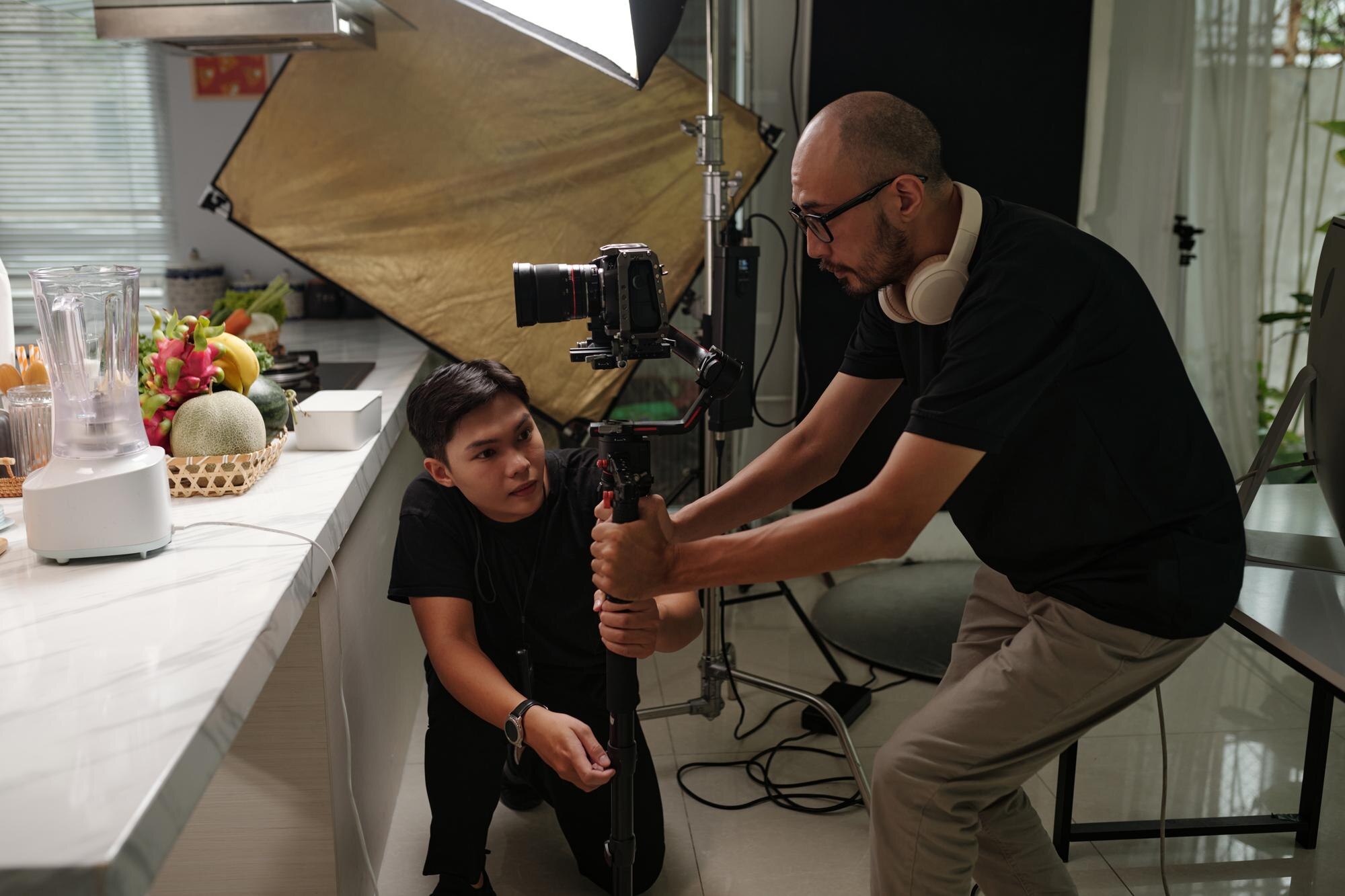
Once you’ve got angles down, it’s time to refine how you fill your frame. Composition is all about guiding the viewer’s eye and focusing attention where you want it.
Rule of Thirds and Framing Basics
The Rule of Thirds is a simple technique to make your shots more engaging. Imagine your frame divided into nine equal parts by two horizontal and two vertical lines. Placing your subject along these lines, or at their intersections, creates balance and interest.
Consider a scene in a bustling city. By placing your character at one of these intersections, you allow the environment to fill the frame, providing context without overshadowing your subject. This technique helps keep viewers’ attention on what matters. For detailed tutorials, explore more composition tips.
Balancing Elements in the Frame 📸
Balance is key in composition. A well-balanced frame feels stable and pleasing. You can achieve this by thinking about symmetry or asymmetry. Symmetrical compositions suggest order, while asymmetrical ones can introduce tension or dynamism.
In a scene with two characters, placing them at equal distances from the frame’s center can suggest harmony. Conversely, positioning one character closer can imply conflict or dominance. Understanding these subtle cues can significantly enhance your storytelling. Don’t just take our word for it—see what others are saying on Reddit.
Lighting Basics for Cinematography
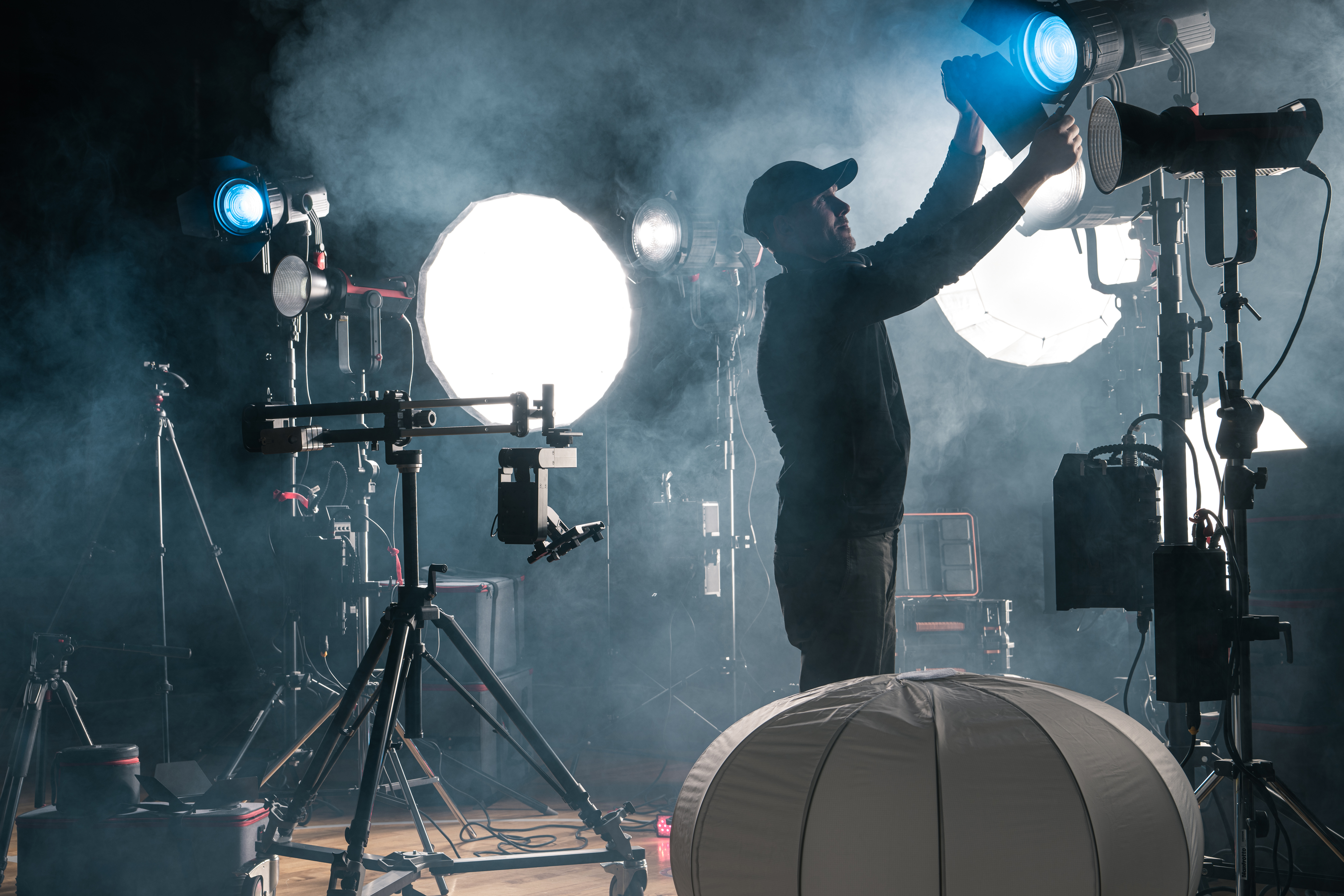
With angles and composition in your toolkit, lighting becomes your next focus. Lighting is vital as it can transform a scene’s mood and tone.
Key Lighting Techniques for New Filmmakers
Lighting can make or break your cinematic vision. Three-point lighting is a straightforward method to get started. This involves a key light to illuminate your subject, a fill light to reduce shadows, and a back light to separate the subject from the background. This setup is versatile, providing depth and dimension.
For instance, think of a dramatic scene. Using a key light from the side can cast shadows, adding mystery and depth. Experimenting with different positions can yield surprising results, so don’t hesitate to tweak and adjust. Learn more about lighting techniques.
Creating Mood with Lighting 💡
Lighting is not just about visibility—it’s about mood. Want to evoke warmth? Try using warm, soft lighting. For something more intense, cool or harsh lighting can set the tone for suspense.
Imagine a cozy evening scene. Dimming the lights and using a soft amber glow can create a feeling of relaxation and intimacy. Conversely, sharp contrasts and cold tones can heighten tension in a thriller. Remember, the longer you wait to experiment, the more opportunities you miss to captivate your audience. By mastering lighting, you can guide emotions and enhance your film’s impact.
By incorporating these foundational techniques, you’re on your way to crafting visually compelling stories. Remember, every choice you make—from angles to lighting—shapes your narrative, drawing viewers deeper into your cinematic world. Keep practicing, and let your creativity shine through.