 StudentFilmmakers Magazine: What changes in HD have you seen over the years?
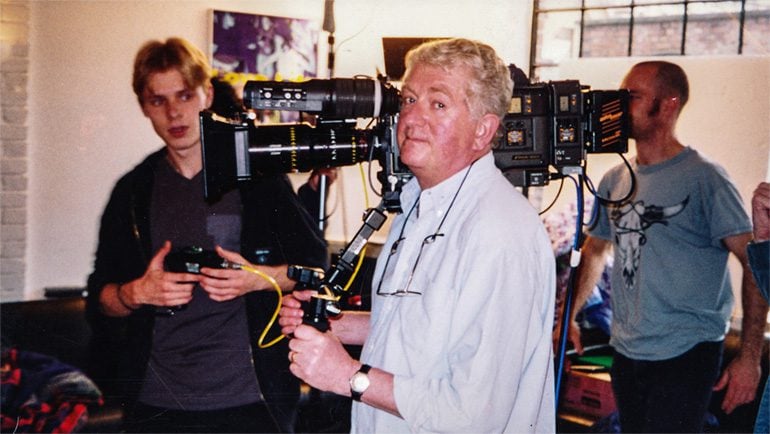
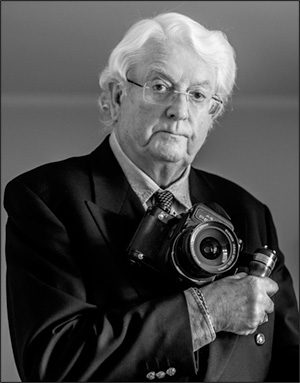
Paul Wheeler, BSC: The most significant change was two that came more or less simultaneously. When solid state storage came in replacing tape and the three-chip configuration was replaced by single chip sensors. The larger single chip sensors enabled a whole raft of conventional motion picture lenses to be used and encouraged established lens makers to build lens sets especially for HD.
Higher and higher pixel counts, and larger and larger chips have been fascinating developments to watch.
What was one of the most challenging things you learnt on set?
Paul Wheeler, BSC: To trust my eyes and the monitor. Suddenly we were not using exposure meters and ringing the laboratory at 7:30am in the morning to see if yesterday’s “snaps” had come out as expected. We were lighting and composing in “real time”. Some DoP’s found this difficult to get used to especially as the Director could criticise the image on the monitor, it took away the mystique. I found it exhilarating, more like painting where you load your brush and make a mark immediately. This is the main reason I took to HD very happily and quickly.
Free for members
Sign up free to keep reading
It’s free and takes less than 30 seconds. You’ll also get our Interstellar issue free, free webinars with award-winning filmmakers, and a community of filmmakers sharing their work.
No credit card. Continue with Google or your email.