By Daniel Gaucher
Behind every production lies a whole intriguing world of personalities, power struggles and problem solving that make up the day-to-day workflow of broadcast television. When you look at a show like the cult-hit Blind Date, you may think a production structure was in effect by day one. How far from the truth! Due to the nature of selling and subsequently making television, production schedules are often rushed. “Who do you know? Are they available next week?” Yes, it’s true. Television people are horrible planners, and often a production grows rather organically, making adjustments as the show rolls along. Word of mouth hires do happen quite frequently. Keep your friends close.
Getting Hired on Blind Date
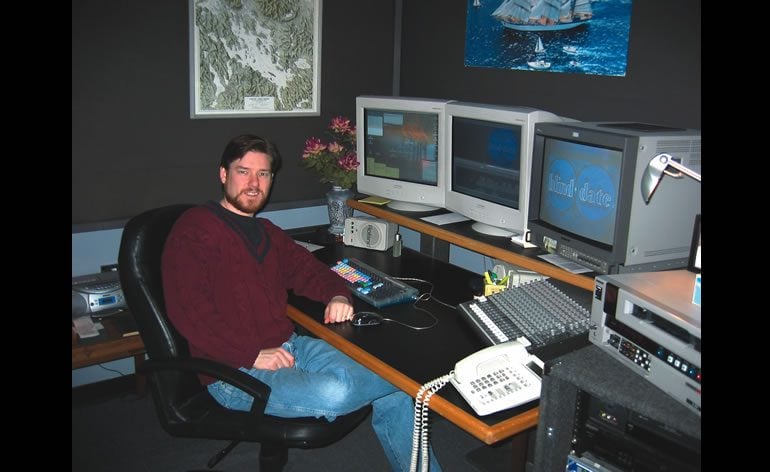
While I was living in Los Angeles, I was hired to edit Blind Date episode number three. Earlier I had been to a lunch meeting with my wife, who worked for Warner Bros., and a friend of hers from the WB law department. He happened to have a cousin who was going to be an executive producer of some new reality show. “Do you want me to pass your name on?” he asked. Sure, it sounded like fun.
Two weeks later there was myself and one other editor sitting in some cramped and sweaty offices in a Hollywood building. Across the hall was a methadone clinic. The show was top-heavy with four executive producers, a casting department, a video crew and a few producers and some Gaucherassistant producers. Post-production had two editors, two graphics artists and a copy of Art Explosion Clip Art for about $59.95. We were shown the pilot episode and told to emulate the style going forward. The workflow was this:
Free for members
Sign up free to keep reading
It’s free and takes less than 30 seconds. You’ll also get our Interstellar issue free, and a community of filmmakers sharing their work.
No credit card. Continue with Google or your email.