By John Hart
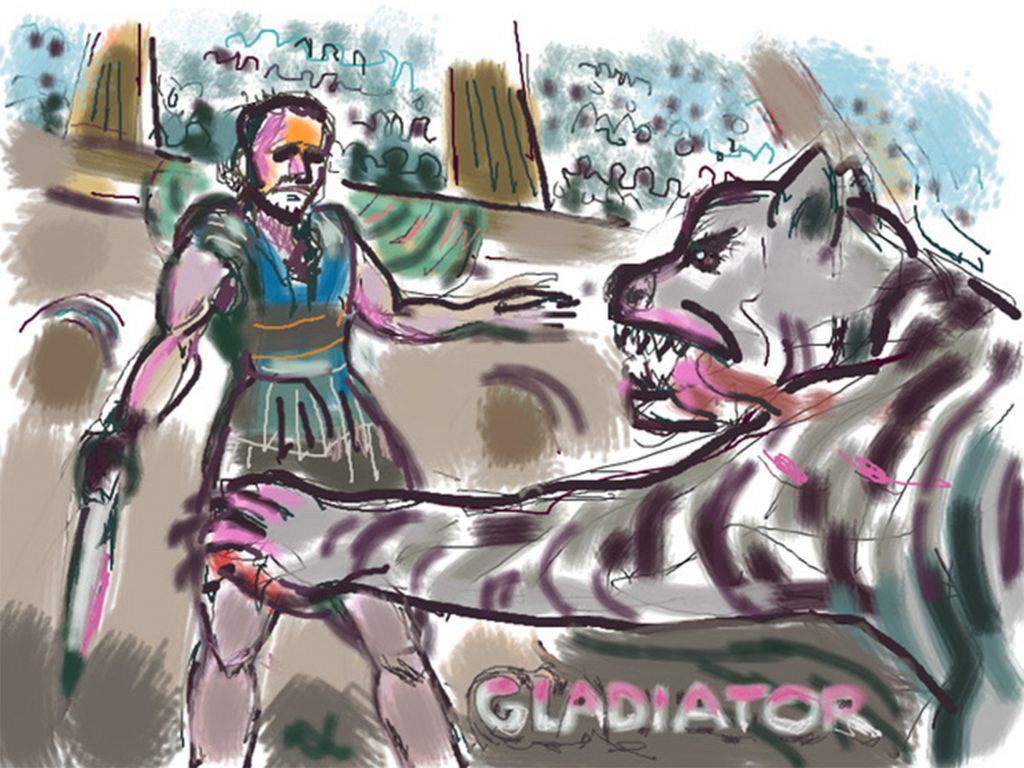
Just ask any frontline director these days – like Spielberg, Scorsese, or Cameron, “Do you use storyboards for your films?” And the resounding answer would be, yes!
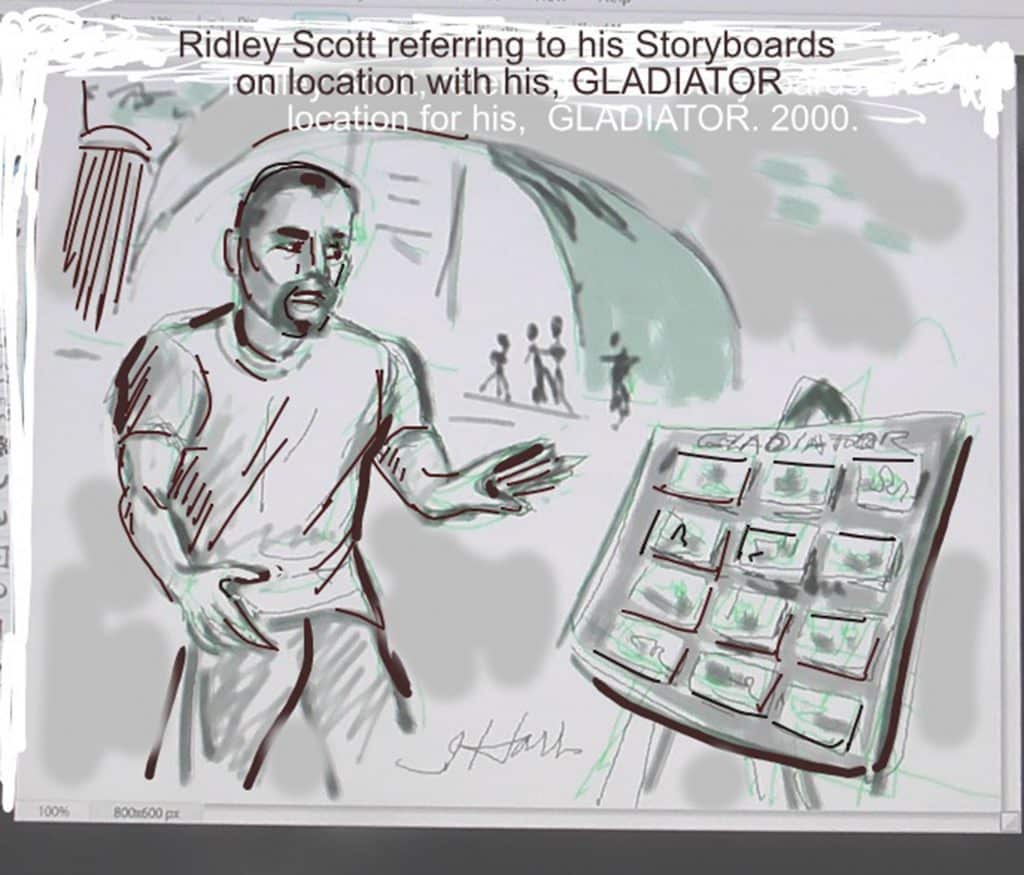
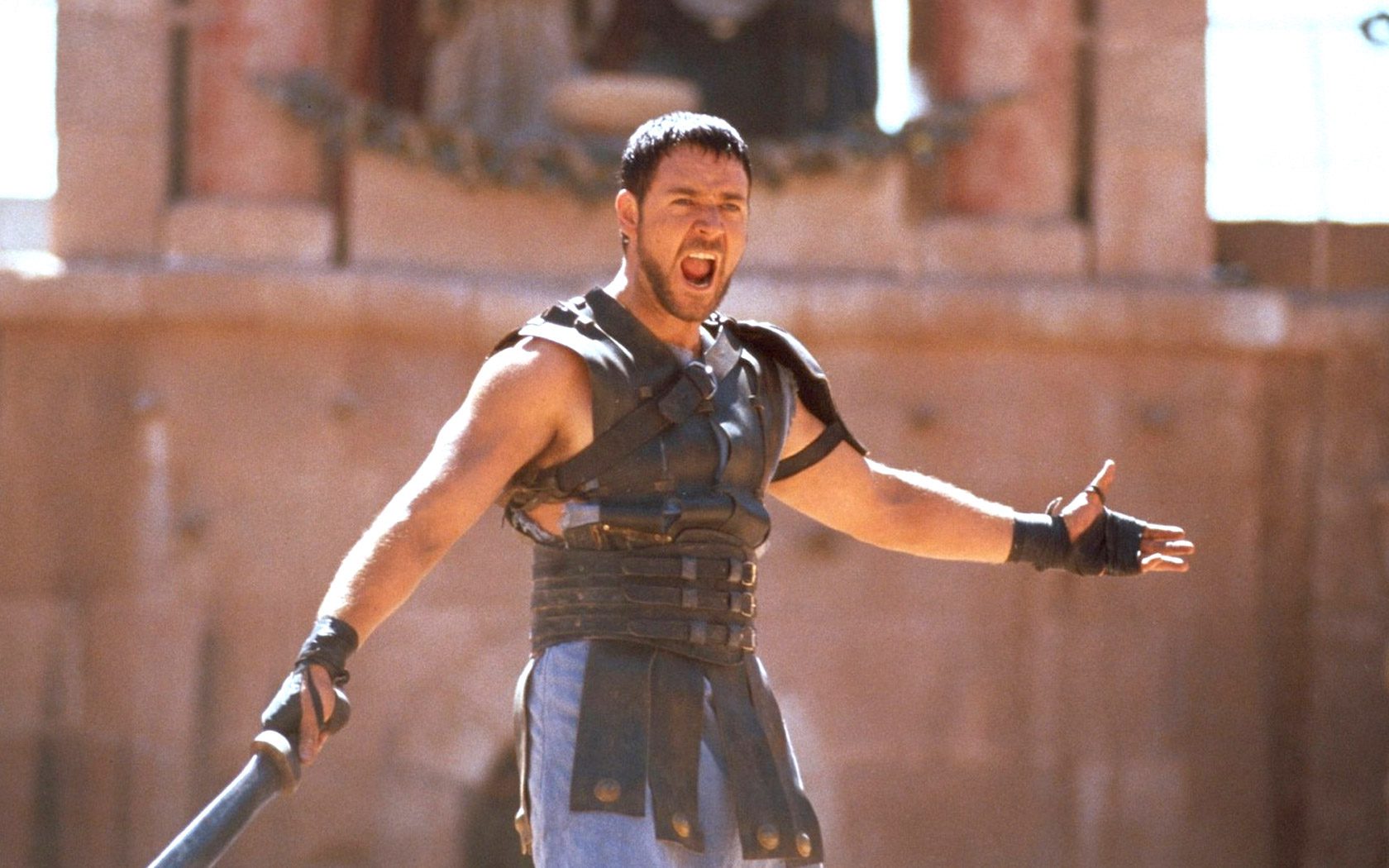
Ridley Scott, who directed Russel Crowe in the mega hit, “Gladiator” ( 2000), drew his own storyboards.
Even Tony Bill who received the Academy Award for, “The Sting”, starring Paul Newman and Robert (Sundance) Redford, told me that he had learned a lot after reading my, “The Art of the Storyboard”.
Pre-viz for the Digital Age: Especially now in today’s film market, where new, high-end blockbuster films, like maybe, “Captain America Vs. Superman,” whose budget could reach like 2000 mil – there can be no guess work on each day’s shooting schedule – especially when pre-production (pre-viz), and CGI work in post-production will take up most of the film’s budget.
When today’s director arrives on the set, virtual reality or otherwise, he or she does not have the luxury of musing about what to do next. Especially with higher productions costs (extra millions) staring them in the face. Star salaries included!
Best case scenario, the director arrives on the set, fully prepared with his storyboards to consult. What a security symbol!
Federico Fellini got away with it at Cinecitta in Rome for his films like, “La Dolce Vita”. But then again, Fellini did start out as an artist/cartoonist, and how many Fellini’s have there been? De Sica and Antonioni maybe.
You, as a future director, will arrive on your set – after approving the script, the production design, and the lighting designed by your cinematographer – ready to block the actors for best interpreting the script’s narrative action. Obviously, this involvement has to be a team effort!
So, make sketches with your storyboard artist so you know exactly what the camera set-ups will be. We use the French term, mis-en-scene, to describe the actor’s movement within the set/spaces selected for the ACTION.
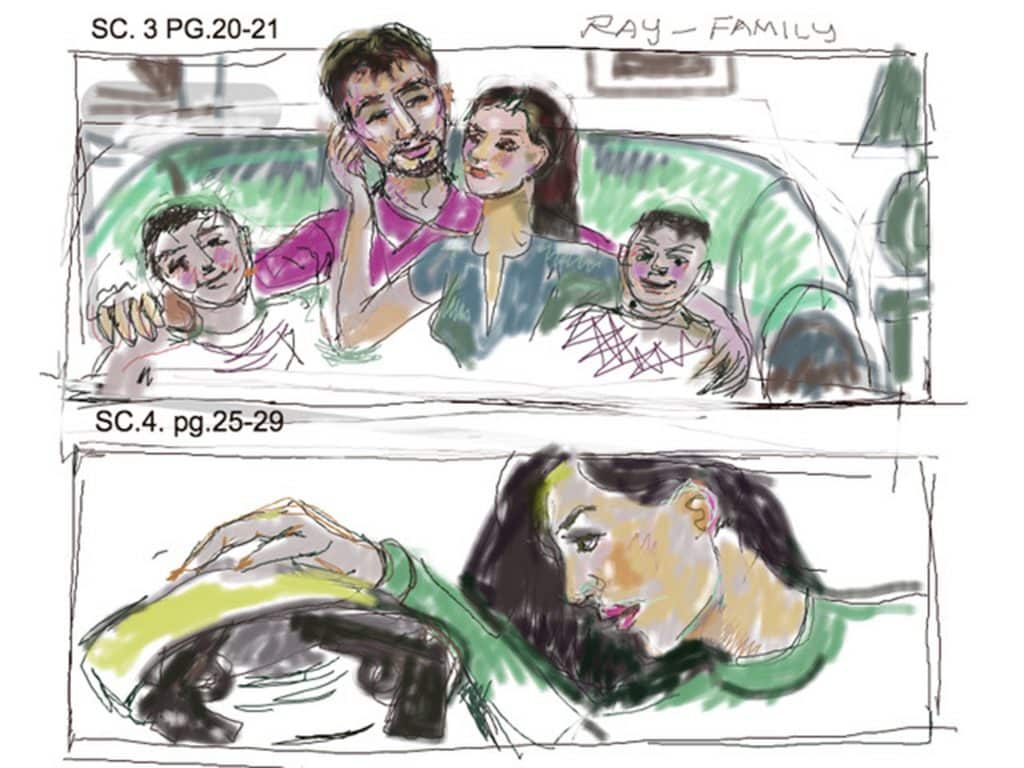
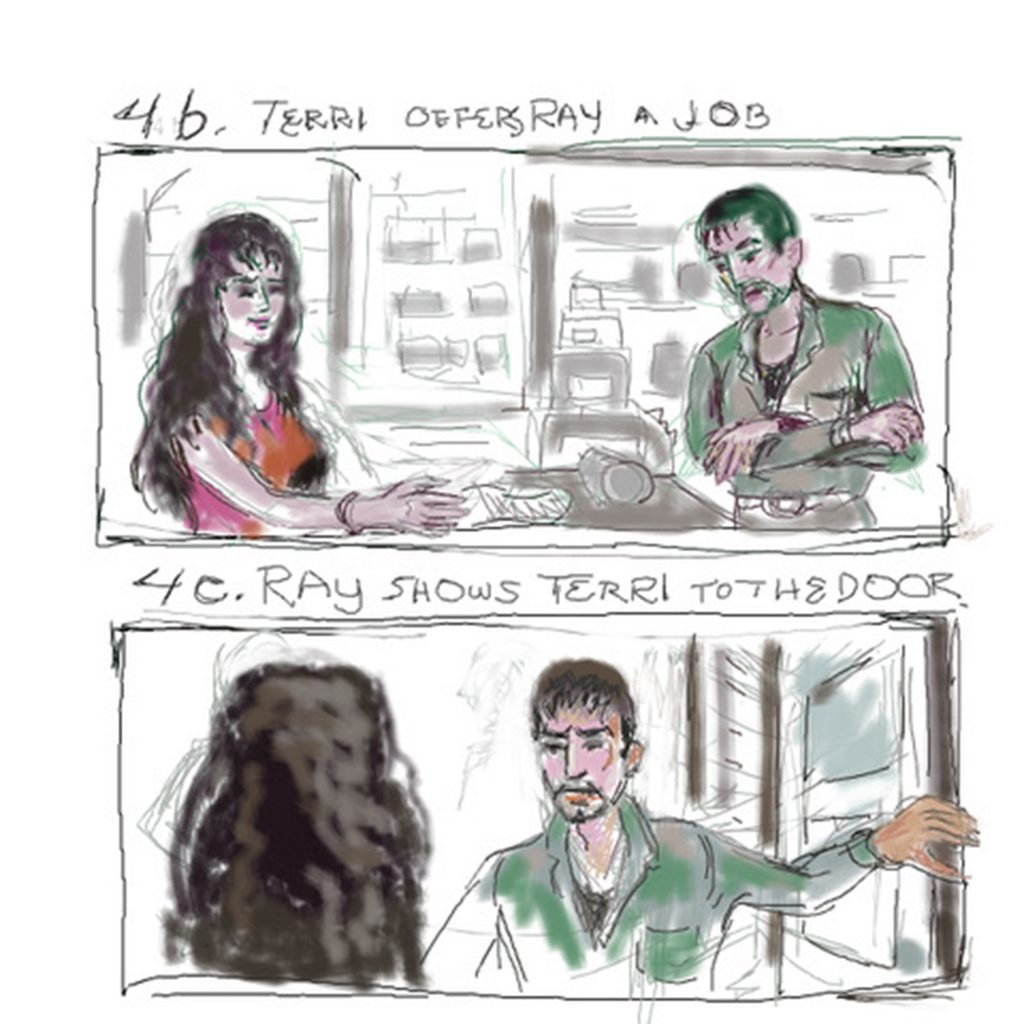
All of the above should include the clarion call for storyboards, to visualize media needs such as Video Games, Cartoons, Commercials, and other motion picture and content creation.
As an actor I remember auditioning for commercials at some of New York’s biggest ad agencies. When you got to the waiting room, before going in to face the casting directors, there were storyboards on the wall, illustrating the action in the commercial – with the copy or dialogue at the base of the film frame. This way, you knew what the action was and what in heck you were supposed to make sense of, product wise.
Even in the classical film canon, Alfred Hitchcock, for one, absolutely insisted on storyboards to be drawn for each and every film frame shot for his productions. Like, “Psycho,” hello?
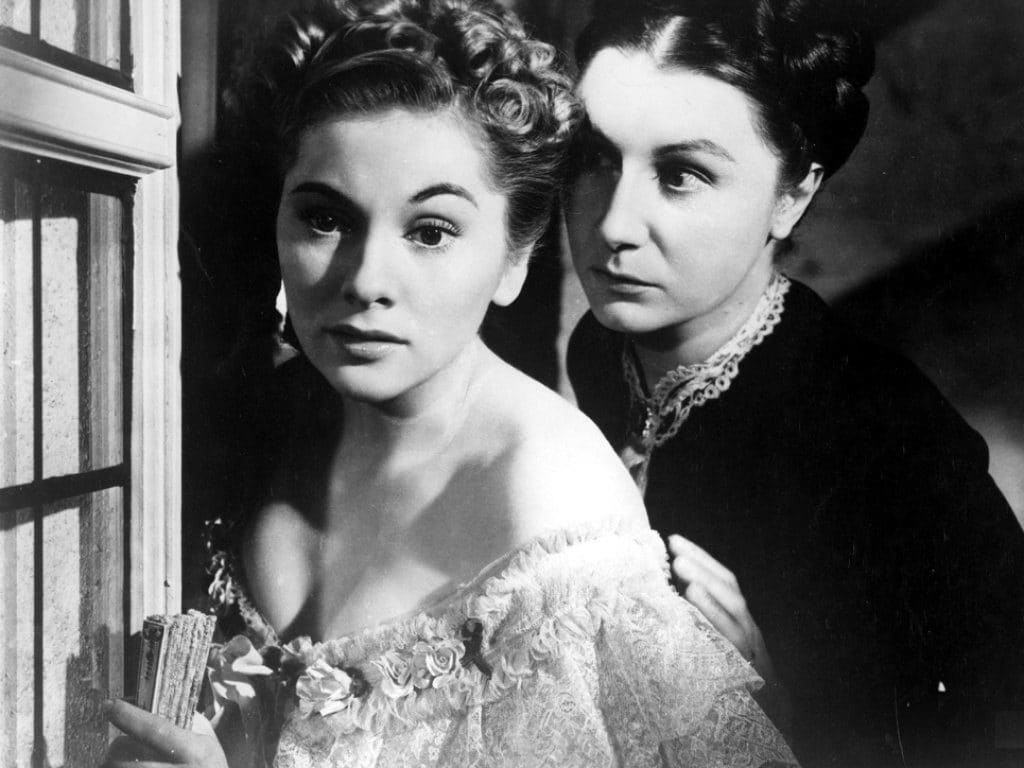
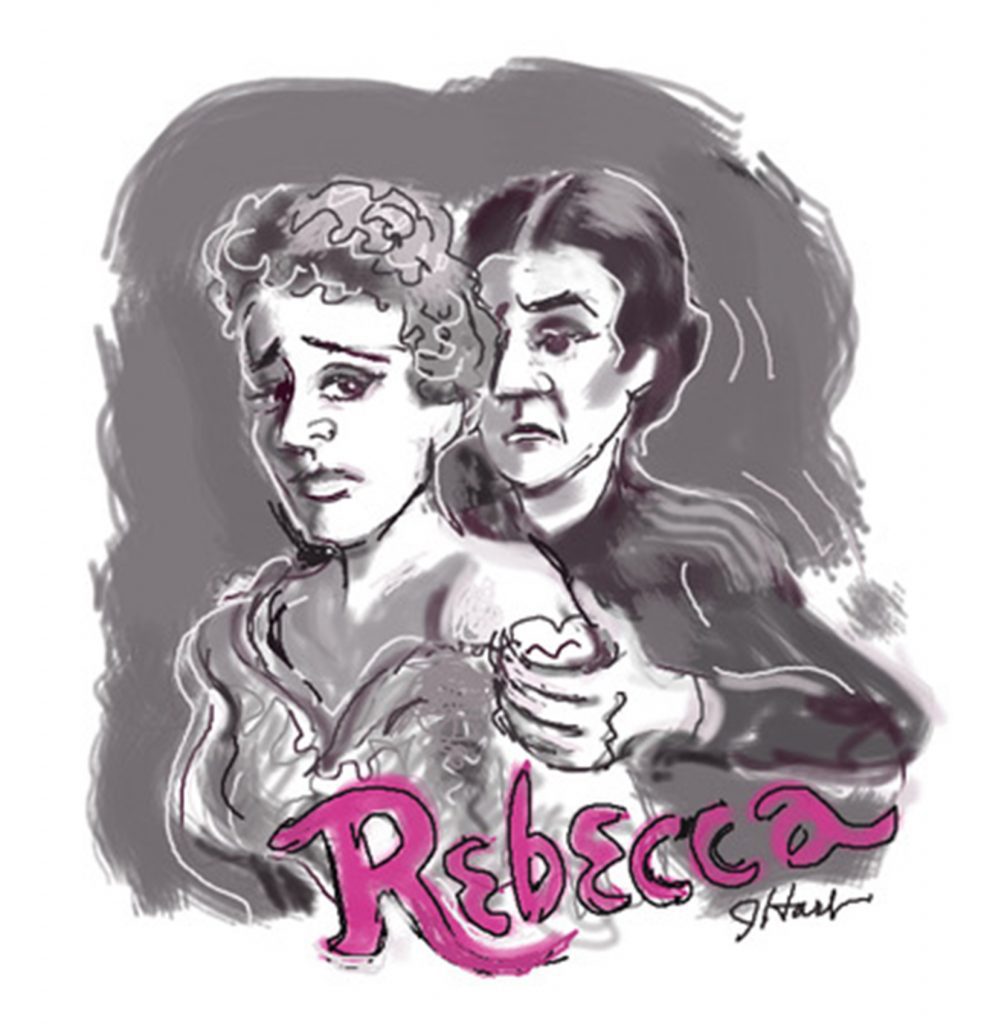
Hitch, having won an Academy Award, for “Rebecca” (’41) , and having received umpteen AA nominations for others, must have been doing something right!
To repeat then, PRE-VIZ is the key word. Pre-planning your shot list, illustrating the actors’ movements within each film frame set-up.
Even when I hear, “I cannot draw!” I counter with, “Then use stick figures!”
If I were allowed a second key word, it would be COOPERATION. In pre-production, there has to be a meeting of the minds.
All departments are involved, and all contribute their talents to the finished product: A hit movie!
In John Hart’s book, “The Art of the Storyboard,” the above techniques and procedures are fully illustrated. Original storyboard sketches by author John Hart. Storyboards for Matt Alexander’s, “Where is the love?” (2018).